
Marrakech Medina Four Directions
Understanding the four directions of Marrakech Medina is one of the best ways to discover the real character of the old city. North, south, east and west each reveal different neighborhoods, traditional souks, historic monuments, artisan workshops and everyday local life. Whether you are visiting Marrakech for the first time or returning to explore beyond the famous streets, this geographical guide will help you understand how the Medina is organized. To explore with a local guide, contact us on WhatsApp or use our booking form. Discover our private Medina walking tour, our Marrakech souk shopping tour and our Moroccan carpet and rug shopping tour. Our guiding is featured in The Rough Guide to Morocco and recommended by Rick Steves.

Understanding the Geography of Marrakech Medina
Marrakech Medina is not a modern city built around straight streets and a regular grid. It developed over many centuries, with different dynasties adding neighborhoods, markets, mosques, palaces, gates and residential quarters.
The result is a historic urban environment made up of winding streets, narrow passageways, traditional squares and interconnected neighborhoods. Some streets are busy commercial avenues, while others are quiet residential lanes known locally as derbs.
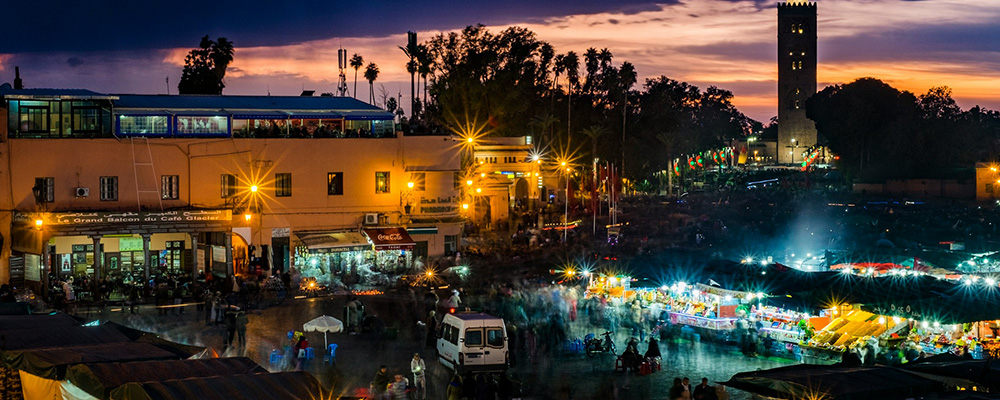
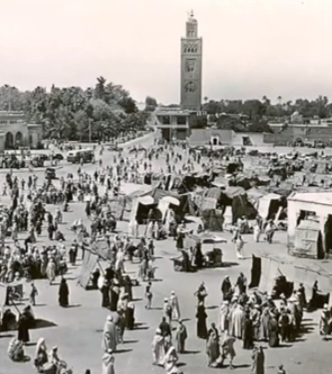
For visitors, the easiest geographical reference point is Jemaa el-Fna, the famous central square. From here, you can understand the general direction of the main historic districts.
The northern side leads towards the old intellectual centre and traditional artisan souks. The southern side contains important palaces, the Mellah and the Kasbah. The eastern side includes working neighborhoods and the traditional leather district. The western side connects the Koutoubia area with Mouassine and other historic quarters.
These are practical geographical descriptions, not strict administrative boundaries. The historic Medina grew organically, and neighborhoods often connect in several directions.
For a wider introduction, read our Marrakech Medina Guide, our complete geographical guide to Marrakech Medina and our guide to the historic quarters of the old city.
1. North Marrakech Medina: The Historic Souks and Artisan Quarters
The northern part of Marrakech Medina is particularly important for understanding the commercial, educational and artisan history of the city.
Walking north from Jemaa el-Fna takes you into the network of traditional markets and historic streets that have made Marrakech famous for centuries. This is where you encounter specialized souks, old fondouks, traditional workshops and important architectural monuments.
Souk Semmarine and the Main Commercial Streets
One of the most recognizable streets in the northern souk network is Souk Semmarine. It connects the central square with the deeper commercial areas of the Medina.
The street contains shops selling traditional clothing, leather products, lanterns, textiles, accessories and Moroccan handicrafts. Smaller passageways branch away from this main commercial route towards more specialized markets.
Understanding this network is important because the souks are not simply one large market. They are a collection of different commercial areas, each with its own history and traditional activities.
Our essential guide to Marrakech's souks explains the organization of these markets, their traditional crafts and what visitors can discover in each area.
The Blacksmiths and Traditional Artisan Workshops
Further into the northern souk district, the atmosphere changes as you approach the traditional metalworking areas.
Souk Haddadine is associated with blacksmiths and metalworkers. Here, artisans work with iron and other metals to produce lanterns, decorative objects, gates and traditional household items.
The sound of hammering metal is part of the traditional atmosphere of this working district. These workshops demonstrate that the Medina is not simply a shopping destination: it is also a place of production where traditional crafts continue.
For more information, see our articles about the last traditional artisans of Marrakech Medina and the hidden souks most tourists miss.
Ben Youssef: The Historical and Educational Centre
Continuing north brings you towards the Ben Youssef area, one of the most important historical districts of Marrakech.
The Ben Youssef Madrasa is one of the finest examples of traditional Moroccan architecture. Its carved cedarwood, decorated plasterwork, geometric patterns and colourful zellige demonstrate the extraordinary skills of Moroccan craftsmen.
The surrounding area also includes the Marrakech Museum and the Almoravid Koubba, one of the most important surviving monuments associated with the early history of Marrakech.
This district represents a different side of the Medina from the commercial souks. It connects education, religion, architecture and traditional craftsmanship.
Bab Doukkala and the Northern Residential Quarters
Further towards the northern side of the Medina, you encounter neighborhoods such as Bab Doukkala, Riad Laarous and Sidi Bel Abbes.
These areas are interesting because they reveal everyday local life. Traditional bakeries, neighborhood markets, hammams, mosques and small family businesses form part of the urban landscape.
To understand how these neighborhoods developed, read our local guide to Marrakech neighborhoods and Marrakech Unwritten, which explores stories and traditions that are rarely explained in ordinary guidebooks.
2. South Marrakech Medina: The Palaces, Mellah and Kasbah
South of Jemaa el-Fna, the character of the Medina changes. The busy commercial streets give way to historic palaces, royal quarters, important religious monuments and the old Jewish quarter.
This part of the city is essential for visitors interested in the Saadian dynasty, Moroccan royal history and traditional architecture.
Riad Zitoun and Bahia Palace
Walking south from Jemaa el-Fna along the Riad Zitoun streets takes you towards Bahia Palace and the historic residential areas surrounding it.
Bahia Palace is an outstanding example of nineteenth-century Moroccan palace architecture. Its courtyards, gardens, carved cedar ceilings, zellige decoration and elaborate plasterwork demonstrate the artistic achievements of Moroccan craftsmen.
The surrounding streets connect the palace area with the Mellah and other historic southern neighborhoods.
Nearby, Dar Si Said provides another important opportunity to discover traditional Moroccan weaving, carpets and decorative arts.
The Mellah: The Historic Jewish Quarter
Further towards the southeast, you reach the Mellah, the historic Jewish quarter established during the Saadian period in the sixteenth century.
The Mellah has a distinctive architectural character. Its streets, traditional houses, wooden balconies, historic commercial areas and religious buildings tell the story of an important part of Marrakech's multicultural history.
The Lazama Synagogue and the Miâara Jewish cemetery are among the important historical places associated with the Jewish community.
The neighborhood is also known for its spice market, traditional shops and jewelry businesses.
For another perspective on local commercial life, read our article about where Marrakech families shop.
Place des Ferblantiers and El Badi Palace
Place des Ferblantiers is an important meeting point near the Mellah. The surrounding area is traditionally associated with metalwork and lantern making.
From the square, you can reach El Badi Palace, a monumental Saadian palace commissioned by Sultan Ahmad al-Mansur in the sixteenth century.
Although much of its original decoration has disappeared, its enormous courtyard, historic walls, sunken gardens and storks nesting on the walls make it one of the most impressive historical sites in Marrakech.
The Kasbah and Bab Agnaou
Further west, the southern Medina includes the historic Kasbah, an important royal quarter.
Bab Agnaou is one of the most recognizable historic gates of Marrakech. Built during the Almohad period, it provided an important entrance to the Kasbah.
Inside this district, visitors can discover the Saadian Tombs, the Kasbah Mosque and traditional residential streets.
The Saadian Tombs are particularly famous for their decorated chambers, marble columns, carved cedarwood and intricate decorative details.
To understand how the southern historic districts connect with the northern markets, discover our Secret Loop through Marrakech Medina.
3. East Marrakech Medina: Bab Debbagh and Traditional Working Areas
The eastern side of Marrakech Medina offers another perspective on the historic city. It is particularly interesting for visitors who want to understand the traditional industries, workshops and residential neighborhoods beyond the main tourist streets.
Bab Debbagh and the Tanneries
One of the most recognizable eastern landmarks is Bab Debbagh, associated with the traditional leather-tanning district.
The tanneries are among the oldest and most distinctive working environments in Marrakech. Traditional leather processing involves several stages, including soaking, cleaning, preparation and colouring.
Leather production has long been an important part of the city's economy. The connection between the eastern working districts and the leather goods sold in the central souks illustrates how production and commerce developed together.
Visitors interested in traditional leather products can also explore our ultimate shopping guide to Marrakech Medina.
Traditional Neighborhoods and Everyday Life
Beyond the better-known working areas, the eastern Medina contains residential streets where everyday life continues away from the busiest commercial routes.
Traditional neighborhoods were organized around essential facilities that served the local community. These included:
- A neighborhood mosque.
- A traditional fountain.
- A communal bread oven, known as a farran.
- A neighborhood hammam.
- A Quranic school and small local businesses.
These elements helped create strong local communities within the historic city. Many traditional facilities can still be found throughout Marrakech Medina today.
To discover more about the people and crafts behind these streets, read our guide to exploring the soul of Marrakech Medina.
Bab Aghmat and the Southeastern Connections
The southeastern side of the old city is connected to the historic Bab Aghmat area and the routes that once linked Marrakech with the southern regions and the Atlas foothills.
The historic gates were more than entrances through defensive walls. They connected the city with commercial routes, agricultural areas, villages and distant trading destinations.
Understanding these connections helps explain why different neighborhoods developed their own commercial and residential identities.
4. West Marrakech Medina: Koutoubia, Mouassine and Historic Gardens
The western side of the central Medina brings together some of the most recognizable landmarks and attractive historic neighborhoods in Marrakech.
Koutoubia Mosque and Gardens
The Koutoubia Mosque is one of the most important architectural landmarks in Marrakech. Its impressive Almohad minaret dominates the skyline and provides a useful orientation point for visitors exploring the central Medina.
Built during the twelfth century, the mosque represents one of the finest examples of Almohad architecture in Morocco.
The surrounding gardens offer a peaceful place to rest and appreciate the monument. From this area, visitors can easily understand the relationship between Jemaa el-Fna, the western side of the Medina and the southern historic districts.
Mouassine: A Historic Neighborhood
Northwest of Jemaa el-Fna, the Mouassine neighborhood is one of the most attractive historic quarters of Marrakech.
It is known for traditional houses, beautiful riads, historic religious architecture, decorated fountains and cultural buildings.
Le Jardin Secret is one of its most interesting attractions. This restored historic garden offers a peaceful contrast to the busy commercial streets and illustrates the importance of water and garden design in traditional Moroccan architecture.
Mouassine is also particularly interesting because it connects the historic residential quarters with the main commercial souks.
Explore more about the city's traditional streets in our guide to Marrakech's hidden souk streets.
Connecting the Western Neighborhoods with the Souks
From Mouassine, visitors can move between quiet residential streets, traditional markets and important cultural buildings.
This makes the western area particularly useful when planning a walking route through the Medina. You can discover a quieter neighborhood and return to the commercial centre without having to travel long distances.
Our local guide to navigating the Marrakech souks explains how the main commercial streets and smaller passageways connect.
How the Four Directions Connect Around Jemaa el-Fna
One of the most important things to understand is that the four directions are not four isolated destinations. They are interconnected through historic streets, gates, squares and residential neighborhoods.
Using Jemaa el-Fna as a reference point gives visitors a practical starting position:
- North: The traditional souks, specialist craft markets, Ben Youssef and the northern residential quarters.
- South: Riad Zitoun, Bahia Palace, the Mellah, Place des Ferblantiers and the Kasbah.
- East: Bab Debbagh, traditional working areas and the leather-tanning district.
- West: The Koutoubia area, Mouassine and historic gardens.
Some neighborhoods extend beyond these simple descriptions. That is part of what makes the Medina interesting: its history cannot be understood through a compass alone.
How to Plan Your Visit Around the Four Directions
Visitors who understand the general geography of Marrakech can organize their time more efficiently and avoid unnecessary backtracking.
For First-Time Visitors
Begin around Jemaa el-Fna and explore the central commercial streets. Continue towards the northern souks and Ben Youssef, then discover the Koutoubia and Mouassine area.
Another day can be dedicated to the southern palaces, the Mellah and the Kasbah.
Our guide to things to do in Marrakech provides additional ideas for planning your stay.
For Visitors Interested in Shopping
The northern and central souks are particularly important for visitors interested in Moroccan handicrafts, textiles, leather goods, lanterns, carpets and traditional products.
Souk des Tapis and the Criée Berbère are important reference points for carpet shopping. The northern artisan quarters provide opportunities to understand how traditional products are made.
Read our guide to the best rug shops in Marrakech and our one-hour Marrakech shopping route.
Before visiting, check our complete local guide to Marrakech souk opening and closing hours.
For a more complete experience, discover our luxury shopping tour and our other Marrakech guided tours.
For History and Architecture Lovers
The southern and western quarters are particularly interesting for visitors who want to discover the royal history, religious architecture and artistic heritage of Marrakech.
Combining the Kasbah, Bahia Palace, the Mellah, Koutoubia and Mouassine offers a broader understanding of how different periods shaped the old city.
For additional historical context, read Marrakech Unwritten and our other articles in the Visit Marrakech Medina travel blog.
Why Local Knowledge Matters When Exploring Marrakech Medina
Marrakech Medina is a wonderful place to explore on foot, but its streets can be confusing for first-time visitors.
Some streets are wide and busy, while others are narrow residential passageways. Street names can change over short distances, and several lanes can look similar to someone unfamiliar with the area.
Understanding the four directions is a good starting point, but knowing how the smaller neighborhoods connect makes a considerable difference.
A local guide can explain the history of a particular street, the traditional craft associated with a neighborhood, the role of a historic fondouk and the best way to reach a monument without unnecessary detours.
Visit Marrakech Medina specializes in authentic walking and shopping experiences. We have been guiding visitors since 2004 and know the old city through years of daily experience.
Our private walking tour introduces visitors to the history, traditional souks, artisan workshops and hidden neighborhoods.
Travelers who prefer to explore with other visitors can also discover our Marrakech group tours and check which tours are available this week.
Shopping is always your choice. Our aim is to help visitors understand the Medina, discover its authentic character and enjoy genuine local experiences without pressure to purchase anything.
Frequently Asked Questions About Marrakech Medina Geography
What is the centre of Marrakech Medina?
Jemaa el-Fna is the most practical central reference point for visitors. From here, you can reach the northern souks, the western Koutoubia area and the southern historic quarters.
What is north of Jemaa el-Fna?
The northern side leads towards the main souks, traditional artisan markets, Ben Youssef Madrasa, the Almoravid Koubba and the historic intellectual centre of Marrakech.
What is south of Jemaa el-Fna?
The southern side includes Riad Zitoun, Bahia Palace, the Mellah, Place des Ferblantiers, El Badi Palace, the Kasbah and the Saadian Tombs.
What is east of Marrakech Medina?
The eastern side includes Bab Debbagh and the traditional leather-tanning district, together with working and residential neighborhoods.
What is west of Jemaa el-Fna?
The western side includes the Koutoubia Mosque and gardens, while the Mouassine neighborhood lies northwest of the central square.
Can you explore all four directions in one day?
You can visit important landmarks in all four directions in one day, but discovering the neighborhoods properly takes longer. It is better to allow enough time to appreciate the architecture, souks, workshops and everyday life.
Is Marrakech Medina easy to navigate?
The main streets and landmarks are relatively easy to recognize, but smaller residential lanes can be confusing. Knowing the four directions and using Jemaa el-Fna as a reference point makes exploring easier.
Where should first-time visitors start?
Jemaa el-Fna is a practical starting point. From there, you can discover the northern souks, western landmarks or southern historic districts depending on your interests.
Discover the Real Marrakech Medina With a Local Guide
The four directions of Marrakech Medina reveal four different aspects of the city's history and identity.
The north introduces you to the traditional souks, artisan workshops and historic educational buildings. The south reveals the royal palaces, the Mellah and the Kasbah. The east provides an insight into traditional working districts and the leather industry. The west connects important landmarks, gardens and attractive residential neighborhoods.
At Visit Marrakech Medina, we believe that the best way to understand the old city is to explore beyond the main tourist streets.
Our local guiding experience allows visitors to discover traditional neighborhoods, hidden passageways, historic fondouks, artisan workshops and authentic souks.
Discover our full range of authentic Marrakech tours on our homepage.
For a personalized visit, contact us directly on WhatsApp or send your request through our booking form.