
Walking Through the Souks: Marrakech Hidden Streets Explained
.jpeg)
Walking Through the Souks: Marrakech’s Hidden Streets Explained
Marrakech’s souks are more than markets—they are the living heart of the city. Each narrow alley, archway, and hidden street tells a story of centuries-old trade, artistry, and Moroccan daily life. For travelers, understanding the rhythm and layout of these streets transforms a simple shopping trip into a cultural journey filled with color, scent, and craft.
The Medina: A Living Labyrinth
The Medina of Marrakech is a UNESCO World Heritage site, built centuries ago as a fortified city. Its maze-like layout was intentional, designed to confuse invaders and protect residents. Today, the same winding streets divide specialized souks, each with its own focus: Souk Semmarine for leather, Souk Haddadine for metalwork and lanterns, and Souk Ableuh for pottery. Exploring these streets allows visitors to experience Morocco’s artisan traditions up close.
Hidden Streets and Secret Workshops
Beyond the main thoroughfares, tiny alleys conceal workshops and local cafés. Many are family-run businesses where skills have been passed down through generations. Walking these hidden streets, you may see a potter shaping clay on a spinning wheel, a weaver finishing a rug, or a silversmith engraving jewelry. Unlike tourist-heavy stalls, these hidden spots offer genuine Moroccan craftsmanship and the chance to meet the artisans themselves.
Navigating the Medina Like a Local
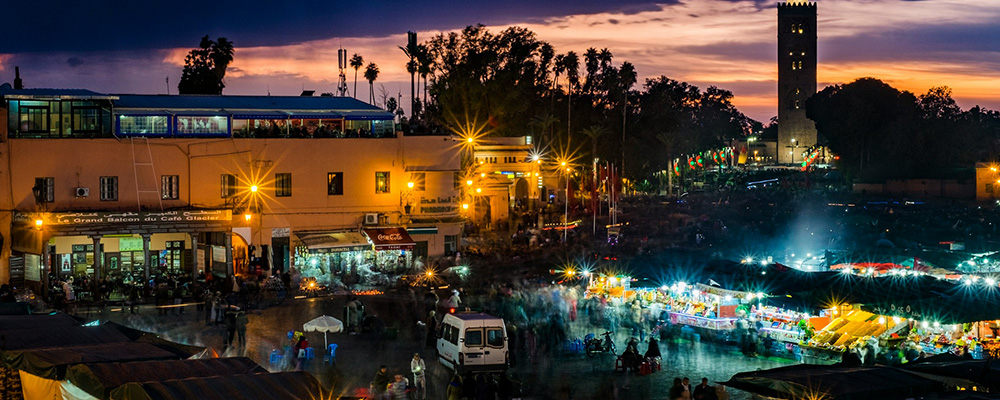
Maps can only take you so far. The key is paying attention to landmarks such as fountains, mosques, and distinctive archways. Start at Jemaa el-Fna, the city’s main square, and move into the main souks before venturing into side alleys. Local directions are invaluable—Moroccans are generally friendly and enjoy guiding curious travelers to authentic shops or hidden workshops.
Tips for Safe and Enjoyable Exploration
Safety and comfort are important when wandering the Medina. Carry a small backpack for your purchases, wear sturdy shoes for uneven streets, and keep valuables secure. Early mornings are ideal for exploring; streets are quieter, artisans are at work, and shops are open before the crowds arrive. Avoid peak hours near main souks to fully enjoy the hidden alleys.
Discovering Authentic Moroccan Crafts
The hidden streets of Marrakech are treasure troves for handmade crafts. You’ll find vibrant Berber rugs, hand-dyed textiles, intricately carved wooden boxes, silver jewelry, ornate metal lanterns, and traditional pottery. Items here are usually produced by artisans themselves, meaning better quality and a more personal story behind each piece. This is where authentic Moroccan culture comes alive.
Haggling and Shopping Etiquette
Bargaining is part of the experience, but in hidden streets, it’s more personal. Sellers are often the artisans, not middlemen, so negotiations are respectful and fair. Begin with a polite offer and ask about the item’s origin, materials, and techniques. Engaging in conversation shows interest in the craft and often results in a better deal or even customized pieces.
Culinary Corners and Spices
Some hidden alleys specialize in spices, dried fruits, and teas. These areas are less crowded, providing a calmer shopping experience. You’ll encounter aromatic saffron, cumin, cinnamon, argan oil, and mint tea leaves. Buying directly from producers ensures high quality, and tasting the products adds a sensory dimension to your tour.
Artisan Workshops and Personalized Experiences
Many workshops welcome visitors to watch the creative process. You can observe textiles being woven on looms, ceramics shaped and glazed, or leather goods dyed and stitched. Some artisans allow hands-on participation, giving travelers a deeper connection to the craft. Visiting workshops also supports local families and preserves traditional skills.
Combining Main Souks With Hidden Streets
For a complete experience, combine the main souks with hidden alleys. Begin at Jemaa el-Fna to enjoy the energy of the city, move through Souk Semmarine or Souk El Kebir for textiles and leather, and then branch into side streets for workshops, pottery studios, and spice corners. This approach balances vibrant tourist spots with intimate local encounters.
Benefits of a Local Guide
A local guide enhances the hidden street experience significantly. Guides know which workshops are authentic, which streets are safe, and where you can find the best value for products. They provide historical and cultural insights, explain the symbolism in crafts, and help with language barriers and bargaining. Walking with a guide transforms shopping into a cultural immersion.
Practical Tips for Visitors
Wear comfortable shoes for long walks on uneven surfaces.
Carry small bills for easier transactions.
Bring a reusable bag or backpack for purchases.
Take breaks for mint tea or local snacks to rest and recharge.
Ask permission before photographing artisans or their work.
Conclusion
Walking through Marrakech’s hidden streets is more than shopping—it’s a journey through time, culture, and craftsmanship. Beyond the busy main souks, alleys and secret workshops reveal authentic Moroccan artistry and daily life. With curiosity, awareness, and sometimes a local guide, visitors can navigate the Medina like a local, uncovering treasures and stories that make Marrakech unforgettable.
WhatsApp Morocco +212614905398