
Jemaa El-Fna Bab Ghmat Walk
Walking from Jemaa el-Fna to Bab Ghmat: Discover the Eastern Side of Marrakech Medina
Walking from Jemaa el-Fna to Bab Ghmat is an opportunity to discover a different side of Marrakech, away from the busiest shopping streets and the familiar tourist routes. This journey takes you from the famous central square towards the eastern edge of the historic Medina, through traditional residential neighbourhoods, the streets of Riad Zitoun, the old Mellah, the Berrima area and the historic surroundings of Bab Ghmat. Whether you are exploring independently or discovering the city with a local guide, this route reveals an important part of Marrakech's geography, history and everyday life. To understand how this journey fits into the wider old city, begin with our Complete Marrakech Medina Guide. You can also discover our private guided walking tour of Marrakech, arranged from your riad or hotel, or contact us on WhatsApp and send a booking enquiry. Our local guiding experience dates back to 2004, our Medina walk is featured in the Rough Guide to Morocco, and our guiding is recommended by Rick Steves.

Where Is Bab Ghmat in Marrakech?
Bab Ghmat, also written Bab Ghemat or Bab Aghmat, is one of the historic gates associated with the eastern side of Marrakech's old defensive walls. Its name recalls the historic connection between Marrakech and Aghmat, an important settlement in the region before and during the early development of the city.
For visitors staying around Jemaa el-Fna, Bab Ghmat offers a chance to move beyond the central commercial Medina and discover neighbourhoods that are less familiar to many tourists.
It is important not to confuse Bab Ghmat with Bab Debbagh, another historic gate located on a different side of the Medina and associated with the traditional tanners' quarter.
To understand the position of the different gates and neighbourhoods, consult our Marrakech neighbourhoods guide and the geographical guide to the Medina.
Start Your Walk at Jemaa el-Fna Square
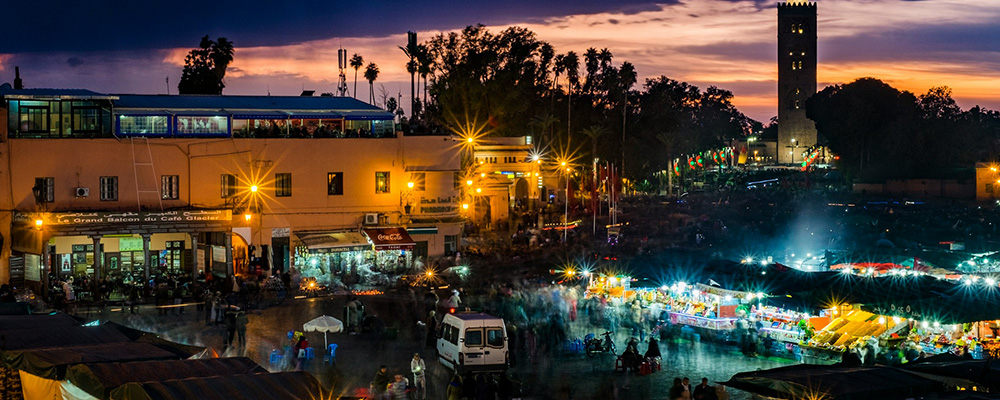
Jemaa el-Fna is the natural starting point for this journey. It is the historic meeting place at the heart of Marrakech, connecting the northern souks, the western area around the Koutoubia and the southern and eastern parts of the old city.
During the morning, the square has a different atmosphere from the evening. Juice sellers, local businesses and visitors gradually fill the open space. Later in the day, food stalls, musicians, storytellers and traditional performers transform the square into one of Morocco's most remarkable public spaces.
Before leaving the square, take a moment to look around and understand the different directions leading into the Medina. The northern entrance connects with the principal souks, while the southern and southeastern streets lead towards Riad Zitoun, the Mellah and the historic palace district.
Read our detailed article about Jemaa el-Fna Square and discover the best things to do in Marrakech.
From Jemaa el-Fna Towards Riad Zitoun
Leaving the square towards the southern and southeastern Medina, you gradually enter the streets around Riad Zitoun. This is an interesting transition from the open atmosphere of Jemaa el-Fna to a more intimate network of traditional streets, residential buildings, riads and small businesses.
Riad Zitoun is particularly important for understanding the southern geography of Marrakech. Its streets connect the central square with the historical Mellah and the palace district.
Riad Zitoun el-Jdid and Riad Zitoun el-Kedim are two names visitors will encounter when exploring this area. The streets contain traditional houses, small shops, workshops and historic buildings, giving the neighbourhood a distinctive character.
One of the interesting aspects of this walk is the changing atmosphere. The closer you move towards the residential areas, the more the experience becomes about observing everyday Medina life rather than simply visiting commercial attractions.
Our guide to Marrakech's historic neighbourhoods explains the relationship between Riad Zitoun, the Mellah and the surrounding districts.
Discover the Historic Mellah of Marrakech
The Mellah is one of the most historically significant neighbourhoods in southern Marrakech. It was established as the city's Jewish quarter during the Saadian period and developed into an important residential and commercial area.
Walking through the Mellah reveals architectural details and street patterns that distinguish it from other parts of the Medina. Its narrow streets, traditional houses, historic buildings and commercial activities reflect the diverse communities that helped shape Marrakech.
The area is particularly interesting for visitors who want to understand the city's social and cultural history. The historic Jewish presence is visible in the neighbourhood's heritage, including the Lazama Synagogue and the Miâara Jewish cemetery.
The Mellah also has a traditional market atmosphere, with spice sellers, food businesses, small shops and local commercial activity.
Explore the history and geography of Marrakech's neighbourhoods and discover more about the historic Medina and its cultural heritage.
Place des Ferblantiers and the Traditional Metalworkers
Place des Ferblantiers is another interesting landmark in the southern Medina. Its name is associated with traditional metalworking, and the surrounding shops and workshops reflect the importance of craftsmanship in Marrakech.
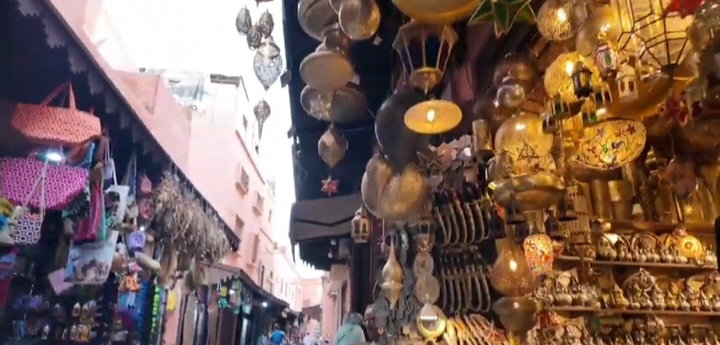
Metal lanterns, decorative objects and traditional products are part of the commercial identity of this area. It is a useful place to understand how different artisan activities developed in separate parts of the old city.
The square also provides a useful geographical reference when moving between the Mellah, the palace district and the eastern Medina.
If you are interested in traditional Moroccan craftsmanship, discover our guide to Marrakech's traditional souks and our article about the traditional artisans of Marrakech Medina.
Bahia Palace and the Historic Riad Zitoun District
Bahia Palace is one of the most important historical monuments in this part of Marrakech. Located in the Riad Zitoun area, it is famous for its decorated courtyards, carved cedar ceilings, intricate plasterwork, colourful zellige and traditional Moroccan architectural details.
The palace provides an excellent opportunity to understand the craftsmanship that developed in Marrakech and the importance of architecture in the residences of powerful historical families.
Although Bahia Palace is not the final destination of the walk to Bab Ghmat, it is an important nearby landmark and can be included as an optional visit.
Allow additional time if you wish to explore the palace interiors rather than simply pass through the surrounding streets.
Read our dedicated Bahia Palace Marrakech Guide for its history, architecture and practical visiting information.
Visitors interested in discovering more historic buildings can also explore our guide to Marrakech's historic monuments and palaces.
From the Palace District Towards Berrima
Continuing eastwards from the palace and Mellah area, the route gradually moves into the quieter streets associated with Berrima and the eastern Medina.
This transition is particularly interesting because the atmosphere becomes less dominated by the principal tourist shopping areas. Residential streets, small local businesses and traditional houses become more noticeable.
Berrima is an important geographical reference for understanding this part of the old city. It connects the historic palace district with the eastern approaches to the Medina and the area around Bab Ghmat.
Rather than treating every street as an isolated attraction, it is useful to understand how the neighbourhoods connect. This is one of the reasons local geographical knowledge makes such a difference when exploring Marrakech.
For another perspective on how the different parts of the old city fit together, read our complete guide to exploring Marrakech on foot.
Bab Ghmat: Reaching the Eastern Historic Gate
Bab Ghmat marks an important point in the eastern history and geography of Marrakech. Like the other historic gates, it formed part of the system of access through the defensive walls that surrounded the old city.
The historic gates of Marrakech were more than simple entrances. They connected the Medina with roads, agricultural areas, neighbouring settlements and commercial routes beyond the walls.
The name Bab Ghmat recalls the historical relationship between Marrakech and Aghmat, a settlement that played an important role in the history of the region before the rise of Marrakech as an imperial capital.
Reaching this area allows visitors to appreciate how far the historic city extends beyond Jemaa el-Fna and the main commercial souks.
For a broader understanding of the old city's development, return to our Marrakech Medina Guide and explore our article about the historic districts of Marrakech.
Traditional Riads Located Around Bab Ghmat
One interesting feature of the Bab Ghmat area is the presence of traditional accommodation properties located within the historic Medina. Some visitors choose to stay here because they prefer a quieter setting away from the busiest central shopping streets.
Among the properties whose addresses identify the Bab Ghemat area are the following two riads.
Riad Laurence Olivier
Riad Laurence Olivier is located at 82 Bab Ghemat, Derb Tbib, Marrakech. It is a traditional-style guesthouse in the Bab Ghemat area, with an interior courtyard and individually decorated accommodation.
Its location makes it relevant to visitors researching accommodation around the eastern Medina. You can view its position and check the surrounding streets using Riad Laurence Olivier on Google Maps.
Riad Le Perroquet Bleu
Riad Le Perroquet Bleu, also known as Riad Le Perroquet Bleu Suites and Spa, is located at 86 Arset El Baraka, Bab Ghmat, Marrakech. Its address places it in the same general eastern Medina area.
Visitors can locate the property and see its surrounding streets through Riad Le Perroquet Bleu on Google Maps.
These properties are accommodation references, not public monuments. Their inclusion helps visitors understand the residential and hospitality character of the Bab Ghmat area. Always check directly with the property for accommodation availability and arrival arrangements.
How to Find the Route on Google Maps
Google Maps can be useful for understanding the general relationship between Jemaa el-Fna and Bab Ghmat. However, navigating the Medina is not always as straightforward as following a road in a modern district.
Many streets are narrow, pedestrian-oriented and interconnected through passages that can be difficult to identify on a digital map. Some routes may also lead to private residential entrances or dead ends.
For this reason, use the principal landmarks and neighbourhood names as geographical references rather than relying entirely on the street-by-street instructions shown on your phone.
Open the Google Maps walking route from Jemaa el-Fna to Bab Ghmat before setting out. You can also search for Bab Aghmat on Google Maps and compare the different streets leading towards the eastern gate.
Our article about walking through the hidden heart of Marrakech Medina provides another example of how local geographical knowledge helps visitors understand the old city.
What Can You Discover Along the Way?
The walk is interesting because it combines several different aspects of Marrakech rather than concentrating on one attraction.
You begin in the energetic environment of Jemaa el-Fna, continue through the streets around Riad Zitoun, discover the historic Mellah, pass the traditional commercial environment around Place des Ferblantiers, and move towards the residential character of Berrima and Bab Ghmat.
Along the way, look at the traditional doorways, architectural details, small courtyards, local shops and the relationship between residential buildings and commercial streets.
You may also notice traditional neighbourhood facilities such as local bakeries, small food businesses and the remains of the older urban structure that helped each district function as a community.
For further inspiration, explore our guide to the hidden alleys beyond Jemaa el-Fna and our introduction to the traditional life of the Medina.
How Long Should You Allow for This Walk?
The time required depends on your walking speed, the streets you choose and whether you stop to explore the surrounding monuments or neighbourhoods.
A direct walk and a cultural exploration are two different experiences. Visitors simply trying to reach Bab Ghmat will need less time than those who want to explore the Mellah, visit Bahia Palace, photograph traditional architecture and discover the small streets along the way.
It is worth allowing additional time for the historical surroundings rather than treating the journey as a race between two points.
If you would like to discover other parts of the city on foot, read our guide to the best walking routes in Marrakech and our one-hour route through the traditional shopping streets.
When Is the Best Time to Walk Towards Bab Ghmat?
Morning is often a pleasant time to explore this part of the Medina. The streets are generally cooler, local businesses begin their working day and visitors can observe the neighbourhood before the busiest hours.
Late afternoon can also be enjoyable, particularly during the cooler months. However, visitors should consider the time needed to return to their accommodation before evening.
During summer, it is advisable to avoid the hottest part of the day. Carry water, wear comfortable shoes and allow enough time to walk without rushing.
Friday has its own rhythm because of midday prayers, and some businesses may adjust their opening times. Check our complete guide to Marrakech souk opening hours before planning your day.
Explore the Wider Medina with a Local Guide
Understanding the journey from Jemaa el-Fna to Bab Ghmat is part of understanding Marrakech as a whole. The Medina is made up of interconnected neighbourhoods, each with its own history, commercial activity and residential character.
A knowledgeable local guide can explain how the different districts developed, why the historic gates were important, where traditional artisans worked and how the old city's residential areas connect with its commercial centre.
Visit Marrakech Medina has been guiding travellers through the old city since 2004. Our approach is based on local knowledge, authentic discoveries and helping visitors understand the Medina beyond the familiar tourist streets.
For visitors who would like to explore the old city with a guide, our Marrakech private guided walking experience offers a more personal introduction to the historic centre. You can also compare our shared group walking experiences and discover our complete range of Marrakech tours.
Discover More Places Around Marrakech
The eastern Medina is only one part of a much larger historic city. Visitors interested in understanding Marrakech in greater depth can continue exploring the commercial souks, the historic monuments, the artisan districts and the quieter residential neighbourhoods.
Discover our guide to things to do in Marrakech, learn more about the traditional souks and shopping areas, or explore the city's specialist craft markets through our guide to the Souk des Bijoutiers.
If you are interested in traditional Moroccan carpets, our Marrakech carpet and rug guide provides further information about the city's textile traditions.
You can also discover our Marrakech travel articles for additional local information before your visit.
Plan Your Visit to Bab Ghmat and the Eastern Medina
Walking from Jemaa el-Fna to Bab Ghmat is more than a journey between two points on a map. It is an opportunity to understand how Marrakech developed, how its neighbourhoods connect and how traditional life continues within the historic walls.
From the energy of the central square to the residential streets of Riad Zitoun, the historic Mellah, the Berrima area and the eastern gate, this route offers a different perspective on the Red City.
If you would like to explore these neighbourhoods with someone who knows the Medina, contact Visit Marrakech Medina on WhatsApp or complete our booking form. Private pickup can be arranged from your hotel or riad, whether you are staying inside the Medina or elsewhere in Marrakech.
Discover our full range of authentic Marrakech tours on our homepage.