
Souk Joutia Zrabi
Discover Souk Joutia Zrabi: The Traditional Carpet Market of Marrakech
Souk Joutia Zrabi is one of the most distinctive traditional markets in Marrakech Medina, famous for its Moroccan carpets, Berber rugs and handmade kilims. Located near Rahba Kedima, this historic carpet market is an essential stop for visitors interested in Moroccan craftsmanship and traditional weaving. To discover this part of the Medina with an independent local guide, contact Visit Marrakech Medina on WhatsApp or use our booking form. You can explore our dedicated Marrakech carpet and rug shopping tour, our traditional souk shopping tour or our private Marrakech Medina walking tour. Visit Marrakech Medina is also mentioned in the Rough Guide to Morocco and recommended by Rick Steves.

Where Is Souk Joutia Zrabi in Marrakech?
Souk Joutia Zrabi is situated in the traditional commercial area of Marrakech Medina, close to Rahba Kedima, also known as the Spice Square. It is part of the network of specialist markets that make the old city such an interesting place to explore.
The market is also known as Souk Zrabi or Souk Zrabia. The word Zrabi refers to carpets and rugs, reflecting the market's traditional speciality.
One of the most useful landmarks when looking for the carpet market is Rahba Kedima. From this square, visitors can enter the surrounding passages and discover the shops displaying traditional Moroccan rugs.
The carpet market is also within walking distance of Souk Smata, the traditional Moroccan slipper market. This makes it possible to combine two specialist markets during the same Medina visit.
For a better understanding of the location and organisation of these traditional shopping areas, explore our Marrakech Medina Guide, our Complete Geographical Guide to Marrakech Medina and our guide to the historic neighbourhoods of Marrakech Medina.
Why Is Souk Zrabi Famous?
Souk Zrabi is particularly famous for its concentration of traditional Moroccan carpets. Unlike general shopping streets where visitors find a mixture of souvenirs, clothing and handicrafts, this specialist market is closely associated with rugs and traditional textile craftsmanship.
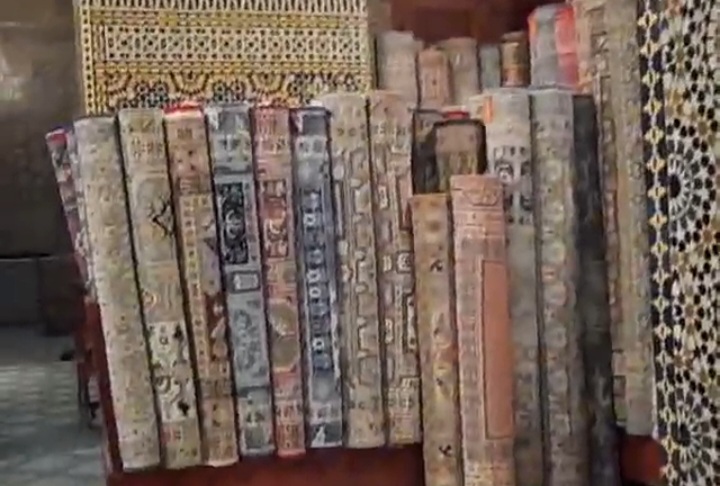
Walking through the market, you will notice carpets displayed outside shops, hanging from walls or arranged in colourful piles. Some are large enough to cover an entire living room, while others are smaller decorative pieces suitable for apartments and modern interiors.
The variety is one of the most interesting features of this market. Different weaving traditions, materials, colours and geometric patterns come together in a relatively small area.
For anyone interested in Moroccan decoration, traditional crafts or handmade textiles, Souk Joutia Zrabi offers an opportunity to discover the diversity of carpets produced in different parts of the country.
Different Types of Moroccan Carpets Found in Souk Joutia Zrabi
Morocco has a rich carpet-making tradition, with different regions developing their own weaving techniques, materials and designs. The carpet market in Marrakech brings together examples of these different traditions.
Beni Ourain Carpets
Beni Ourain rugs are among the most internationally recognised Moroccan carpets. Traditionally associated with Amazigh communities in the Middle Atlas Mountains, they are often made from natural wool and feature a light background with dark geometric designs.
Their relatively simple patterns and natural colours have made them particularly popular in contemporary interior decoration.
Azilal Carpets
Azilal carpets originate from the High Atlas region. They are known for their expressive patterns, irregular geometric shapes and colourful details.
Many examples combine a natural wool background with bright colours, creating distinctive pieces that reflect the creativity of their weavers.
Boujad Carpets
Boujad rugs are associated with the Haouz region and are appreciated for their warm colours, particularly shades of red, pink, orange and purple.
Their designs can include geometric patterns and abstract forms. Each carpet has its own character, and differences in colour and composition make browsing the collection particularly interesting.
Boucherouite Carpets
Boucherouite rugs are traditionally made using recycled pieces of fabric and textiles. Rather than following a single fixed design, they often feature colourful combinations and creative patterns.
These rugs illustrate how Moroccan textile traditions have made use of available materials to create practical and decorative objects.
Moroccan Kilims
Unlike thick pile carpets, kilims are flatwoven textiles. They are generally lighter and have a different texture and appearance.
Traditional Moroccan kilims can feature strong geometric patterns and contrasting colours. They are used as floor coverings, wall decorations and decorative textiles.
Ouzguita and High Atlas Carpets
The Marrakech region and the High Atlas Mountains have several distinctive weaving traditions. Ouzguita carpets, for example, are appreciated for their traditional patterns, wool and regional character.
Visitors may also encounter carpets from Taznakht and other Moroccan weaving areas. Comparing these different regional styles is one of the best ways to appreciate the diversity of Moroccan carpet craftsmanship.
The Traditional Carpet Auction: Criée Berbère
One of the most interesting historical aspects of Souk Zrabi is its association with the Criée Berbère, traditionally known as the Berber carpet auction.
Historically, carpets arriving from different regions of Morocco were brought to this market for trading. Merchants and professional intermediaries played an important role in connecting rural producers and urban carpet sellers.
The traditional auction system was known as dalala. Carpets were displayed and offered to merchants, who competed by proposing prices. Once an agreement was reached, the carpet would pass to the successful buyer before being offered for retail sale.
This system helped establish Marrakech as an important commercial centre for Moroccan carpets and textiles.
The historical trading practices are part of the identity of the market, although visitors should not assume that the traditional public auction takes place regularly today. The carpet shops and commercial activity remain the main features of the area.
Understanding this history makes a visit more interesting because Souk Zrabi is not simply a collection of carpet shops. It is part of the commercial history of Marrakech Medina.
How Are Traditional Moroccan Carpets Made?
Traditional Moroccan carpets are the result of considerable skill and patience. In many rural communities, weaving knowledge has been passed down through generations, particularly among women.
The process begins with preparing the wool or other textile materials. Depending on the regional tradition, the wool may be washed, spun and dyed before the weaving begins.
Weavers then work on traditional looms, creating patterns through carefully arranged knots or flatweaving techniques. The time required depends on the size, materials and complexity of the design.
Some carpets have relatively simple geometric patterns, while others require much more elaborate work. Natural wool, traditional dyes and regional weaving techniques contribute to the individual character of each piece.
When you look at a handmade Moroccan carpet, you are seeing more than a decorative object. You are discovering a craft connected to the history, landscape and everyday life of different Moroccan communities.
To discover more traditional crafts and the people who keep them alive, read our article about the last artisans of Marrakech Medina.
How to Choose a Good Moroccan Carpet
If you are considering buying a Moroccan carpet, take your time. The market offers a wide selection, and comparing several examples can help you understand the differences in quality, materials and workmanship.
Here are some useful points to consider:
- Material: Ask whether the carpet is made from natural wool, cotton, recycled textiles or a combination of materials.
- Weaving technique: Find out whether it is hand-knotted or flatwoven.
- Origin: Ask where the carpet was made and which regional weaving tradition it represents.
- Condition: Examine the back, edges and surface, particularly when considering an older or vintage carpet.
- Patterns: Compare the designs and ask about their regional origins when this information is available.
- Size: Consider the dimensions carefully, especially if you are buying for a particular room.
Do not rely exclusively on a seller's description. Ask questions, compare different pieces and take time to make your decision.
Shopping and Bargaining at Souk Joutia Zrabi
Traditional carpet shopping in Marrakech is often a relaxed social experience. Visitors may be invited to sit down while a shopkeeper presents different carpets, explains their characteristics and offers mint tea.
It is common to see several carpets unrolled one after another. This allows customers to compare patterns, colours, materials and sizes.
Bargaining is traditionally part of the shopping experience in Marrakech. If you are interested in purchasing a carpet, you can discuss the price politely and negotiate until you reach an agreement that feels reasonable.
However, you should never feel obliged to buy simply because a shopkeeper has spent time showing you different pieces. It is perfectly acceptable to browse, ask questions and continue exploring the market.
For visitors interested in a more complete shopping experience, our guide to the best rug markets in Marrakech provides additional information about carpet shopping in the city.
What Other Souks Can You Visit Near Souk Zrabi?
One of the advantages of visiting Souk Joutia Zrabi is its location within the traditional market network of Marrakech Medina. Several other interesting specialist souks can be included in the same walking route.
Souk Smata: The Traditional Slipper Market
Souk Smata is famous for Moroccan babouches, the traditional leather slippers worn by men and women. The colourful displays make it one of the most recognisable specialist markets in the Medina.
Read our guide to Souk Smata and traditional Moroccan slippers.
Souk Semmarine
Souk Semmarine is one of the main shopping streets of Marrakech Medina. It connects different commercial areas and offers a wide variety of traditional products, textiles and handicrafts.
It is an excellent place to begin exploring the traditional shopping network before moving into the smaller specialist souks.
Discover more in our Souk Semmarine guide.
Rahba Kedima
Rahba Kedima is a historic square near the carpet market. It is particularly associated with spices, herbs, baskets and traditional products.
The square is also a useful meeting point and geographical reference when exploring the surrounding souks.
Souk Chouari
Souk Chouari is associated with traditional woodworking and basketry. It offers a different perspective on Moroccan craftsmanship and the specialist trades of the old city.
For more information, explore our guide to Souk Chouari and traditional woodworking.
Best Time to Visit the Traditional Carpet Market
Morning is generally a pleasant time to explore Souk Joutia Zrabi, particularly if you want to browse the different carpet shops without rushing.
The market is part of the active commercial Medina, but individual shop opening hours can vary. Friday schedules may also differ because of midday prayers.
If you are planning to visit several markets during the same morning, it is useful to understand how the different souks connect and which routes are easiest to follow.
For practical information, see our complete local guide to Marrakech souk opening and closing hours.
Discover Souk Joutia Zrabi with a Local Marrakech Guide
Souk Joutia Zrabi is much more than a place to buy carpets. It is an opportunity to discover the different weaving traditions of Morocco, understand the commercial history of Marrakech and appreciate the work of generations of artisans.
With Visit Marrakech Medina, you can explore the traditional carpet market, discover specialist shopping streets and learn about the history of the old city with an independent local guide who has been guiding visitors since 2004.
Our approach is based on authentic local knowledge, cultural discovery and a relaxed experience. We do not force visitors to shop or purchase products. You can explore, ask questions and learn about traditional Moroccan craftsmanship at your own pace.
Discover our full range of authentic Marrakech tours on our homepage, including our Marrakech group tours, tours available this week and luxury shopping tour.
Whether you are interested in Berber carpets, handmade kilims, traditional Moroccan textiles or the hidden streets of the Medina, a guided visit can help you discover the real character of Marrakech.
Plan Your Visit to Souk Joutia Zrabi
Would you like to explore the traditional carpet market and discover the specialist souks of Marrakech with a knowledgeable local guide? Contact Visit Marrakech Medina to discuss your visit and arrange a private or shared experience.
Contact Visit Marrakech Medina on WhatsApp or send your request through our booking form.
Discover the traditional carpets, artisans, hidden shopping streets and authentic atmosphere of Marrakech Medina with Visit Marrakech Medina.