
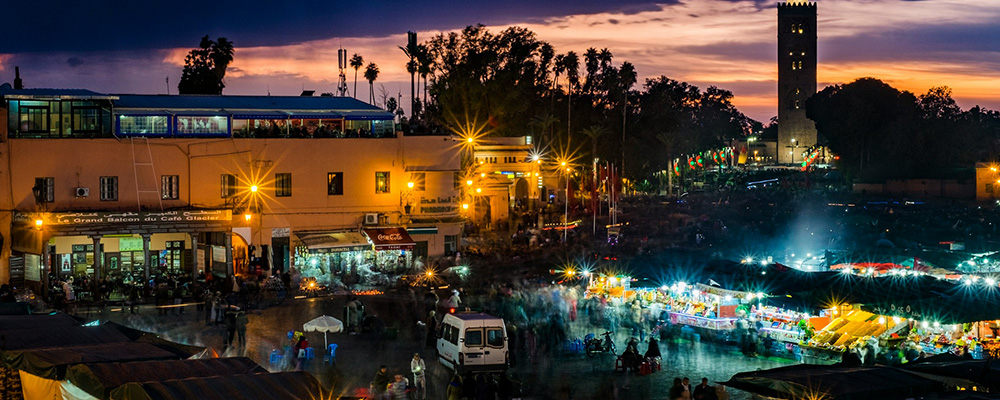
Souk Apothicaires Shopping
Discover Souk des Apothicaires in the Heart of Marrakech Medina
Would you like to discover the traditional herbalists and fascinating natural products of Marrakech? Souk des Apothicaires is one of the most interesting corners of the old Medina, where traditional Moroccan herbs, spices, natural cosmetics and ancestral knowledge come together. You can explore this area with our local guide on WhatsApp or arrange your visit through our booking form. Discover our guided Medina walking tour, Marrakech souk shopping tour and traditional Moroccan carpet tour. Our local walking experience is featured in The Rough Guide to Morocco, and our guiding is recommended by Rick Steves.

What Is Souk des Apothicaires?
Souk des Apothicaires is associated with the traditional herbalists and apothecaries of Marrakech Medina. The word apothecary refers to someone who prepares, sells or works with medicinal and aromatic ingredients, particularly plants and natural substances.
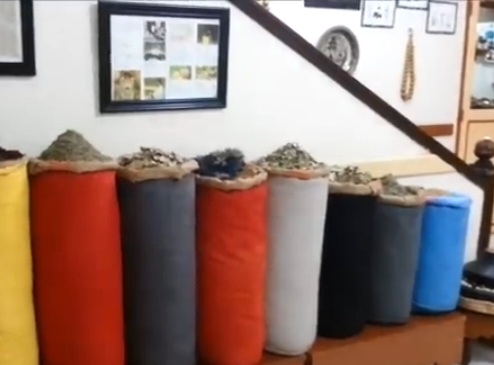
This historic commercial tradition can be discovered around Rahba Kedima, also known as the Old Spice Square or Place des Épices. Here, small shops and market stalls display colourful spices, dried plants, roots, flowers, oils and traditional Moroccan preparations.
Unlike the large shopping streets of the Medina, this area offers a closer look at the relationship between Moroccan daily life, traditional knowledge and the natural ingredients that have been used for generations.
The herbalists are often called attarine, a name associated with the traditional trade in aromatic products, spices and medicinal plants. Their shops reflect a specialised commercial tradition that remains part of Marrakech's cultural identity.
Rahba Kedima: The Historic Square of Herbalists and Spices
To understand Souk des Apothicaires, it is important to discover Rahba Kedima. This small but lively square is one of the most recognisable places in the traditional souks of Marrakech.
Located within the network of commercial streets between Souk Semmarine and the surrounding specialist markets, Rahba Kedima has long been associated with spice merchants, herbalists and traditional products.
Its atmosphere is different from the busy main shopping arteries. Instead of concentrating on clothing, leather goods or tourist souvenirs, the square is closely connected with aromatic ingredients, natural products and everyday Moroccan traditions.
Look around and you will discover colourful displays of spices, dried herbs, woven baskets, straw hats and traditional products. Small shops surrounding the square provide an opportunity to see how different generations of merchants have maintained their commercial activities.
To understand how this area connects with the wider Medina, read our Marrakech Medina Guide and our complete geographical guide to Marrakech Medina.
Traditional Moroccan Medicinal Plants and Herbs
One of the most fascinating aspects of Souk des Apothicaires is the variety of plants and natural ingredients displayed by traditional herbalists.
For generations, Moroccan families have used plants in traditional household practices, cooking, fragrances and personal care. Knowledge about these ingredients has often been passed down through families and through conversations between experienced merchants and their customers.
Among the products visitors may encounter are:
- Dried mint: An essential ingredient in traditional Moroccan mint tea.
- Rose petals: Used in fragrances, decorative preparations and traditional cosmetics.
- Verbena: A fragrant plant traditionally used for herbal infusions.
- Thyme and rosemary: Aromatic herbs used in Moroccan cooking and household traditions.
- Black seed (nigella): A traditional ingredient found in Moroccan herbal shops.
- Chamomile: A familiar dried flower used for herbal infusions.
- Licorice root: A traditional ingredient sold in dried form.
- Various roots and dried flowers: Displayed in jars and containers by specialist merchants.
Every product has its own appearance, aroma and cultural background. A conversation with an experienced herbalist can reveal how these ingredients have traditionally been used in Moroccan households.
It is important to distinguish traditional knowledge from modern medical advice. The products displayed in these shops should not be considered proven treatments or substitutes for professional medical care.
Moroccan Traditional Remedies and Ancestral Knowledge
Traditional Moroccan herbalism is closely connected with the history of everyday life in the Medina. Before modern pharmacies became widely available, families relied on a combination of inherited knowledge, local ingredients and advice from experienced herbalists.
These traditional practices included preparing herbal infusions, combining aromatic plants, using natural oils and selecting ingredients for household and personal care.
Some preparations were associated with digestion, relaxation, skin care and general well-being. The precise ingredients and traditional uses differed between families and regions.
Herbalists played an important commercial and cultural role. Their shops were places where customers could ask questions, compare ingredients and learn about traditional preparations.
Today, this knowledge remains an interesting part of Moroccan cultural heritage. Visiting an apothecary provides an opportunity to discover this tradition without assuming that every historical remedy has scientifically established medical benefits.
Natural Cosmetics and Traditional Moroccan Beauty Products
Souk des Apothicaires and the surrounding herbalist shops are also interesting places for discovering traditional Moroccan beauty products.
Morocco has a long tradition of using natural ingredients in personal care. Many of these products are still found in the Medina, where merchants explain their origins and traditional applications.
Some of the best-known products include:
- Argan oil: A famous Moroccan oil used in cosmetic preparations and cooking.
- Ghassoul clay: A natural mineral clay traditionally used for cleansing hair and skin.
- Black soap (savon beldi): A traditional olive-based product used in Moroccan hammam rituals.
- Rose water: A fragrant product associated with traditional beauty routines.
- Orange blossom water: Used in Moroccan cuisine, fragrance and household traditions.
- Natural kohl: A traditional cosmetic product sold in specialist shops.
- Essential oils: Aromatic oils made from different plants and flowers.
These products are part of a wider Moroccan tradition of natural cosmetics. When purchasing them, ask about their ingredients, origin, intended use and packaging. Product quality and composition can vary considerably between sellers.
The Difference Between Souk des Apothicaires and Souk El Attarine
Visitors sometimes confuse Souk des Apothicaires with Souk El Attarine because both are connected with aromatic products, herbs and traditional commerce.
However, they are useful to understand as related but distinct parts of the Medina's commercial geography.
Souk des Apothicaires is associated particularly with herbalists, traditional preparations and medicinal plants around Rahba Kedima.
Souk El Attarine is historically associated with spices, perfumes and aromatic products. Its commercial character has evolved over time, and visitors can find a variety of other traditional goods there today.
Both areas help explain how the historic souks developed around specialised trades and commercial activities.
For more information, explore our dedicated article about Souk El Attarine and its traditional products.
How to Find Souk des Apothicaires in Marrakech
The easiest way to discover the herbalist area is to head towards Rahba Kedima, the historic spice square in the centre of Marrakech Medina.
From Jemaa el-Fna, walk into the main souk network and continue towards Souk Semmarine and the surrounding traditional market streets. Follow the signs and local directions towards Rahba Kedima.
The square is an excellent starting point for exploring the nearby herbalist shops and other specialist souks.
You can also combine your visit with:
- Souk Semmarine, the main commercial artery of the Medina.
- Hidden souks that most tourists miss.
- Souk des Tapis and the traditional carpet trading area around the former Criée Berbère.
- Jemaa el-Fna Square, the historic heart of Marrakech.
For visitors interested in understanding the layout of the old city, our walking route from the Kasbah to the authentic souks provides another useful perspective on how different commercial neighbourhoods connect.
What Is the Best Time to Visit Souk des Apothicaires?
Morning is generally a pleasant time to explore the herbalist area. Shops are opening, products are being arranged and the surrounding market streets are becoming active.
Late morning is particularly suitable for visitors who want to take their time, compare different products and speak with merchants.
Like other traditional commercial areas of Marrakech, individual shops have their own schedules. Opening times can change during Ramadan, religious holidays and Friday prayers.
For more practical information, consult our complete local guide to Marrakech souk opening and closing times.
Tips for Visiting Traditional Herbalists in Marrakech
A visit to Souk des Apothicaires is more rewarding when you take time to observe and ask questions rather than simply purchasing the first product you see.
- Take your time: Look at different shops and compare the products available.
- Ask about origins: Find out where herbs, roots and oils come from.
- Check ingredients: Ask what is contained in prepared mixtures and cosmetic products.
- Compare quality: The appearance, fragrance and packaging of similar products can vary.
- Respect traditional knowledge: Merchants often have years of experience and family knowledge to share.
- Do not feel pressured: You can learn about the products without buying anything.
- Check travel restrictions: Certain plants, seeds and natural products may be restricted when crossing international borders.
Remember that traditional remedies are part of cultural heritage, not a replacement for medical diagnosis or treatment. Avoid taking unfamiliar preparations without checking their ingredients and suitability with a qualified healthcare professional.
Discover Souk des Apothicaires with a Local Marrakech Medina Guide
Exploring Souk des Apothicaires with someone who knows the Medina makes it easier to understand the history and commercial traditions behind this fascinating area.
At Visit Marrakech Medina, we specialise in authentic walking and shopping experiences throughout the old city. Our local guiding team has been working in Marrakech since 2004 and knows the traditional souks, specialist markets, artisan streets and hidden corners of the Medina.
During a guided walk, you can discover the herbalists, learn about Moroccan spices and natural products, understand the history of traditional trades and explore the surrounding commercial neighbourhoods.
We also offer a relaxing stop at a traditional Moroccan herbalist and spice cooperative, where visitors can learn about local ingredients, enjoy Moroccan mint tea and discover traditional products without any obligation to purchase.
Whether you are interested in history, traditional remedies, Moroccan culture or authentic shopping, Souk des Apothicaires is a fascinating part of the Medina to include in your visit.
Discover our full range of authentic Marrakech tours on our homepage, including our complete selection of guided tours and Marrakech group walking tours.
Frequently Asked Questions About Souk des Apothicaires
Where is Souk des Apothicaires located?
It is associated with the traditional herbalist and apothecary shops around Rahba Kedima, also known as the Old Spice Square, in Marrakech Medina.
What can you buy at Souk des Apothicaires?
Visitors can find dried herbs, aromatic plants, roots, spices, traditional oils, natural cosmetics, black soap, ghassoul clay and other traditional Moroccan products.
Is Souk des Apothicaires the same as Rahba Kedima?
They are closely connected. Rahba Kedima is the historic square around which many herbalist and spice merchants operate. Souk des Apothicaires refers to the specialised herbalist trade associated with this area.
What is the difference between Souk des Apothicaires and Souk El Attarine?
Both are associated with aromatic products and traditional commerce. Souk des Apothicaires is particularly associated with herbalists and traditional preparations, while Souk El Attarine has a historical association with spices and perfumes.
Can visitors learn about traditional Moroccan remedies?
Yes. Herbalists can explain the traditional uses and origins of different plants and ingredients. These explanations are cultural and historical information rather than medical advice.
Can I visit Souk des Apothicaires without buying anything?
Yes. You can explore the area, observe the products and ask questions without any obligation to purchase.
Is Souk des Apothicaires worth visiting?
Absolutely. It offers an interesting opportunity to discover traditional Moroccan herbalism, natural cosmetics, spices and the commercial heritage of Marrakech Medina.
Book Your Marrakech Medina Walking Experience
Would you like to discover Souk des Apothicaires, Rahba Kedima and the authentic traditional souks with a knowledgeable local guide?
Contact Visit Marrakech Medina directly. We are happy to help you organise an authentic Medina experience, answer your questions and explain the available walking and shopping tours.
Contact us on WhatsApp or send your request through our online booking form.
Discover Marrakech beyond the main tourist streets, explore its traditional trades and experience the living heritage of its Medina.