
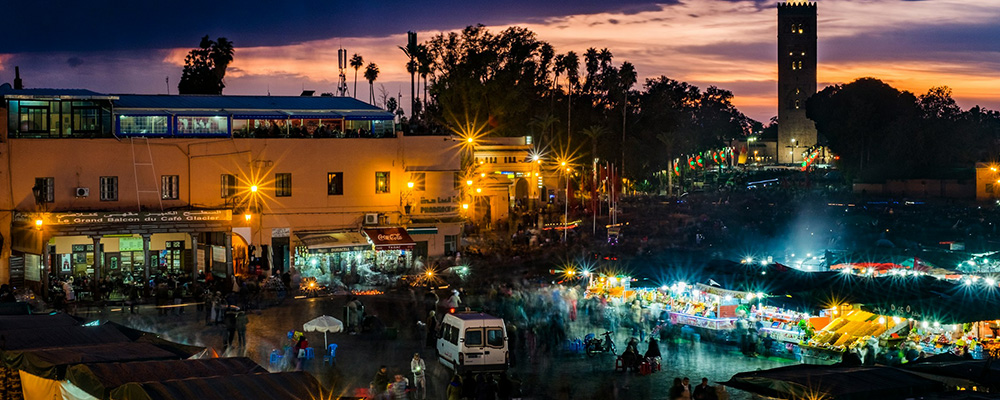
Why Walking Is Way to Know Marrakesh
.jpeg)
Why Walking Is the Best Way to Know Marrakech
Introduction: Marrakech Was Made for Walking, Not Rushing
Marrakech is not a city you understand from behind a car window, a tour bus seat, or a rushed checklist of monuments. Marrakech is a city that reveals itself step by step, breath by breath, corner by corner. It is a living organism, not a museum. The Medina was built long before modern transport, designed for human movement, animal caravans, and community life. Walking is not just a way to move in Marrakech — it is the way the city was meant to be experienced. When you walk, you slow down enough to see, hear, smell, feel, and understand. This is why walking is the best way to truly know Marrakech.
The Medina: A City Designed for Feet, Not Wheels
The historic Medina of Marrakech is a UNESCO World Heritage Site, and its structure alone explains why walking is essential. Narrow alleyways, winding derbs, sudden courtyards, covered souks, and hidden squares were intentionally designed for pedestrians. Cars cannot enter most of the Medina, and even motorbikes must navigate carefully. This urban design was not accidental. It protected residents from heat, encouraged social interaction, and created a sense of privacy and security. When you walk, you experience the Medina as it was intended — a human-scale city where every turn has meaning.
Walking Slows You Down — And Marrakech Demands Slowness
Marrakech does not reveal itself to those who rush. The magic lies in details: a carved wooden door half open, the scent of fresh khobz bread from a communal oven, the echo of metal being hammered in a copper workshop, children playing football in a quiet alley, an old man repairing leather sandals by hand. These moments are invisible from vehicles or rushed tours. Walking forces you to slow down, and in doing so, Marrakech opens up. Slowness is not a weakness here — it is the key.
Understanding Daily Life Through Walking
When you walk through Marrakech, especially with a knowledgeable local guide, you are not just sightseeing — you are observing life in motion. You see how neighbors greet each other, how shopkeepers prepare for the day, how families organize their homes, how artisans work, how traditions are passed quietly from generation to generation. You witness the rhythm of the city: morning deliveries, midday prayers, afternoon calm, evening energy. Walking allows you to understand Marrakech as a living community, not a stage set for tourists.
The Souks: Best Experienced on Foot
The souks of Marrakech are not a single market but a complex network of specialized streets: leather, spices, textiles, metalwork, wood, pottery, lamps, jewelry. Each souk has its own atmosphere, sounds, smells, and history. Walking through them lets you feel the transitions — how spice scents change, how sounds shift from silence to hammering, how light filters through wooden roofs. On foot, you can stop, observe, ask questions, enter workshops, and appreciate craftsmanship. This level of immersion is impossible from a distance.
Walking Allows Access to Hidden Marrakech
Much of Marrakech’s beauty is hidden behind walls. Riads, courtyards, fountains, workshops, bakeries, and family homes are invisible unless you walk close enough to notice small signs: a door slightly open, a sound coming from inside, a scent escaping into the alley. Walking gives you access to Marrakech’s secret layers — places not marked on maps and not accessible by vehicles. These hidden spaces are where the real city lives.
Walking Connects You to the Senses
Marrakech is a sensory city. Walking engages all five senses at once. You smell spices, leather, mint tea, orange blossom. You hear calls to prayer, conversations, footsteps, donkeys, artisans at work. You see colors, textures, faces, details. You feel the stone under your feet, the shade of narrow streets, the warmth of the sun in open squares. You even taste Marrakech as you stop for olives, bread, tea, or street snacks. Walking turns the city into a full sensory experience.
The Importance of Human Encounters
Real connection happens at walking pace. When you walk, locals are more open to interaction. A smile, a greeting, a short conversation — these moments happen naturally. Shopkeepers invite you to look without pressure, artisans explain their work, children wave, elders share stories. Walking breaks the barrier between visitor and resident. You become part of the flow, not an observer passing through. These human encounters are often the most memorable part of a Marrakech visit.
Walking Reveals Architectural Details
Marrakech’s architecture is rich in detail: zellige tiles, carved stucco, cedar wood ceilings, arches, door knockers, fountains, and inscriptions. These elements are meant to be seen up close. Walking allows you to stop, look, and understand. A guided walking tour explains why patterns are geometric, why courtyards exist, how architecture responds to climate and spirituality. Without walking, these details blur into background noise.
Walking Is the Only Way to Truly Understand the Medina’s Logic
The Medina may feel chaotic at first, but it follows a deep internal logic developed over centuries. Residential areas are quiet and protected. Commercial areas are lively and centralized. Mosques, bakeries, fountains, and hammams serve each neighborhood. Walking helps you understand this organization. Over time, what once felt confusing begins to make sense. You stop feeling lost and start feeling oriented — not by street names, but by landmarks, smells, sounds, and community patterns.
Walking Creates Emotional Connection
There is a difference between visiting a place and connecting with it emotionally. Walking creates that connection. When you walk Marrakech, you feel its pulse. You begin to recognize familiar faces, remember turns, notice changes from morning to evening. The city becomes personal. This emotional bond is why many travelers fall in love with Marrakech and return again and again.
Walking Is Safer and More Practical in the Medina
Inside the Medina, walking is not only the best option — it is often the safest and most practical. Cars cannot reach many areas, and motorbikes can be stressful. Walking allows you to move comfortably, stop when needed, avoid crowds, and follow routes that make sense. With a local guide, walking becomes even safer, as you avoid scams, wrong turns, and uncomfortable situations.
Walking Tours Respect the City and Its People
Walking is respectful. It fits the scale of the Medina and honors its rhythm. It reduces noise, pollution, and disruption. Walking tours support sustainable tourism and allow meaningful interaction with locals without overwhelming communities. When you walk, you become a guest, not an intruder.
Walking with a Local Guide: The Perfect Combination
Walking alone is beautiful, but walking with a licensed local guide transforms the experience. A guide explains what you see, protects you from tourist traps, introduces you to locals, and shares stories that give depth to every step. You walk not just with your feet, but with understanding. The city becomes readable, meaningful, alive.
Walking Is Ideal for All Types of Travelers
Walking tours are flexible and suitable for:
– First-time visitors
– Families
– Solo travelers
– Photographers
– Culture lovers
– Seniors (at a comfortable pace)
– Curious minds
Walking adapts to your rhythm, interests, and energy.
Morning, Afternoon, and Evening Walks: Different Faces of Marrakech
Walking at different times reveals different cities. Morning walks show preparation and calm. Afternoon walks show craftsmanship and daily routines. Evening walks reveal energy, light, food, and social life. Walking lets you experience all these layers.
Walking Teaches You Patience and Presence
Marrakech teaches patience. Walking reinforces it. You learn to accept pauses, detours, invitations, moments of silence. This presence changes the way you travel — and sometimes the way you live.
Why Walking Leaves the Deepest Memories
Years later, travelers rarely remember traffic or bus routes. They remember moments: a smile, a scent, a conversation, a quiet alley, a shared tea. These memories come from walking. Walking creates stories worth remembering.
Conclusion: To Know Marrakech, You Must Walk It
Marrakech is not meant to be consumed quickly. It is meant to be walked, felt, listened to, and respected. Walking allows the city to reveal its soul — slowly, honestly, beautifully. If you truly want to know Marrakech, there is only one way: put your feet on its stones and let the city guide you.
Book This Walking Tour and Discover Marrakech the Way It Was Meant to Be Known