
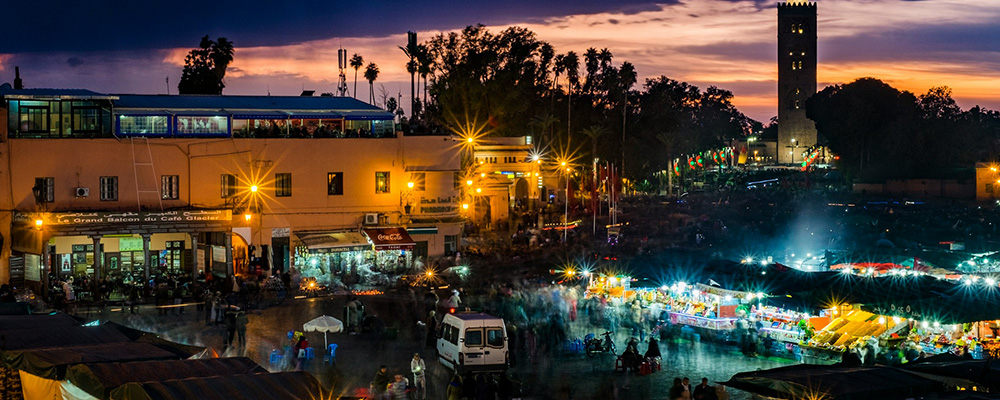
Souk Semmarine Historic Trading Streets
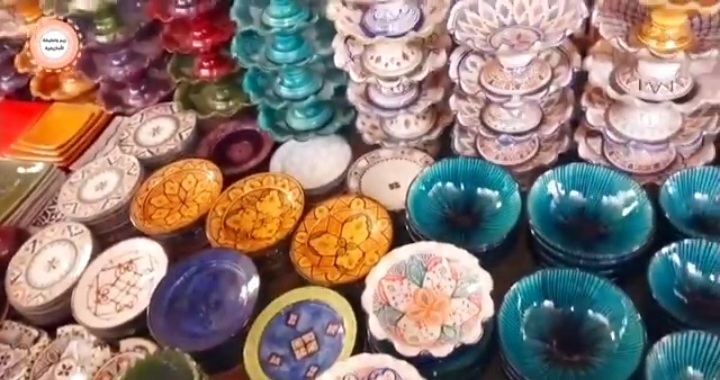
The Historic Trading Streets Around Souk Semmarine
The historic trading streets around Souk Semmarine form one of the most important commercial networks in Marrakech Medina. Beginning near Jemaa el-Fna and extending into the traditional souks, these interconnected passages reveal how merchants, artisans and shoppers have used the old city for generations. Visitors can explore these historic trading routes during our private Marrakech Souks Shopping Tour, discovering traditional markets, hidden workshops and the stories behind Moroccan craftsmanship. At Visit Marrakech Medina, we have been guiding visitors since 2004. Our walking tour is referenced in The Rough Guide to Morocco, and travellers can find a related recommendation in the Rick Steves travel community. To arrange your private guided experience, contact us directly on WhatsApp (+212 614 905 398) or complete our online booking form.

Where Are the Historic Trading Streets Around Souk Semmarine?
Souk Semmarine is situated in the central commercial district of Marrakech Medina, north of Jemaa el-Fna. It forms one of the principal pedestrian routes leading from the famous square into the traditional market network.
The name is commonly associated with Rue Semmarine, a busy shopping street that provides access to numerous adjoining passages and specialised markets.
Rather than being an isolated souk, Semmarine belongs to a wider commercial environment connecting Rahba Kedima, the historic craft quarters, the Mouassine area and the markets extending towards Ben Youssef.
For first-time visitors, the street is an important orientation point because it offers a relatively recognisable route into the otherwise complicated network of souk passages.
The Historical Importance of Souk Semmarine
Marrakech developed as a major commercial centre following its foundation in the 11th century. Its position within regional trading networks helped support markets dealing in agricultural products, textiles, leather, metal goods and other merchandise.
Over the centuries, commercial activities became concentrated around established market routes, religious institutions and neighbourhoods where particular crafts were practised.
Souk Semmarine became part of this larger trading environment, connecting central pedestrian circulation with specialised commercial areas.
Its significance lies not only in the products sold today but also in the way the surrounding streets preserve elements of the Medina's historical commercial organisation.
The buildings, narrow passages, shopfronts and adjoining markets illustrate how urban commerce developed within a densely built historic city.
Rue Semmarine: The Main Commercial Artery
Rue Semmarine is one of the busiest shopping streets in Marrakech Medina. It serves as a major pedestrian connection between Jemaa el-Fna and the traditional souks farther north.
Along the street, visitors encounter shops selling Moroccan clothing, leather accessories, textiles, babouches, decorative metalwork, jewellery and souvenirs.
Some businesses specialise in particular products, while others offer a broad selection of goods intended for both residents and visitors.
One of the distinctive features of Rue Semmarine is the constant movement between its main shopping corridor and the smaller passages branching away from it.
These adjoining streets lead towards more specialised markets, making Semmarine an important commercial crossroads rather than simply a single shopping destination.
The Traditional Trading Passages Branching from Semmarine
The historic souks of Marrakech developed through interconnected streets and passages, many associated with particular commercial activities.
Visitors exploring the areas around Semmarine may encounter streets historically linked with textiles, leatherworking, metalwork, woodworking, spices and other traditional trades.
The boundaries between these activities are no longer as strict as they once were. Modern retail shops, tourist businesses and changing consumer demand have transformed the commercial character of many passages.
Nevertheless, the historical names and surviving workshops provide clues to the earlier organisation of the markets.
1. The Trading Routes Towards Rahba Kedima
Rahba Kedima is one of the most recognisable traditional market squares connected to the central souk network.
The streets leading towards the square contain a mixture of shops selling spices, traditional herbal products, woven goods, rugs and decorative objects.
Historically, open market spaces played an important role in urban commerce by providing places where merchants and buyers could gather.
Today, Rahba Kedima remains a useful landmark for visitors navigating the passages surrounding Semmarine.
The transition from the busy main shopping street to the smaller market square illustrates how different types of commercial spaces coexist within Marrakech Medina.
2. The Historic Streets of Souk el Attarine
Souk el Attarine is traditionally associated with perfume merchants and aromatic products.
Its name reflects the historical importance of spices, perfumes and related goods in Moroccan market culture.
The surrounding streets now contain a broader variety of businesses, but their traditional association with aromatic products remains part of the commercial heritage of the Medina.
Visitors may encounter spice merchants, perfume sellers, traditional cosmetic products and other merchandise.
This area offers an opportunity to understand how specialised markets evolved while retaining traces of their earlier identities.
3. The Streets Associated with Leather Trading
Leather has long been an important material in Moroccan craftsmanship, used for footwear, bags, belts, household objects and decorative products.
In the central souks around Semmarine, leather shops display a variety of finished goods, including traditional babouches and contemporary accessories.
Some shops sell products made in Marrakech, while others offer merchandise produced elsewhere.
Visitors interested in authentic craftsmanship should ask about the origin, materials and production methods of individual products rather than assuming that everything displayed was made in the nearby workshops.
The leather trade also demonstrates the historical relationship between production areas, merchants and retail markets within the Medina.
4. The Streets Leading Towards Souk Haddadine
Souk Haddadine is historically associated with blacksmiths and metalworkers.
Traditional metalworking supplied the city with tools, household equipment, architectural fittings and other practical objects.
In parts of the surrounding artisan quarters, workshops continue to reflect this craft heritage, although the range of products and activities has changed.
The journey from Semmarine towards the metalworking areas illustrates the transition between busy retail passages and streets associated with traditional production.
For visitors interested in the working life of the souks, this distinction is particularly valuable.
5. The Trading Streets Towards Souk Chouari
Souk Chouari is associated with traditional woodworking and carpentry.
Woodworkers have historically produced furniture, domestic utensils, architectural elements and decorative objects for Marrakech households.
The surrounding streets form part of the wider artisan environment of the Medina, where workshops and commercial businesses developed in proximity to one another.
Visitors may encounter wooden objects, traditional craft tools and examples of local workmanship, depending on workshop activity.
As in other artisan quarters, working spaces should be approached respectfully, and permission should be requested before photographing craftsmen.
6. The Commercial Connection Towards Mouassine
The Mouassine quarter provides another important connection within the historic commercial network of Marrakech.
Its streets combine traditional shops, restored riads, religious architecture and historic residential buildings.
Visitors moving from the central souks towards Mouassine can observe changes in the character of the streets, from heavily commercial passages to areas where residential and commercial activities are more closely mixed.
The Mouassine Mosque and its surrounding historic complex also reflect the importance of religious and public architecture in the development of the neighbourhood.
This connection helps explain how Marrakech's markets were integrated into the broader urban organisation of the Medina.
7. The Historic Trading Routes Towards Ben Youssef
The streets extending towards the Ben Youssef area connect the traditional souks with one of the most important historic architectural districts of Marrakech.
The neighbourhood is known for the Ben Youssef Madrasa and its association with religious education and scholarship.
Nearby commercial passages contain shops offering textiles, leather goods, handicrafts and decorative merchandise.
These streets illustrate the relationship between educational institutions, religious buildings, residential quarters and commercial activity within the old city.
How Traditional Trading Streets Were Organised
The traditional markets of Marrakech were historically organised around commercial specialisation.
Merchants and craftsmen dealing in similar products often operated near one another, making it easier for customers to compare goods and for businesses to access materials and related services.
This organisation also helped create recognisable market identities associated with particular trades.
Examples include:
- Attarine: Traditionally associated with perfume and aromatic products.
- Haddadine: Associated with blacksmiths and ironworking.
- Chouari: Associated with woodworking.
- Leather markets: Associated with footwear, bags and other leather goods.
- Textile markets: Associated with fabrics, clothing and related merchandise.
Although the modern souks contain a wider mixture of businesses, their historical names and surviving craft activities preserve evidence of this traditional organisation.
The Role of Fondouks in Marrakech Trade
Fondouks were important buildings in the historical commercial life of Marrakech.
They provided spaces associated with merchants, storage, accommodation and commercial activities.
Many traditional fondouks were organised around internal courtyards, with rooms and working spaces arranged around the central area.
Some surviving examples have been restored or adapted for new uses, while others continue to reflect aspects of their commercial or artisanal history.
Their presence in the wider Medina helps explain how trading activity extended beyond individual street shops.
What Can Visitors Buy Around Souk Semmarine?
| Product category | Typical merchandise | What to examine |
|---|---|---|
| Leather goods | Bags, belts, babouches and accessories | Leather quality, stitching and finishing |
| Textiles | Scarves, fabrics and traditional clothing | Material composition and workmanship |
| Moroccan rugs | Handwoven carpets and decorative rugs | Fibre, weaving technique, condition and origin |
| Metalwork | Lanterns, trays and decorative objects | Material, construction and finishing |
| Wooden crafts | Boxes, utensils and decorative objects | Wood type, joinery and workmanship |
| Spices and perfumes | Spice mixtures, fragrances and aromatic products | Ingredients, packaging and freshness |
| Jewellery | Traditional and contemporary accessories | Metal content, craftsmanship and authenticity claims |
Product availability varies between shops and seasons. Visitors should compare individual items carefully, especially when purchasing expensive handcrafted goods.
A Suggested Walking Route Around Souk Semmarine
Visitors interested in the historic commercial organisation of Marrakech can follow a walking itinerary linking the main shopping artery with several adjoining market districts.
- Jemaa el-Fna: Begin at the northern side of the square.
- Rue Semmarine: Enter the main shopping street and observe the mixture of traditional and contemporary retail businesses.
- Rahba Kedima: Explore the historic market square and surrounding trading passages.
- Souk el Attarine: Discover the streets historically associated with aromatic products.
- Traditional artisan passages: Continue towards the areas associated with metalworking and woodworking.
- Ben Youssef: Visit the historic surroundings of the madrasa.
- Mouassine: Return through streets combining traditional commerce and historic architecture.
This route can be adapted according to individual interests, workshop accessibility and the amount of time spent shopping.
Allow approximately two to three hours for a relaxed exploration of the central trading streets, with additional time for detailed shopping or monument visits.
View Souk Semmarine on Google Maps.
Approximate Walking Times Around Souk Semmarine
| Route | Approximate walking time |
|---|---|
| Jemaa el-Fna to Souk Semmarine entrance | 2–5 minutes |
| Souk Semmarine to Rahba Kedima | 5–10 minutes |
| Rahba Kedima to Ben Youssef Madrasa | 5–10 minutes |
| Ben Youssef to Mouassine | 10–15 minutes |
| Mouassine to Jemaa el-Fna | 10–20 minutes |
These walking times are approximate and depend on the chosen passages, shopping stops and pedestrian traffic.
Why the Streets Around Semmarine Can Be Confusing
The commercial passages around Souk Semmarine form a dense network of narrow streets, intersections and covered market sections.
Many passages look similar, particularly where shops display comparable merchandise and traditional architectural features.
Some routes lead directly towards other souks, while others branch into residential neighbourhoods or smaller commercial courtyards.
Visitors can use Jemaa el-Fna, Rahba Kedima, Mouassine and Ben Youssef as general orientation points.
However, navigation applications may not always reflect the most convenient pedestrian routes through the narrowest passages.
Exploring with a knowledgeable local guide can make it easier to understand the historical relationships between different trading streets while avoiding unnecessary detours.
Traditional Commerce Versus Modern Tourism
The commercial streets around Souk Semmarine have evolved significantly as Marrakech has become an international travel destination.
Many businesses now serve visitors looking for souvenirs, decorative objects, clothing and Moroccan handicrafts.
At the same time, the wider souk network continues to contain traditional workshops, local suppliers and businesses connected with everyday Medina life.
This coexistence of historical trades and contemporary tourism is one of the defining characteristics of the area.
It also explains why the same street may contain a traditional artisan workshop beside a modern retail shop selling a broad range of merchandise.
Practical Advice for Shopping Around Souk Semmarine
- Compare similar products before making a significant purchase.
- Ask whether an item is handmade and where it was produced.
- Examine the materials and construction of leather goods, rugs and metalwork.
- Discuss prices respectfully and avoid feeling pressured to purchase.
- Request clear shipping information for large or fragile products.
- Ask permission before photographing artisans at work.
- Allow time to explore adjoining passages rather than remaining exclusively on the main street.
- Remember that not every product sold in the Medina is locally manufactured.
Visitors interested in authentic Moroccan craftsmanship should focus on understanding the product, its materials and its production rather than relying exclusively on a seller's description.
When Is the Best Time to Explore Souk Semmarine?
Morning and early afternoon are generally convenient periods for exploring the traditional trading streets.
Many shops open during the morning, although exact schedules vary between individual businesses.
The central souks often become busier later in the afternoon, particularly during popular tourism periods.
Workshop activity may also vary according to the day, religious celebrations and Ramadan.
Visitors interested in observing traditional craftsmanship may prefer to explore earlier in the day, when some workshops are more likely to be active.
What Makes the Historic Trading Streets Around Semmarine Special?
The importance of Souk Semmarine extends beyond the products displayed in its shops.
The surrounding streets illustrate how Marrakech developed a complex commercial environment connecting merchants, artisans, residential neighbourhoods and religious institutions.
Visitors can move from a busy retail street into a specialised craft quarter, pass historic buildings and discover smaller trading passages within a relatively short distance.
This variety reflects the historical character of Marrakech Medina as both a commercial centre and a living urban community.
Frequently Asked Questions About Souk Semmarine
Where is Souk Semmarine located?
Souk Semmarine is located in central Marrakech Medina, north of Jemaa el-Fna, and forms part of the traditional souk network.
What is Souk Semmarine famous for?
It is known for its busy shopping street, traditional market atmosphere and connections to specialised souks selling textiles, leather goods, decorative crafts and other merchandise.
Is Souk Semmarine the same as the entire Marrakech souk?
No. Semmarine is one of the main commercial arteries within a much larger network of traditional markets and specialised trading areas.
Can visitors reach Souk Semmarine from Jemaa el-Fna?
Yes. The northern side of Jemaa el-Fna provides convenient pedestrian access towards Rue Semmarine and the central souks.
Are there traditional artisans near Souk Semmarine?
Yes. The surrounding market network connects to areas historically associated with metalworking, woodworking, leather goods and other traditional crafts. Workshop activity varies.
Is bargaining common around Souk Semmarine?
Negotiating prices is common in many traditional souk shops, although some businesses use fixed prices. Visitors should discuss prices politely and compare products before purchasing.
How much time is needed to explore the streets around Semmarine?
Approximately two to three hours provides a useful introduction to the main shopping passages and nearby historic market areas. Detailed shopping may require more time.
Discover the Historic Trading Streets Around Souk Semmarine with a Local Guide
The historic trading streets around Souk Semmarine reveal an important part of Marrakech's commercial heritage. Their interconnected passages, specialised markets and surviving artisan traditions offer a deeper understanding of the Medina beyond its busiest shopping displays.
Our private Marrakech Souks Shopping Tour helps visitors discover traditional trading routes, hidden workshops, historic market quarters and authentic Moroccan craftsmanship with an experienced local guide.
The approximately three-hour tour can include assistance with bargaining, comparing products, understanding materials, meeting artisans and receiving practical advice about shipping larger purchases.
Our tours normally begin daily at 9:00 am or 2:00 pm, with itineraries adapted to your interests in rugs, leather goods, textiles, jewellery, ceramics and traditional crafts.
Book your private Marrakech souks shopping experience: Contact us directly through WhatsApp (+212 614 905 398) or submit your request using our online booking form. Explore the historic trading streets of Marrakech with Visit Marrakech Medina and discover the stories, craftsmanship and traditions behind the city's remarkable souks.