
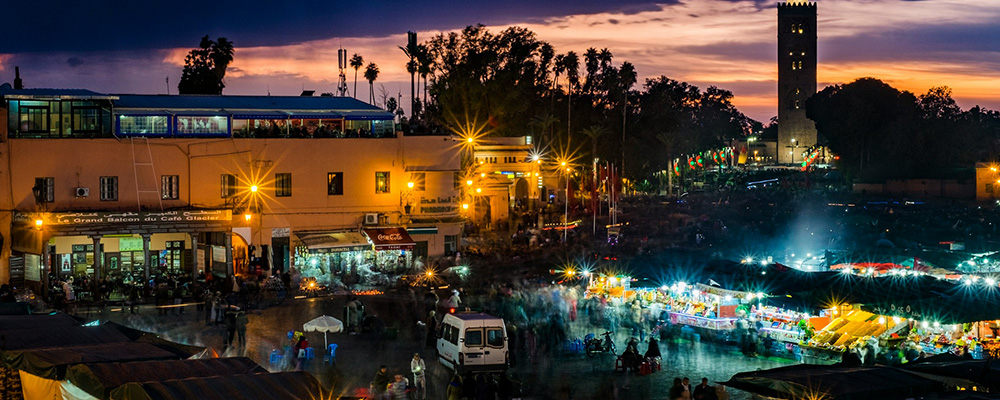
Souk Seffarine Marrakech
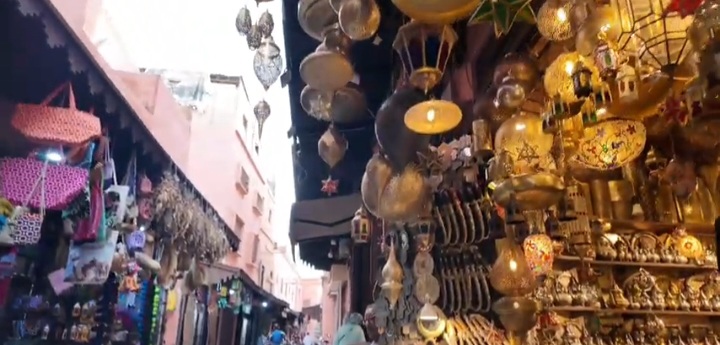
Discover Souk Seffarine in Marrakech: The World of Traditional Copper and Brass Craftsmanship
Exploring Souk Seffarine in Marrakech is an opportunity to discover one of the traditional metalworking trades of the Medina, where copper and brass are transformed into beautiful household objects and decorative pieces. If you would like to discover these artisan quarters with a local expert, explore our private Marrakech Medina walking tour or our guided Marrakech souks shopping tour. Visitors interested in Moroccan carpets can also discover our Marrakech carpet and rug shopping tour. Our guiding has been featured in the Rough Guide to Morocco and is recommended by Rick Steves. You can contact us directly through WhatsApp or use our booking form to arrange your visit. There is nothing to pay upfront.

What Is Souk Seffarine Famous For?
Souk Seffarine is associated with the traditional copper trade of Marrakech. The name Seffarine refers to the copper workers and their craft, an important part of the city's historic artisan economy.
For generations, Moroccan metalworkers have transformed sheets of metal into practical objects and decorative pieces. Their work combines experience, patience and an understanding of materials that cannot easily be replaced by industrial production.
As you explore this part of the Medina, look beyond the finished products displayed in shops. The real interest lies in understanding how a simple piece of metal becomes a teapot, serving tray, cooking vessel or decorative object.
Morocco has several historic metalworking quarters. It is important not to confuse Marrakech's Souk Seffarine with Place Seffarine in Fez, which is also famous for its traditional coppersmiths. Both cities have a rich metalworking heritage, but they are different places.
Copper and Brass: Understanding the Difference
Copper and brass are among the most recognizable materials used in Moroccan decorative metalwork. Although they can look similar in certain lighting conditions, they have different characteristics.
Copper
Copper is a reddish metal that can develop a darker, brownish or greenish surface over time. It has been used for centuries to make household utensils, large serving trays, cooking vessels and decorative objects.
Traditional copperwork can involve several stages, including cutting, shaping, hammering, engraving and polishing. The appearance of the finished object depends on the artisan's technique and the intended use.
Brass
Brass is an alloy made primarily from copper and zinc. It generally has a warmer yellow or golden appearance, which makes it particularly popular for decorative objects, lanterns, trays, bowls and ornamental details.
Moroccan artisans use different techniques to create patterns and textures on brass. Some pieces have a smooth polished surface, while others display intricate engraved or hammered decoration.
When shopping, remember that a golden colour does not automatically mean an object is solid brass. Some products are plated or finished to imitate the appearance of more expensive metals. Always ask the seller about the material and how the object was made.
How Moroccan Artisans Transform Metal by Hand
One of the most interesting aspects of traditional metalworking is the number of operations involved in producing a finished object.
1. Cutting and Preparing the Metal
The process begins with preparing a suitable sheet or piece of metal. The artisan measures and cuts it according to the shape and dimensions of the object being produced.
2. Hammering and Shaping
Hammering is one of the most recognizable techniques in traditional Moroccan metalwork. Using different tools, the craftsman gradually shapes the metal, creating curves, raised sections and the desired form.
This work requires control and experience. Repeated hammer blows must be carefully positioned to achieve an even shape without damaging the material.
3. Engraving and Decoration
Some objects are decorated with geometric patterns, floral designs and traditional ornamental details. These decorations may be engraved or created using small punches and specialized tools.
Handmade patterns can have small differences from one piece to another. These variations are part of the character of traditional craftsmanship.
4. Polishing and Finishing
Once the shaping and decoration are complete, the artisan works on the surface. Depending on the desired appearance, the object can be polished, cleaned or given a particular finish.
The result may be a bright decorative tray, a traditional serving dish, a brass lantern or a practical household object.
What Can You Discover and Buy in Souk Seffarine?
Traditional Moroccan metalwork comes in many forms. Some objects are designed for everyday use, while others are made primarily for decoration.
- Moroccan serving trays: Round copper and brass trays used for serving mint tea and traditional meals.
- Teapots: Decorative metal teapots, some with engraved details and traditional shapes.
- Bowls and basins: Different sizes of metal containers for household and decorative use.
- Decorative plates: Metal plates with geometric and floral patterns.
- Lanterns: Decorative lighting pieces featuring pierced metalwork.
- Cooking utensils: Traditional objects made for practical use in Moroccan kitchens.
- Decorative accessories: Smaller pieces suitable as gifts or souvenirs.
Before purchasing, consider whether you want an object for daily use or decoration. Check its weight, finish, construction and the quality of the details. Ask whether it is handmade, hand-decorated or manufactured using industrial methods.
Souk Seffarine and the Other Artisan Souks of Marrakech
One of the most fascinating things about Marrakech is the way traditional trades are distributed throughout the Medina. Different quarters are associated with different crafts, allowing visitors to discover several aspects of Moroccan craftsmanship during one walk.
Souk Haddadine: Blacksmiths and Metalworkers
Souk Haddadine is particularly interesting for visitors who enjoy traditional metalwork. It is associated with blacksmiths and workshops producing iron objects, gates, tools, lanterns and decorative pieces.
The sound of hammers striking metal gives this area a distinctive atmosphere. Unlike simply looking at finished products in a shop, here you may have the opportunity to observe some of the work taking place.
Copper, brass and iron are different materials, and each requires its own techniques. Discovering these crafts together helps visitors understand the variety of skills that have shaped the Medina.
Souk Zrabi: The Traditional Carpet Market
For another side of Moroccan craftsmanship, continue your discovery towards Souk Zrabi and the traditional carpet market.
This area is known for Moroccan rugs and carpets, including handwoven Berber pieces from different regions of the Atlas Mountains. You can discover different weaving styles, wool qualities, colours and traditional patterns.
Carpet weaving is very different from metalworking, but both crafts reflect the importance of skills passed between generations.
Souk Semmarine: The Main Shopping Street
Souk Semmarine is one of the main shopping arteries of the Marrakech Medina. It connects several important commercial areas and offers a wide variety of traditional Moroccan products.
Here you can find textiles, babouches, lanterns, clothing, decorative objects and many other products. It is also a useful starting point for visitors who want to explore the smaller specialized souks.
Rahba Kedima: Spices and Traditional Products
Rahba Kedima, also known as the Spice Square, offers a completely different experience.
Its stalls display colourful spices, herbs, traditional cosmetics, baskets and other Moroccan products. It is a wonderful place to discover the everyday commercial and cultural life of the Medina.
Souk Chouari: Woodworking and Traditional Crafts
Another interesting artisan area is Souk Chouari, associated with woodworking and traditional wooden objects. Visitors may discover carved pieces, decorative boxes and other products made using traditional carpentry skills.
These different souks demonstrate why the Marrakech Medina is much more than a shopping destination. Each quarter tells a different story about the people, materials and skills that have contributed to Moroccan craftsmanship.
How to Recognize Good Quality Copper and Brass Work
Not every metal object displayed in the Marrakech souks is made using the same techniques or materials. Some products are handmade, while others are produced in factories or imported.
If you are interested in buying an authentic piece, there are several things worth examining.
- Look at the details: Examine the decoration, edges and finishing. Handworked pieces may show subtle variations.
- Check the material: Ask whether the object is solid copper, solid brass, plated metal or another material.
- Examine the weight: Compare similar objects to understand differences in thickness and construction.
- Look at the joints: Check how handles, bases and other components are attached.
- Ask about the technique: Find out whether the object was hammered, engraved or decorated by hand.
- Compare before buying: Looking at several pieces helps you understand differences in quality and price.
Do not automatically assume that an old-looking finish means an object is antique. Some new products are deliberately treated to create an aged appearance.
A good purchase is not necessarily the most expensive one. It is the object that matches your expectations, material preference, quality requirements and budget.
When Is the Best Time to Visit the Metalworking Souks?
If you want to experience the artisan side of the Marrakech Medina, the morning is generally a good time to explore. Many shops begin opening around 9:00 a.m., and the atmosphere gradually becomes livelier as the day progresses.
For visitors interested in watching traditional work, arriving earlier can be useful because you have a better chance of seeing craftsmen at their benches during the working day.
Some small workshops close temporarily around lunchtime, particularly during prayer time. Friday can also be quieter around midday. Opening times vary from one artisan and shop to another.
For more practical information, see our complete guide: What Time Do the Souks Open and Close in Marrakech?
Discover the Real Artisan Medina with a Local Guide
The Marrakech Medina is a fascinating place, but finding the specialized artisan quarters is not always easy for first-time visitors. Many interesting workshops are located away from the busiest shopping streets, inside narrow alleys and traditional commercial passages.
At Visit Marrakech Medina, we have been guiding travellers through the old city since 2004. We specialize in authentic Medina experiences, traditional souks, artisan workshops and shopping discoveries.
Our aim is to help visitors understand what they are seeing, meet local craftsmen and discover the traditions behind Moroccan products. There is no obligation to buy anything, and shopping is never forced.
We offer different ways to discover the city:
- Private Marrakech Medina Walking Tour – discover the historic streets, hidden corners, traditional souks and local workshops.
- Marrakech Souks Shopping Tour – explore traditional products, artisan shops and trusted shopping areas.
- Marrakech Carpets and Rug Shopping Tour – discover Moroccan rugs, weaving techniques and traditional carpet craftsmanship.
- Discover all our Marrakech tours – choose the experience that suits your visit.
Visit our Visit Marrakech Medina homepage to discover our full range of authentic Marrakech tours.
Frequently Asked Questions About Souk Seffarine
What is Souk Seffarine famous for in Marrakech?
Souk Seffarine is associated with traditional copper craftsmanship. It represents an important part of Marrakech's historic artisan trades, where copper objects and decorative metalwork form part of the city's craft heritage.
What is the difference between copper and brass?
Copper is a reddish metal, while brass is an alloy made primarily from copper and zinc and usually has a yellow or golden appearance. Both materials are used in Moroccan decorative and household metalwork.
Can you buy handmade copper objects in Marrakech?
Yes. Marrakech has traditional metalworking shops and artisan workshops where visitors can discover copper and brass objects, including trays, bowls, teapots and decorative pieces. Always ask about the material and production technique before purchasing.
Is Souk Seffarine the same as Place Seffarine in Fez?
No. Place Seffarine in Fez is a famous historic coppersmiths' square. Marrakech also has its own Seffarine copper trade and artisan heritage. They are different locations in two Moroccan cities.
What other artisan souks should I visit in Marrakech?
Some interesting areas include Souk Haddadine for blacksmithing and metalwork, Souk Zrabi for carpets, Souk Semmarine for general shopping, Rahba Kedima for spices and Souk Chouari for woodworking.
What is the best time to visit the Marrakech artisan souks?
Morning is generally a good time, especially if you want to see artisans working. Many shops begin opening around 9:00 a.m., although individual workshop schedules vary.
Do I need a guide to discover the artisan souks?
You can explore the Medina independently, but a knowledgeable local guide can help you find specialized craft quarters, understand traditional techniques and discover workshops that are easy to miss when walking alone.
Discover Marrakech Beyond the Main Shopping Streets
Souk Seffarine is a reminder that the Marrakech Medina is not simply a collection of shops. It is a living world of traditional trades, family knowledge and craftsmanship that continues to shape the identity of the city.
From copper and brass objects to ironwork, carpets, textiles and wood carving, every artisan quarter offers something different to discover.
Would you like to explore these places with someone who knows the Medina? Contact Visit Marrakech Medina – The Best Shopping and Walking Tour Company in Marrakech.
WhatsApp: Message us directly on WhatsApp.
Booking: Contact us through our booking form.
Tell us when you are visiting Marrakech and what you would like to discover. We will help you arrange an authentic Medina experience. Nothing is paid upfront; you pay at the end of your tour.