
Souk Laghzal Wool
What Is Souk Laghzal in Marrakech?
Discover Souk Laghzal, the traditional wool souk of Marrakech Medina, and explore one of the specialised markets that reflect the old city's rich commercial and artisan traditions. Whether you are interested in Moroccan wool, traditional textiles, local craftsmanship or the history of the souks, this market offers an interesting insight into an important part of Marrakech's textile heritage. Explore the Medina with our Marrakech walking tour, discover the traditional markets on our Marrakech souks shopping tour, or explore Moroccan carpets with our carpet and rug shopping tour. We also offer a luxury shopping tour in Marrakech. Our guiding has been featured in Daniel Jacobs' The Rough Guide to Morocco and recommended by Rick Steves. Contact our team directly through WhatsApp or our booking form to arrange your Medina experience.
See our feature in The Rough Guide to Morocco.
Where Is Souk Laghzal Located?
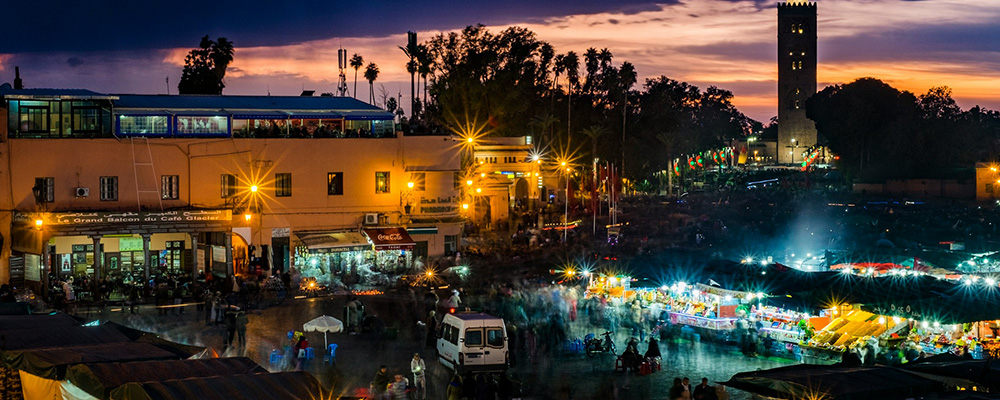
Souk Laghzal is located in the traditional souk district of Marrakech Medina, in the area around Rahba Kedima, the historic square also known as the Spice Square.
The market is part of the network of smaller commercial streets and specialised souks that extend beyond the main shopping routes. Its location makes it possible to explore several traditional markets during the same visit.
Nearby areas include Rahba Kedima, Souk Zrabi and Souk Semmarine. Each has its own commercial identity and offers a different perspective on the traditional organisation of Marrakech's old city.
Unlike the larger shopping streets, where visitors encounter a wide variety of merchandise, Souk Laghzal is traditionally associated with one particular material: wool.
Why Is It Called the Wool Souk?
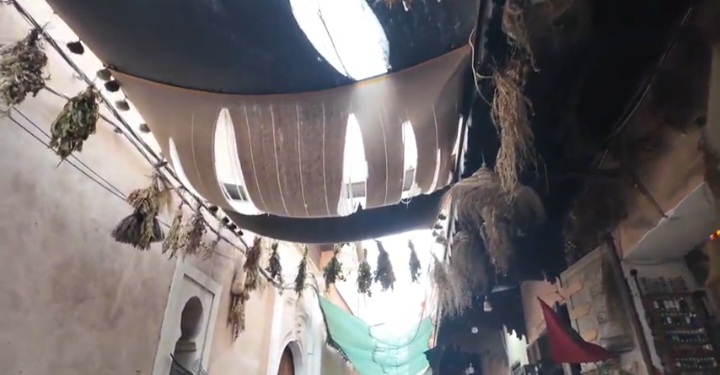
The name Souk Laghzal is associated with wool and its traditional trade in Marrakech. The market has historically been connected with the sale and distribution of wool, an important raw material in Moroccan textile production.
For generations, wool has played an essential role in everyday Moroccan life. It has been used to produce clothing, blankets, carpets, rugs and numerous other textile products.
Traditional markets in Marrakech often developed around particular occupations and materials. Some specialised in spices, others in leather, metalwork, textiles or finished products. This organisation allowed merchants, suppliers and artisans to work within a connected commercial network.
Souk Laghzal represents this traditional relationship between raw materials and the crafts that transform them into useful and decorative objects.
What Can You Find at Souk Laghzal?
Souk Laghzal is traditionally associated with wool and woollen merchandise. The exact products available can vary between merchants, but the market's identity is closely connected with the textile trade.
1. Traditional Moroccan Wool
Wool is one of the most important natural materials used in traditional Moroccan textiles. It is valued for its warmth, durability and versatility.
Depending on its preparation and intended use, wool can be transformed into different types of yarn and woven materials. Its quality, texture and thickness influence the final textile product.
2. Wool Yarn and Dyed Fibres
Wool yarn is essential for traditional weaving and carpet production. Different thicknesses and colours are selected according to the design and technique used by the artisan.
Dyed fibres also form part of the wider Moroccan textile tradition. Colours play an important role in the appearance of traditional carpets, blankets and woven fabrics.
3. Woollen Clothing
Wool has traditionally been used to make garments suited to Morocco's different climates. Traditional clothing can include warm djellabas and other woollen garments.
These products reflect the practical role of wool in Moroccan life, particularly during colder seasons.
4. Traditional Blankets and Textiles
Wool is also used in the production of blankets and household textiles. These products have traditionally been important in Moroccan homes, especially in regions where warm coverings are needed during colder months.
Traditional weaving techniques give these textiles their particular textures and appearances.
5. Wool for Moroccan Carpet Making
One of the most recognised uses of Moroccan wool is carpet weaving. Wool is the principal material used in many traditional Moroccan rugs, although techniques, patterns and styles vary from one region to another.
Some famous Moroccan carpet traditions include Beni Ourain, Azilal, Boujaad and Beni Mrirt. Each has its own characteristics, colours, weaving techniques and regional identity.
For visitors interested in finished carpets rather than the raw materials used to make them, the nearby carpet markets offer another part of the story. You can discover more in our dedicated Marrakech carpet and rug shopping guide.
How Is Wool Used in Traditional Moroccan Craftsmanship?
Wool production and textile craftsmanship involve several stages. Depending on the product, these can include cleaning, sorting, preparing, spinning, dyeing and weaving.
Each stage requires practical knowledge and experience. The preparation of the fibres influences the texture of the yarn, while the weaving technique determines the appearance and character of the finished textile.
In traditional carpet production, prepared wool is transformed into yarn and then woven or knotted into different designs. The finished carpet reflects the materials used, the techniques of the artisan and the regional traditions behind its design.
This is one reason why exploring the specialised markets of Marrakech is so interesting. Behind the products displayed in the shops is a much wider network of traditional occupations, materials and craftsmanship.
What Is the Difference Between Souk Laghzal and Souk Zrabi?
Although both markets are connected with the Moroccan textile and carpet tradition, they have different identities.
Souk Laghzal is traditionally associated with wool and wool products. Its importance comes from the trade in the material used in many traditional textiles.
Souk Zrabi is particularly known for Moroccan carpets and rugs. Visitors can discover finished carpets in different sizes, colours, patterns and regional styles.
Understanding this distinction helps visitors appreciate how the traditional souks are organised. The wool trade and the carpet trade are connected, but they represent different stages of the wider textile economy.
Read our dedicated guide to Souk Zrabi, the traditional carpet market of Marrakech.
Why Visit Souk Laghzal During Your Marrakech Stay?
Many visitors explore Marrakech by following the main shopping streets and the most popular tourist routes. However, the Medina is much more than its busy commercial avenues.
Its smaller specialised markets reveal another side of the city, where traditional materials, local trades and everyday commercial activities have shaped the life of the old neighbourhoods.
Souk Laghzal is particularly interesting for people who want to understand the relationship between wool, Moroccan textiles and traditional craftsmanship.
It is also a good opportunity to discover the commercial geography of the Medina and understand why different trades developed in particular areas.
Exploring these smaller markets with a knowledgeable local guide can help visitors understand the differences between the various souks and the products they specialise in.
Exploring Souk Laghzal and the Surrounding Markets
A visit to Souk Laghzal can be combined with several other traditional markets in central Marrakech Medina.
Rahba Kedima: The historic Spice Square is one of the most recognisable traditional market areas. It is known for spices, herbal products and the surrounding merchant shops.
Souk Zrabi: A traditional carpet market where visitors can discover Moroccan rugs and different regional weaving styles.
Souk Semmarine: One of the principal shopping streets of the Medina, with a wide variety of traditional products, clothing, textiles and handicrafts.
These markets illustrate the diversity of the old city's commercial activities and make an interesting route for visitors who want to explore beyond the main tourist streets.
Discover the Traditional Souks With Local Marrakech Guides
At Visit Marrakech Medina, we specialise in introducing visitors to the authentic character of the old city. Our local guiding team has been exploring and guiding visitors through the Medina since 2004.
We share firsthand knowledge of the traditional souks, artisan workshops, historic streets, local neighbourhoods, traditional crafts and everyday life in Marrakech.
Our tours are designed to help visitors understand the Medina, discover its hidden corners and learn about its traditional commercial activities without pressure to buy.
Choose from our private walking tour, souks shopping tour or carpet and rug shopping tour.
Discover our full range of authentic Marrakech tours on our homepage.
Frequently Asked Questions About Souk Laghzal
What does Souk Laghzal mean?
Souk Laghzal is commonly known as the Wool Souk of Marrakech. Its name is associated with wool and the traditional wool trade.
Where is Souk Laghzal in Marrakech?
It is situated in the central souk district of Marrakech Medina, around the traditional market area near Rahba Kedima.
What is Souk Laghzal famous for?
Souk Laghzal is traditionally associated with wool, wool yarn and wool products used in Moroccan textile and carpet craftsmanship.
Can you buy Moroccan wool at Souk Laghzal?
The market has a traditional association with wool trading and wool products. The exact merchandise available depends on the individual shops and merchants operating there.
Is Souk Laghzal a carpet market?
Not primarily. Souk Laghzal is traditionally associated with wool, while Souk Zrabi is particularly known for finished Moroccan carpets and rugs.
What other markets are near Souk Laghzal?
Rahba Kedima, Souk Zrabi and Souk Semmarine are among the traditional market areas that visitors can explore in the surrounding central Medina.
What is the best time to explore the souks?
Morning is generally a good time to explore Marrakech's traditional markets. However, individual merchants have different opening schedules. Read our complete guide to what time the souks open and close in Marrakech.
Can I discover Souk Laghzal with a local guide?
Yes. A local guide can introduce you to the traditional markets and explain the different occupations, products and commercial traditions of the Medina. Explore our Marrakech tours and group tour experiences.
Discover More of Marrakech Medina
Souk Laghzal is one example of the specialised markets that make Marrakech Medina so distinctive. From wool and textiles to carpets, spices, metalwork and traditional crafts, every part of the old city has its own commercial history.
Whether you want to explore the traditional markets, discover hidden streets or learn about the history and craftsmanship of Marrakech, our local team can help you experience the Medina from a different perspective.
Check our Marrakech tours available this week or explore our guide to the best things to do in Marrakech.
Contact us through WhatsApp or our booking form to arrange your experience.
Visit Marrakech Medina – The Best Shopping and Walking Tour Company in Marrakech.
Discover our full range of authentic Marrakech tours on our homepage.