
Place des Épices in Marrakech: Discover Rahba Kedima and the Traditional Spice Market
Place des Épices, also known as Rahba Kedima, is one of the most charming and colourful squares in the heart of Marrakech Medina. Surrounded by traditional spice shops, herbalists, woven baskets, straw hats and small cafés, this historic marketplace offers visitors a wonderful introduction to Moroccan commercial traditions. Located a short walk from Jemaa el-Fna Square, it is also an excellent starting point for discovering the surrounding souks, traditional riads and hidden streets of the old city. Explore this fascinating neighbourhood with our private Marrakech walking tour or discover its traditional markets through our Marrakech souks shopping tour. Contact us through WhatsApp or our Booking Form to arrange your visit. Our local guiding service has also been recommended by Rick Steves and featured in the Rough Guide to Morocco.
Where Is Place des Épices in Marrakech?
Place des Épices is located in the northern part of the central Marrakech Medina, within the traditional souk district. Its historical Moroccan name is Rahba Kedima, meaning the Old Square.
The square is approximately a 10-minute walk from Jemaa el-Fna, depending on your starting point and walking route. It is connected to several important commercial streets and traditional markets, making it one of the easiest places to include in a walking exploration of the Medina.
Unlike the narrow covered souk streets surrounding it, Place des Épices provides a relatively open space where visitors can stop, observe the merchants and enjoy the atmosphere of the traditional marketplace.
The easiest walking route from Jemaa el-Fna is to follow Souk Semmarine northwards and turn towards Rahba Kedima. The route passes through some of the most interesting shopping streets in the old city.
See the walking directions from Jemaa el-Fna to Place des Épices.
Why Is It Called Place des Épices?
The French name Place des Épices means Spice Square. It comes from the many traditional spice merchants and herbalists who have established their businesses around this marketplace.
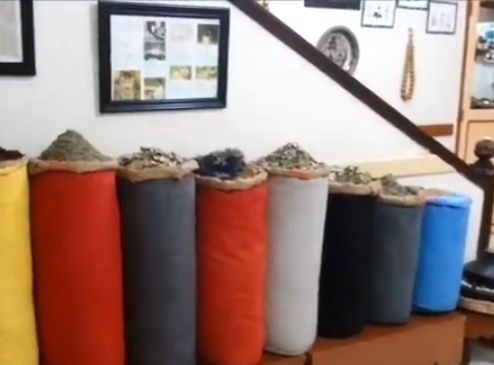
Visitors will find colourful displays of cumin, paprika, ginger, turmeric, cinnamon, pepper and Moroccan spice mixtures such as ras el hanout. The products are often arranged in attractive pyramids and open containers, creating one of the most recognisable scenes in Marrakech Medina.
However, the square is not exclusively a spice market. It is also known for traditional herbal products, natural cosmetics, woven baskets, straw hats and other everyday objects associated with Moroccan craftsmanship.
For generations, this commercial space has served as a meeting point for merchants, residents and visitors. Today, it remains an important part of the traditional souk experience.
The History of Rahba Kedima
Rahba Kedima is one of the historic commercial squares of Marrakech. Its position among the traditional souks made it an important meeting and trading area within the old city.
Historically, the square was associated with the sale and exchange of agricultural products and other merchandise. Wool, carpets and various goods were traded here, and traditional auctions formed part of its commercial history.
Its surroundings developed as an interconnected network of specialised markets, where merchants and craftsmen sold different products according to their trades.
Over the centuries, Marrakech's commercial activities evolved, and Rahba Kedima gradually became particularly associated with spices, herbal products and traditional market stalls.
Although tourism has influenced the appearance and commercial activities of the square, it remains an important meeting point in the living Medina.
What Can You Buy at Place des Épices?
Place des Épices is particularly interesting for visitors who want to discover Moroccan spices and traditional products. Several different types of merchandise can be found around the square.
Moroccan Spices
The spice shops offer a wide selection of ingredients used in Moroccan cooking. Among the most common are cumin, ginger, cinnamon, paprika, turmeric, black pepper and ras el hanout.
These ingredients are essential to many traditional Moroccan dishes, including tagines, couscous and different regional recipes.
Visitors can also discover spice mixtures prepared according to individual recipes and local traditions.
Traditional Herbalists and Natural Products
Another characteristic feature of the square is its traditional herbalist shops, often called attarine. These merchants sell dried plants, aromatic herbs, essential oils, incense and traditional cosmetic products.
Common products include Moroccan black soap, ghassoul clay, rose products, argan oil, alum stone and other traditional preparations.
Some herbalists explain the origins and traditional uses of their products, giving visitors an opportunity to learn about Moroccan household and beauty traditions. Always distinguish traditional claims from medically proven benefits.
Woven Baskets and Straw Hats
In the centre of Place des Épices, visitors can often find colourful displays of woven baskets, shopping bags, straw hats and other objects made using traditional weaving techniques.
Many of these products are made from palm leaves and other natural fibres. They are practical souvenirs and offer a glimpse into the traditional basket-making crafts found throughout Morocco.
Café des Épices: Enjoy a Rooftop View of the Square
One of the best-known places around Rahba Kedima is Café des Épices. Its rooftop terrace offers visitors a wonderful view over the square and the surrounding Medina rooftops.
It is a popular place to take a break after exploring the souks, enjoy a Moroccan mint tea, have lunch or simply watch the daily activities of the marketplace from above.
From the terrace, visitors can observe the movement of merchants, the colourful spice displays and the traditional atmosphere that makes this part of Marrakech so distinctive.
There are also other cafés and restaurants around the square, including places where visitors can enjoy a meal while looking out over the traditional market.
Find Café des Épices on Google Maps.
Hotels and Riads Near Place des Épices
Place des Épices is surrounded by traditional riads and guesthouses, making it a convenient location for visitors who want to stay in the heart of Marrakech Medina.
Some accommodation options in the surrounding Rahba Kedima area include:
- Riad Ecila: Located in the Rahba Lakdima neighbourhood, very close to Place des Épices and the traditional souks. Find Riad Ecila on Google Maps.
- Riad NaaNaa: Situated in Derb Aarjane, in the Place des Épices area, offering convenient access to the surrounding markets. Find Riad NaaNaa on Google Maps.
- RIAD Rahba Lkdima: A guesthouse located in the Rahba Lakdima neighbourhood, close to the historic spice square. Find the riad on Google Maps.
- Riad K: Located in the Nkhale neighbourhood, near the traditional souks and Place des Épices. Find Riad K on Google Maps.
- Riad Arjan: Situated in Derb Arjan, within the traditional market area around Rahba Kedima. Find Riad Arjan on Google Maps.
- Riad des Épices: Another accommodation option in the wider traditional souk neighbourhood, convenient for exploring the central Medina. Find Riad des Épices on Google Maps.
Most accommodation in this area is reached through narrow pedestrian streets. Taxis cannot generally drive directly to the doors of traditional Medina riads, so it is advisable to arrange arrival directions with your accommodation before travelling.
From Place des Épices to Jemaa el-Fna Square
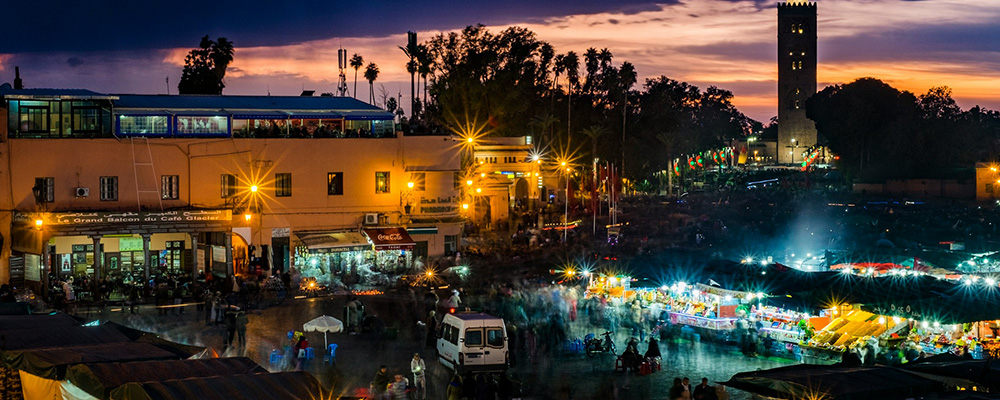
One of the advantages of visiting Place des Épices is its proximity to Jemaa el-Fna, the most famous square in Marrakech.
The two locations are connected by traditional commercial streets, particularly Souk Semmarine. Walking between them is an excellent way to discover the changing atmosphere of the Medina, from the specialised spice market to the busy central square.
Along the way, visitors encounter shops selling clothing, leather goods, traditional slippers, lanterns, textiles and many other Moroccan products.
Jemaa el-Fna is particularly lively in the late afternoon and evening, when food stalls, performers and storytellers contribute to its distinctive atmosphere.
For more information about the famous square, read our dedicated guide: Jemaa el-Fna Square in Marrakech.
Walking route from Place des Épices to Jemaa el-Fna.
Explore the Souks Around Place des Épices
Place des Épices is particularly well positioned for discovering several of Marrakech's most interesting traditional markets. The surrounding streets contain specialised souks, each with its own commercial history and characteristic products.
Souk Semmarine
Souk Semmarine is one of the principal commercial streets of Marrakech Medina. It connects the central area around Jemaa el-Fna with the northern souk district and offers a wide variety of traditional Moroccan products.
It is an excellent starting point for visitors who want to explore the shopping streets leading towards Place des Épices.
Souk Zrabi: The Traditional Carpet Market
Just beyond the Place des Épices area is the traditional carpet market, associated with Souk Zrabi and the historic Criée Berbère.
This area is particularly interesting for visitors wanting to discover Moroccan rugs, Berber weaving traditions and carpets from different regions of the country.
For a more detailed introduction, read our Marrakech carpets and rug shopping tour.
Souk Haddadine: The Metalworkers' Market
Souk Haddadine is the traditional metalworkers' market, where visitors can discover workshops producing decorative metal objects, lanterns, lamps and other handcrafted items.
It offers a different experience from the spice and carpet markets and provides an opportunity to observe traditional Moroccan craftsmanship.
Souk Semmarine and the Surrounding Artisan Streets
The wider commercial district also connects to smaller specialised markets selling leather products, babouches, textiles, traditional clothing and decorative objects.
Exploring these streets with someone who knows the Medina helps visitors understand how the different markets connect and where to find particular crafts.
Discover more with our Marrakech souks and shopping guide.
Nearby Historical Attractions Worth Discovering
Place des Épices is also a convenient starting point for visiting several important cultural and historical attractions in the northern Medina.
- Ben Youssef Madrasa: One of the most impressive examples of traditional Moroccan Islamic architecture, famous for its decorated courtyards, carved cedar wood and intricate zellige tilework.
- Almoravid Koubba: A remarkable historical monument associated with the Almoravid period and one of the oldest surviving architectural structures in Marrakech.
- Musée de Marrakech: Located in the historic centre of the Medina, this museum presents Moroccan art, architecture and cultural heritage.
- Le Jardin Secret: A beautifully restored traditional garden in the Mouassine neighbourhood, offering an opportunity to discover Moroccan garden design and historic water systems.
These attractions can be combined with a visit to the spice square to create an interesting walking itinerary through the northern Medina.
When Is the Best Time to Visit Place des Épices?
Place des Épices can be visited throughout the year. However, the morning is particularly pleasant for exploring the spice shops and traditional market stalls.
During the morning, visitors can take their time looking at the products, speaking with merchants and discovering the surrounding souks before the busiest hours.
The afternoon offers a different atmosphere, with visitors enjoying the cafés and rooftop terraces while observing the activities around the square.
Opening times vary between individual merchants. Most activity takes place during the daytime, although some shops close or reduce their activity around Friday prayers.
The square itself is a public space and does not require an entrance ticket.
Practical Tips for Visiting the Spice Market
- Compare before buying: Visit a few different shops before deciding where to purchase spices or traditional products.
- Ask about quantities: Make sure you understand whether the price is for 100 grams, a smaller quantity or a complete package.
- Check the saffron: Very inexpensive products presented as genuine saffron may be substitutes such as safflower. Buy from a reputable seller.
- Ask before taking photographs: Some merchants prefer visitors to ask permission before photographing their stalls or products.
- Do not feel pressured: You can look around, ask questions and enjoy the market without having to purchase anything.
- Bring cash: Cash is useful for small purchases in the traditional souks.
Discover Place des Épices with a Local Marrakech Guide
Place des Épices is much more than a picturesque square filled with colourful spice displays. It is part of a wider commercial neighbourhood where traditional markets, artisan workshops, historic streets and local businesses have developed together over generations.
Understanding the connections between Rahba Kedima, Souk Zrabi, Souk Semmarine, Souk Haddadine and Jemaa el-Fna makes exploring Marrakech much more rewarding.
At Visit Marrakech Medina, we specialise in authentic Marrakech walking and shopping tours. We help visitors discover the real Medina, understand its traditional markets, meet local artisans and explore hidden streets without pressure or forced shopping.
Whether you are staying near Place des Épices, visiting from a nearby riad or discovering Marrakech for the first time, we would be delighted to help you experience the authentic side of the old city.
Discover our full range of authentic Marrakech tours on our homepage, including our private walking tours and traditional souk shopping experiences.
Planning your visit to Place des Épices? Contact us directly through WhatsApp or send your request using our Booking Form. We will be happy to help you discover Marrakech with a knowledgeable local guide.