
Where to Find Handmade Ceramics in Marrakech | Local Artisan Guide
Where to Find Handmade Ceramics in Marrakech
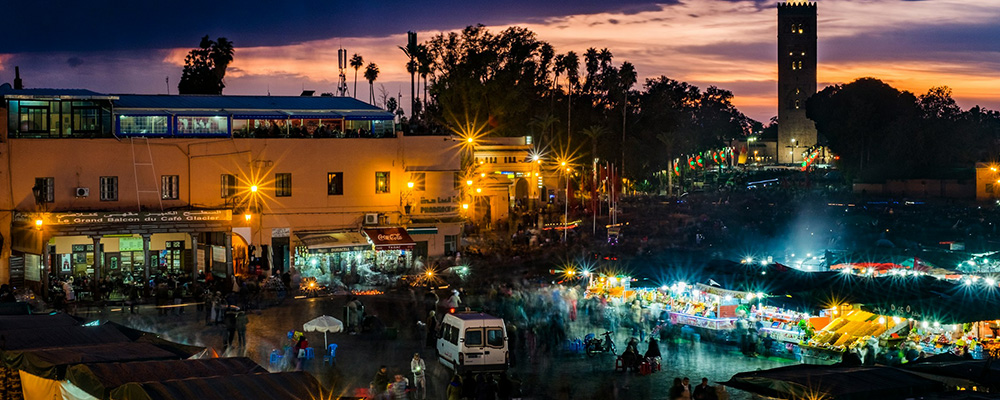
Marrakech, the beating heart of Morocco, is a place where the past and the present blend seamlessly in a rhythm of colors, textures, and sounds. Its winding alleys, bustling souks, and timeless craftsmanship tell stories of generations who shaped clay, painted patterns, and brought to life one of Morocco’s most beautiful art forms—ceramics. Whether you are looking for decorative pottery, everyday tableware, or handmade tilework, Marrakech is a paradise for ceramic lovers. In this article, we’ll dive into where to find the best handmade ceramics in Marrakech, how to recognize true craftsmanship, and how to buy with confidence like a local.
The Timeless Art of Moroccan Ceramics
The art of pottery in Morocco dates back over a thousand years. Long before Marrakech rose to prominence, Berber tribes and Andalusian artisans mastered the skills of shaping and glazing clay. Each region in Morocco developed its own ceramic identity—Fès is known for its blue patterns, Safi for its coastal-inspired designs, and Marrakech for its earthy red tones and colorful geometric motifs. Marrakech artisans have historically drawn inspiration from the city’s own red walls, desert landscape, and Islamic geometry. Their ceramics are a beautiful blend of utility and aesthetics—tagines for cooking, tiles for building, and intricate bowls for decoration.
When you buy handmade ceramics in Marrakech, you’re not simply purchasing an object; you are holding a piece of living heritage. Each bowl, vase, or tile represents countless hours of patient work—mixing clay, drying under the sun, painting with natural pigments, and firing in wood or gas kilns. The imperfections, far from flaws, are marks of authenticity, reminding you that a human hand, not a machine, created it.
Understanding Marrakech’s Ceramic Culture
Ceramics in Marrakech are deeply woven into the city’s daily rhythm. You’ll find them in every household, restaurant, riad, and courtyard. The city’s rich ceramic culture stems from two sources: tradition and trade. Artisans have long sold their pottery in the Medina’s souks, where locals and travelers mingle. Many of these artisans come from families who have passed down the craft for generations, often working from modest workshops just outside the city center.
What makes Marrakech’s ceramics unique is their fusion of tradition with modern creativity. While you can find classical Moroccan motifs—stars, flowers, geometric patterns—you can also find contemporary reinterpretations in muted tones or minimalist designs. This balance makes Marrakech an ideal destination for both collectors and casual shoppers.
Best Areas to Buy Handmade Ceramics in Marrakech
If you want to find the most authentic handmade ceramics, you need to know where to look. Not every stall that sells “Moroccan pottery” offers real artisanal work. Some items are imported, mass-produced, or painted elsewhere. Below are the best areas where you can discover genuine handmade pieces.
Souk el Attarine
Souk el Attarine is one of the most picturesque areas of the Medina, famous for its scents of spices, perfumes, and handcrafted goods. Amid the vibrant stalls, you’ll find several vendors specializing in hand-painted ceramic plates, bowls, and tajines. These shops often work directly with artisans, ensuring authenticity. Visit early in the morning, when the streets are still quiet, and shopkeepers are arranging their displays of colorfully glazed dishes that shimmer under the Moroccan sun.
Rue de la Kasbah and the Mellah
South of Jemaa el-Fna lies Rue de la Kasbah and the Mellah, Marrakech’s historic Jewish quarter. This area is often overlooked by tourists, making it an excellent spot for discovering true craftsmanship without the crowds. Small family-run workshops display stacks of earthy pottery and hand-painted bowls. Some artisans here still use traditional clay ovens, and you can sometimes see them at work shaping wet clay into elegant forms. The slower pace of this district allows for genuine conversations with artisans and a more personal buying experience.
Sidi Ghanem Industrial Zone
If you want to see where tradition meets modernity, head to Sidi Ghanem. Located just outside the Medina, this district is a hub for Marrakech’s contemporary artisans and designers. Inside converted warehouses, workshops, and boutiques, you’ll find high-quality ceramic studios that combine traditional methods with modern design. One standout is Atelier Lamsaty Handmade, run by local women artisans who craft elegant pottery and offer visitors the chance to participate in ceramic workshops. Sidi Ghanem is ideal for those looking for unique, design-forward pieces rather than mass-market souvenirs.
Ensemble Artisanal on Avenue Mohammed V
For a calm, fixed-price experience, the Ensemble Artisanal is one of the best places to buy ceramics without haggling. This government-supported cooperative ensures that all products sold here are genuinely handmade in Morocco. It’s a great choice if you prefer a stress-free shopping experience, knowing that your purchase directly supports Moroccan artisans. You’ll find a wide selection of ceramic plates, bowls, tiles, and decorative pieces, each labeled with its origin.
How to Recognize Authentic Handmade Ceramics
With so many shops selling ceramics, it’s essential to distinguish between handmade and factory-made items. Here’s how to identify genuine craftsmanship.
1. Look for Imperfections
Handmade pottery will have slight irregularities in shape, thickness, or color. These small variations show that each piece was made individually, not molded by a machine.
2. Feel the Weight and Texture
Real handmade ceramics are often heavier and feel more substantial. The texture may be slightly uneven to the touch. Glazes will have a soft, natural sheen rather than a glossy, plastic-like finish.
3. Examine the Bottom
Turn the piece over and look at the base. You might see fingerprints, initials, or a rougher surface—clear signs of handcrafting. Machine-made items usually have uniform, polished bases.
4. Ask the Seller Directly
Don’t hesitate to ask questions: “Is this made in Marrakech?” or “Do you work with the artisan?” Genuine sellers are usually proud to tell you the story of the maker and even show photos of the workshop.
5. Observe the Design
Traditional Moroccan ceramics use geometric and floral motifs that often carry symbolic meaning. If the designs look printed or too uniform, they’re likely machine-produced. Hand-painted ceramics will have subtle brush variations and unique color tones.
Best Time to Visit the Ceramic Markets
The souks of Marrakech open around 9:30 in the morning and close by 8:00 in the evening, though some shops stay open later, especially during busy seasons. The best time to shop for ceramics is mid-morning, between 10:00 and 12:00. Artisans are fresh, displays are well-arranged, and the light is perfect for seeing true glaze colors. Avoid the peak midday hours when the narrow streets can become hot and crowded. Evening visits, especially before sunset, can be magical—the warm light enhances the beauty of ceramic displays, and shopkeepers are often more open to offering discounts at the end of the day.
Exploring Beyond the Medina
While the Medina is the soul of Marrakech, exploring outside the city walls can lead you to even more authentic pottery experiences. Small villages around Marrakech, such as Tameslouht or Safi, are known for pottery-making. Safi, in particular, is Morocco’s pottery capital, just a few hours from Marrakech. Many artisans in Marrakech source their raw materials from Safi and even travel there for large-scale production. If you have time, visiting Safi’s potters’ quarter offers deep insight into the full process of Moroccan ceramics—from clay preparation to firing.
Workshop Visits and Pottery Classes
For travelers who want to go beyond buying and actually experience the craft, several workshops in Marrakech offer pottery and ceramic-painting sessions. These experiences not only let you create your own souvenir but also connect you directly with the artisan’s world.
Atelier Lamsaty Handmade in Sidi Ghanem is a popular choice. Run by local sisters, the atelier provides guided ceramic-making experiences. You can spend a few hours learning how to mold, paint, and glaze your piece, then pick it up the next day after firing.
Another excellent option is Pottery Class Marrakech, which focuses on traditional Moroccan patterns and techniques. You’ll sit alongside experienced artisans who share stories of their craft, giving you a deeper appreciation for the work that goes into each ceramic piece.
Tips for Buying Ceramics in Marrakech
Buying ceramics in Marrakech is not just a transaction—it’s an experience. Here’s how to make the most of it.
1. Take Your Time
Don’t rush your purchase. Walk through several shops before deciding. Compare styles, prices, and quality.
2. Negotiate Respectfully
Bargaining is part of Moroccan culture. Always smile and stay polite. If you show genuine interest, sellers often give better deals. A good rule is to start around 60% of the asking price and work upward.
3. Check for Cracks or Chips
Before buying, inspect the item carefully. Run your fingers along the edges and glaze. Even small cracks can expand during travel.
4. Ask About Packing
Most sellers will pack ceramics securely in newspaper, cardboard, and plastic wrap. For fragile or large items, ask for extra protection or professional shipping.
5. Support Small Artisans
Whenever possible, buy directly from artisans or small cooperatives. Your purchase supports their livelihood and helps preserve this ancient craft.
What Types of Ceramics to Buy
Marrakech offers a wide variety of ceramics, from simple functional pieces to elaborate works of art.
Tagines
The classic Moroccan cooking pot, tagines are both practical and decorative. They come in plain clay for cooking and colorful glazed versions for serving.
Bowls and Plates
Hand-painted bowls and plates in bright blues, greens, yellows, and reds are perfect for everyday use or as wall décor.
Tiles (Zellij)
Zellij tiles, with their intricate geometric patterns, are ideal for home decoration. Many shops offer ready-made panels that can be used as tabletops or wall art.
Vases and Decorative Pieces
For something elegant, consider large vases or sculptural pieces that reflect both Moroccan design and modern creativity.
The Story Behind the Colors
The colors in Moroccan ceramics are not random; they carry meaning. Blue represents protection and spirituality, green symbolizes Islam and fertility, yellow stands for warmth and energy, and red reflects Marrakech itself—the Red City. The combination of these hues creates a sense of harmony and beauty that defines Moroccan design.
Ethical and Sustainable Shopping
In recent years, more artisans have embraced sustainable practices—using natural clay, lead-free glazes, and recycled packaging. When shopping, look for workshops or cooperatives that prioritize ethical production. Buying sustainable ceramics not only supports the environment but also ensures fair wages for artisans.
Bringing Ceramics Home Safely
If you’re traveling by plane, ceramics can be fragile. Pack them carefully in your suitcase between clothes or towels. For large or valuable pieces, ask the shop to ship them directly. Many shops in Marrakech collaborate with international couriers experienced in handling fragile items. Keep receipts and shop contact information in case you need to follow up.
The Deeper Meaning of Craft
Buying handmade ceramics in Marrakech is more than collecting souvenirs. It’s about connecting with the artisans, understanding their stories, and carrying home a tangible memory of Marrakech’s heart. Each piece reminds you of the Medina’s colors, the rhythm of the souks, and the spirit of a city that has been shaping beauty from clay for centuries.
Conclusion
Marrakech is not just a city—it’s a living workshop of art and culture. From the bustling alleys of the Medina to the peaceful ateliers of Sidi Ghanem, the city offers endless opportunities to discover authentic handmade ceramics. Take your time, learn the stories behind the pieces, and buy with respect and appreciation. When you bring a ceramic from Marrakech into your home, you’re not just decorating your space—you’re preserving a tradition that has endured for generations.
Book Your Authentic Shopping Tour
Discover the hidden workshops and local artisans of Marrakech’s Medina with an experienced guide. Book a personalized Shopping Tour of Marrakech with Rachid Boussalem, your trusted local expert with over 20 years of experience. Explore the souks safely, meet real artisans, and take home ceramics with a story.
+212 614 905 398 (WhatsApp)
www.visit-marrakech-medina.com