
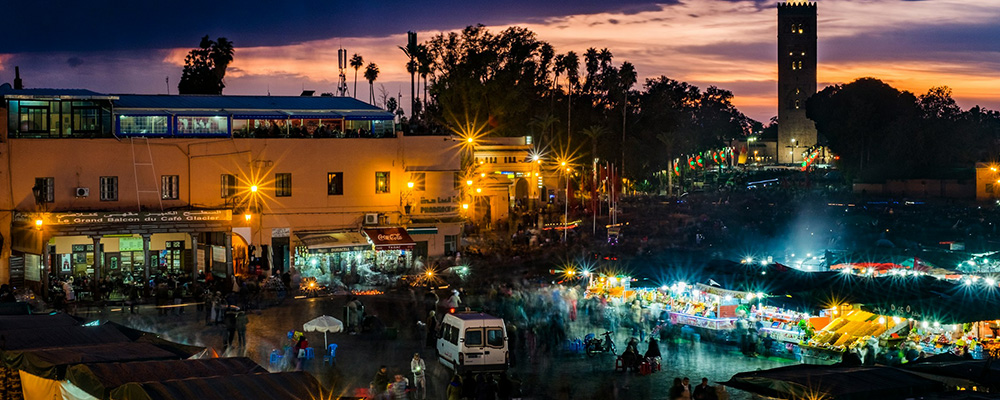
Where to Buy Rugs and Carpets in Marrakesh
.jpeg)
Where to Buy Rugs and Carpets in Marrakesh: A Complete Guide to Finding Authentic Moroccan Rugs
If you are looking for where to buy rugs and carpets in Marrakesh, you are about to discover one of the most fascinating shopping experiences in Morocco. The city is famous worldwide for its handmade carpets, Berber rugs, traditional textiles, and centuries-old artisan craftsmanship. However, finding a truly authentic Moroccan rug is not always easy, especially for first-time visitors who do not know the difference between handmade and factory-made carpets, genuine wool and synthetic materials, or fair prices and inflated tourist prices. For visitors who want an authentic experience, joining a local rug shopping tour in Marrakesh is one of the best ways to discover the hidden world of Moroccan carpets. A local guide can take you beyond the crowded tourist shops, introduce you to trusted artisans and family-run workshops, explain the history behind each type of rug, help you understand quality, and make sure you have a comfortable and transparent shopping experience. Many visitors enter the souks feeling overwhelmed because hundreds of rugs look beautiful at first glance, but knowing what makes a rug valuable requires local knowledge and experience. Marrakesh has been a center of Moroccan craftsmanship for centuries. The narrow streets of the Medina are filled with workshops where artisans continue techniques passed down from generation to generation. From the colorful markets around Jemaa el-Fna to the hidden carpet stores inside the old city, visitors can find everything from thick Beni Ourain wool rugs from the Atlas Mountains to delicate Boujad carpets, colorful Azilal designs, and elegant handwoven textiles created by Berber women. A rug purchased in Marrakesh is not just a decoration for your home. It is a piece of Moroccan culture, a handmade artwork, and a connection to the communities that preserve these traditional skills. But to make the right choice, it is important to know where to shop, what to look for, and how to avoid common mistakes.
If your main interest is discovering the finest Moroccan rugs and carpets only, we recommend checking out our specialized Rugs & Carpets Shopping Tour, designed to showcase authentic handwoven treasures and traditional craftsmanship.
Why Marrakesh Is One of the Best Places in Morocco to Buy Rugs
Marrakesh has always been one of Morocco’s most important destinations for traditional crafts. For hundreds of years, merchants, travelers, and collectors have visited the city to discover Moroccan textiles, carpets, leather products, ceramics, and handmade decorations. The city’s location made it an important meeting point between different regions of Morocco. Traders from the Atlas Mountains, the Sahara, and rural villages brought their handmade products to the markets of Marrakesh. This created a unique environment where visitors can find rugs representing many different Moroccan traditions in one place. Unlike modern mass-produced carpets, Moroccan rugs are often made by hand using traditional methods. Many are created by women artisans in mountain villages who spend weeks or even months weaving each piece. The designs often reflect personal stories, local traditions, nature, and cultural symbols. This is one of the reasons why shopping for a Moroccan rug in Marrakesh is different from buying a regular carpet anywhere else in the world. You are not simply purchasing an object; you are bringing home a piece of Moroccan heritage.
The Best Places to Buy Rugs and Carpets in Marrakesh
When visitors ask where to buy rugs in Marrakesh, the answer depends on what type of experience they want. Some travelers prefer exploring the traditional souks, while others prefer visiting specialized carpet houses or artisan cooperatives.
The Carpet Souks Inside Marrakesh Medina
The Medina is the heart of traditional rug shopping in Marrakesh. Walking through the old city, you will find many carpet shops hidden inside small streets and historic buildings. The famous carpet areas around the souks offer thousands of choices, from vintage rugs to newly made Berber carpets. Many shops have large collections stored inside, and the experience often begins when a shopkeeper invites you to sit, drink Moroccan mint tea, and look through different carpets. However, the large number of shops can also make shopping confusing. Some stores are designed mainly for tourists, and prices may vary significantly depending on the customer. This is why having a local guide can make a major difference. A knowledgeable guide understands the market, knows reputable sellers, and can help visitors focus on quality instead of only appearance.
Artisan Workshops and Family-Owned Rug Stores
One of the best ways to discover authentic Moroccan carpets is by visiting artisan workshops and family-owned stores. These places often have direct relationships with weavers and communities producing the rugs. Visitors can learn how the rugs are created, see different types of wool, understand weaving techniques, and sometimes meet artisans who explain the meaning behind their designs. Buying directly from trusted artisans also gives travelers a deeper connection with their purchase. Instead of simply buying a carpet from a shop, they learn the story behind the piece.
Cooperative Shops in Marrakesh
Some visitors prefer shopping from cooperatives because they want to support local communities, especially women artisans. Cooperatives can provide information about where rugs come from and how they are produced. They are also useful for travelers who want more transparency about materials and craftsmanship. However, even when visiting cooperatives, it is still important to understand quality differences because not every rug has the same value.
Why a Local Guide Is Important When Buying a Moroccan Rug
Buying a rug in Marrakesh can be an unforgettable experience, but it can also become stressful without the right information. Many visitors do not know how to evaluate a carpet, how much it should cost, or whether they are purchasing an authentic handmade product. A local rug shopping guide can help in several ways: First, a guide saves time. Instead of walking through dozens of shops without knowing where to go, visitors can visit trusted places that match their preferences and budget. Second, a guide helps explain the differences between rugs. For example, a thick wool Beni Ourain rug has different characteristics from a colorful Azilal carpet or a flat-weave kilim. Third, a guide helps with communication. Many artisans and shop owners speak Moroccan Arabic or French, and having someone who understands the culture makes the conversation easier. Finally, a guide helps create a more relaxed experience. Visitors can enjoy the beauty of Moroccan rugs without feeling pressured or confused. A professional Marrakesh rug shopping tour is especially valuable for travelers who are buying a large carpet, because mistakes can become expensive. A small difference in quality, material, or authenticity can change the value of a rug significantly.
The Different Types of Moroccan Rugs You Can Buy in Marrakesh
One of the most exciting parts of buying a rug in Marrakesh is discovering the incredible variety of styles created by different Moroccan regions and communities. Every rug has its own personality, history, and method of production. Understanding the main types will help you choose a carpet that matches your taste, your home, and your expectations.
Beni Ourain Rugs: The Famous White Moroccan Wool Rugs
Beni Ourain rugs are among the most recognized Moroccan carpets worldwide. They are traditionally made by Berber women from the Atlas Mountains using natural sheep wool. Their famous design usually features a cream or ivory background with black or brown geometric lines. These rugs became popular because of their simple, elegant appearance. They work well with modern, minimalist, and Scandinavian-style interiors. A genuine Beni Ourain rug is usually thick, soft, and handmade. When buying a Beni Ourain rug in Marrakesh, it is important to check the wool quality. Some rugs sold as “Beni Ourain” are actually machine-made or made with synthetic fibers. A local expert can help you identify authentic pieces.
Azilal Rugs: Colorful Handmade Moroccan Carpets
Azilal rugs come from the Azilal region in the High Atlas Mountains. They are known for their vibrant colors, creative patterns, and unique artistic expression. Unlike some traditional rugs that follow strict patterns, Azilal carpets often allow weavers more freedom. Each piece can be different, with combinations of colors, symbols, and abstract designs. These rugs are perfect for people who want a strong decorative piece that brings personality and Moroccan character into their home.
Boujad Rugs: Warm Colors and Traditional Designs
Boujad rugs are another popular style found in Marrakesh markets. They usually come from the Haouz and Boujad regions of Morocco. They are famous for warm colors such as pink, orange, red, and purple. Many Boujad carpets include symbolic patterns connected to Berber traditions. Because every rug is handmade, no two Boujad carpets are exactly identical. This makes them attractive for collectors and travelers looking for something unique.
Kilim Rugs: Flat-Weave Moroccan Carpets
Moroccan kilim rugs are flat-woven carpets that are lighter and thinner compared to thick pile rugs. They are practical, easy to transport, and often feature geometric designs. They can be used as floor coverings, wall decorations, or even furniture accessories. Their lighter weight also makes them easier for international travelers who plan to ship their purchases home.
Cactus Silk Rugs (Sabra Rugs)
Sabra rugs are made from cactus silk, a traditional Moroccan textile material. They are known for their shiny appearance, softness, and elegant texture. Many visitors love Sabra rugs because they have a luxurious look and are different from traditional wool carpets. They are often used as decorative pieces, cushions, and wall hangings. However, buyers should understand that not every “cactus silk” rug is made entirely from natural materials. Asking questions about the production process is important.
How Moroccan Rugs Are Made
Understanding how Moroccan rugs are made helps visitors appreciate their value. Handmade carpets require patience, skill, and experience. Traditionally, the process begins with preparing the wool. Sheep wool is cleaned, spun into yarn, and sometimes naturally dyed using plants, minerals, or other traditional materials. The weaver then creates the carpet using a traditional loom. Depending on the size and complexity of the design, a single rug can take weeks or even months to complete. Many Moroccan rugs are created by women artisans in rural villages. For them, weaving is not only a craft but also a way to preserve cultural traditions and support their families. When you purchase an authentic handmade rug in Marrakesh, you are supporting these artisans and helping maintain a tradition that has existed for generations.
How to Recognize an Authentic Handmade Moroccan Rug
Many visitors ask: “How can I know if a Moroccan rug is real?” This is one of the most important questions before making a purchase. Here are some signs of a handmade rug: A handmade rug is usually not perfectly symmetrical. Small variations are normal and show the human work behind the piece. The back of the rug should show details of the weaving. Machine-made carpets often have a very uniform appearance. Natural wool has a different feeling and texture compared with synthetic fibers. Authentic wool rugs are usually softer and have more character. The quality of the knots and weaving should also be examined. A well-made rug feels strong and balanced. However, identifying authenticity is not always easy for someone visiting Morocco for the first time. This is another reason why a local rug shopping guide can be valuable.
How Much Do Rugs Cost in Marrakesh?
The price of Moroccan rugs varies widely depending on several factors:
Size
Material
Age
Region of origin
Quality of wool
Complexity of the design
Time required to make the rug Small decorative rugs can sometimes be affordable, while large handmade wool carpets can cost several hundred or even thousands of dollars. A common mistake among visitors is looking only at the price. The cheapest rug is not always the best value. A high-quality handmade carpet can last for decades and become a valuable piece for your home. When shopping in Marrakesh, it is better to focus on craftsmanship and authenticity rather than simply searching for the lowest price.
Can You Negotiate the Price of a Rug in Marrakesh?
Negotiation is part of Moroccan shopping culture, especially in traditional markets. However, successful negotiation requires respect and understanding. Many visitors make the mistake of trying to reduce the price aggressively without understanding the work involved in creating the rug. A better approach is to learn about the rug first, ask questions, compare options, and have a friendly conversation with the seller. A local guide can help visitors understand whether a price is reasonable and communicate effectively with sellers.
Common Mistakes Tourists Make When Buying Rugs in Marrakesh
Buying a Moroccan rug should be an enjoyable experience, but visitors sometimes make mistakes that lead to disappointment. One common mistake is buying too quickly. Many travelers fall in love with the first carpet they see and later discover another style they prefer. Another mistake is focusing only on appearance. A beautiful design does not always mean excellent quality. Some tourists also buy without asking about the material, origin, or production method. Taking time to learn before purchasing is one of the best ways to make a good decision.
Where Do Locals and Experienced Buyers Shop for Rugs in Marrakesh?
When searching for where to buy rugs and carpets in Marrakesh, many visitors automatically go to the busiest tourist streets. While the Medina souks are an excellent place to start exploring, experienced buyers often look beyond the most visible shops. The best rug shopping experiences usually happen in places where there is a direct connection between the seller, the artisans, and the communities that produce the carpets. Many trusted carpet sellers in Marrakesh have been working with weaving families for generations. They understand the origins of different rugs and can explain the story behind each piece. A local guide who has experience with Moroccan crafts can help visitors discover these places. Instead of spending hours comparing hundreds of carpets without knowing the differences, travelers can visit selected shops where quality and authenticity are the priority. For someone buying a Moroccan rug for the first time, this local knowledge can make the difference between buying a beautiful handmade carpet and buying a product that only looks traditional.
The Difference Between Tourist Rug Shops and Authentic Carpet Sellers
One of the biggest challenges when buying rugs in Marrakesh is understanding the difference between a professional carpet seller and a shop that mainly targets tourists. Many tourist-oriented shops have impressive displays and large collections. Some offer tea, demonstrations, and beautiful presentations. However, the presentation alone does not guarantee the quality of the rug. An authentic carpet seller should be able to explain:
Where the rug was made
Which region it comes from
What material was used
How long it took to produce
Whether it was handmade
How to care for it A trustworthy seller does not need to pressure customers into buying immediately. Buying a rug is a personal decision, and visitors should have time to choose the right piece. A guided rug shopping tour in Marrakesh allows travelers to enjoy the experience while having someone explain these important details.
How to Avoid Fake or Low-Quality Moroccan Rugs
Because Moroccan rugs are popular internationally, the market has also seen an increase in imitation products. Some carpets are made outside Morocco but marketed as Moroccan, while others use synthetic materials but are presented as handmade wool rugs. Here are some things to consider before buying:
Check the Material
Real wool has a natural softness and warmth. Synthetic fibers often feel different and may look too perfect.
Look at the Weaving
Handmade rugs usually have small irregularities because they are created by human hands. Perfect repetition can sometimes indicate machine production.
Ask About the Origin
A good seller should be able to explain where the rug comes from and what tradition it represents.
Do Not Judge Only by Appearance
A rug can look beautiful but still have poor quality. The value comes from craftsmanship, materials, and authenticity. Having a local expert with you can help you ask the right questions and understand what you are purchasing.
Buying a Rug in Marrakesh as an International Visitor
Many travelers worry about buying a large carpet because they do not know how they will take it home. The good news is that buying rugs in Marrakesh is very common for international visitors. Most established rug sellers have experience shipping carpets worldwide. They can organize packaging, transportation, and export procedures. Before buying, visitors should ask about:
Shipping costs
Delivery time
Insurance options
Packaging methods
Customs requirements in their country A quality rug shop should be transparent about these details. A local guide can also help explain the process and make sure visitors understand all costs before completing their purchase.
Shipping Moroccan Rugs Internationally
A Moroccan rug can travel thousands of kilometers and become a special memory of your trip. Many visitors from the United States, Canada, Europe, Australia, and Asia purchase carpets in Marrakesh and have them delivered directly to their homes. Professional shipping usually includes careful folding, protective packaging, and documentation when required. Before confirming a purchase, it is recommended to measure the space where the rug will be placed at home. Many travelers buy carpets that look perfect inside a large Moroccan shop but are too big or too small for their room. Taking photos and measurements before your trip can help you choose the right size.
Why a Rug Shopping Tour in Marrakesh Is Worth It
A rug is one of the most meaningful purchases you can make in Morocco. Unlike a simple souvenir, it is a handmade object that can remain in your family for many years. However, buying a rug requires knowledge. Without experience, visitors can easily become confused by different materials, styles, prices, and sales techniques. A professional rug shopping tour provides several advantages:
Save Time
Instead of visiting many random shops, you can focus on trusted places that match your interests.
Learn About Moroccan Culture
A rug is not just a product. It represents the traditions, creativity, and history of Moroccan communities.
Understand Quality
You learn how to recognize handmade carpets, natural materials, and valuable designs.
Enjoy a Relaxed Experience
Shopping becomes part of your travel experience instead of a stressful negotiation. With a local guide, visitors can discover hidden artisan workshops, meet passionate craftsmen, and understand the real meaning behind Moroccan carpets.
The Best Time to Buy Rugs in Marrakesh
Rug shops in Marrakesh are open throughout the year, but the experience can be different depending on the season. Spring and autumn are often comfortable times for exploring the Medina because temperatures are pleasant and walking is easier. During busy tourist periods, shops can become crowded, so having a guide can help visitors organize their time efficiently. Morning visits are often enjoyable because the markets are less crowded and travelers can explore at a relaxed pace.
What Should You Ask Before Buying a Moroccan Rug?
Before making your final decision, consider asking:
Is this rug handmade?
What material is it made from?
Where was it created?
How long did it take to make?
Is the color natural or synthetic?
How should it be cleaned?
Can it be shipped internationally? These questions show that you are an informed buyer and help you understand the value of the carpet.
Frequently Asked Questions About Buying Rugs in Marrakesh
Where is the best place to buy rugs in Marrakesh?
The best place depends on what you are looking for. The Medina has many traditional carpet shops, while artisan workshops and trusted sellers offer more specialized collections.
Are Moroccan rugs expensive?
Prices vary depending on size, material, craftsmanship, and origin. Handmade wool rugs generally cost more because of the time and skill required to produce them.
Can I bring a Moroccan rug home on a plane?
Small rugs can often be carried as luggage, while larger carpets are usually shipped internationally by professional sellers.
How can I know if a Moroccan rug is authentic?
Look for handmade weaving, quality materials, information about the origin, and a seller who can explain the production process.
Is bargaining necessary when buying a rug in Marrakesh?
Negotiation is common, but it should be respectful. Understanding the value of the rug is more important than simply trying to get the lowest price.
Finding the Perfect Moroccan Rug in Marrakesh
Buying a rug in Marrakesh is much more than shopping. It is an opportunity to discover Moroccan culture, meet artisans, and bring home a unique handmade piece with a story. The city offers an incredible variety of carpets, from traditional Berber rugs from the Atlas Mountains to colorful modern designs inspired by centuries-old techniques. But choosing the right rug requires patience, knowledge, and a good understanding of quality. For visitors who want a genuine and enjoyable experience, a local rug shopping tour in Marrakesh is the best way to explore this fascinating world. With the help of an experienced guide, travelers can discover authentic carpets, avoid common mistakes, understand fair prices, and connect with the artisans behind these beautiful creations. A Moroccan rug is not just something you place on your floor. It is a piece of history, craftsmanship, and Moroccan identity that can travel from Marrakesh to homes around the world.
WhatsApp Morocco +212 614905398