
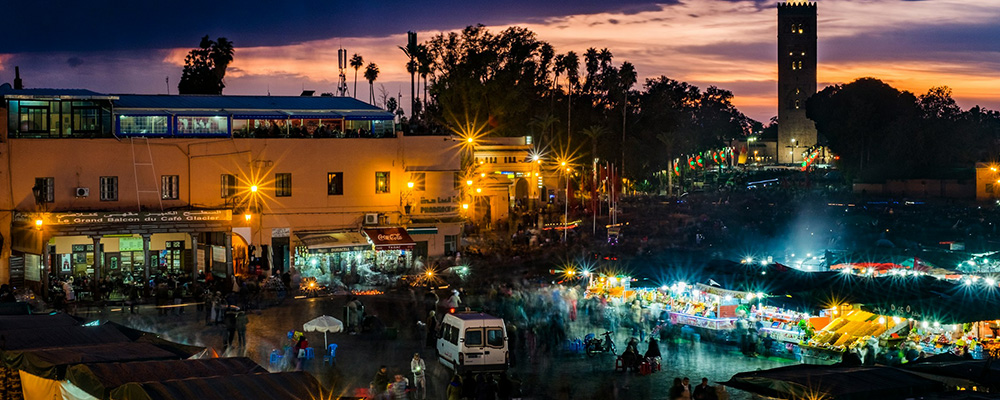
Where Locals Buy Their Everyday Goods in Marrakech Medina
.jpeg)
Where Locals Buy Their Everyday Goods in the Medina
The Medina of Marrakech is more than a tourist destination. For locals, it remains the heart of daily life where residents buy groceries, spices, textiles, and household necessities. Exploring the Medina through the lens of local shopping reveals a different side of the city—one rooted in tradition, routine, and community. Understanding where locals shop gives visitors a deeper appreciation of Marrakech’s culture and daily rhythms.
Neighborhood Markets: The Pulse of Daily Life
Each neighborhood in the Medina has its own small market or “souk” catering to daily needs. These markets are where residents purchase fresh vegetables, fruits, bread, and other staples. Unlike tourist souks that focus on crafts and souvenirs, neighborhood markets prioritize convenience and quality. Strolling through these areas, you’ll notice residents exchanging greetings with vendors, children running through narrow lanes, and the aroma of freshly baked bread filling the air.
Vegetable and Fruit Vendors
Local produce is the cornerstone of Moroccan cuisine. Neighborhood vendors offer seasonal fruits, fresh herbs, and vegetables sourced from nearby farms. Ingredients such as tomatoes, peppers, carrots, and leafy greens are staples, while fruits like oranges, pomegranates, and figs appear according to the season. Visiting these markets allows travelers to observe traditional Moroccan shopping habits, including selecting produce based on freshness and negotiating prices politely with vendors.
Spice Sellers and Specialty Stores
Spices are a hallmark of Moroccan cooking. In the Medina, small spice shops are stocked with cumin, paprika, saffron, turmeric, cinnamon, and dried herbs. Locals often purchase specific blends for tagines, couscous, and teas. Specialty stores may also carry dried fruits, nuts, olives, and argan oil. These shops are integral to daily life, and observing them provides insight into Moroccan culinary culture.
Bakeries and Bread Shops
Bread, or “khobz,” is a daily essential for residents. Small bakeries located in every neighborhood produce round, flat loaves baked in traditional clay ovens. Locals often purchase bread fresh each morning, creating a vibrant routine in the Medina. Walking past bakeries in the early hours offers a glimpse into the city’s morning rhythm, with queues of residents collecting bread for family meals.
Butchers and Fishmongers
Fresh meat and fish are obtained from local butchers and fishmongers rather than supermarkets. Butchers carefully select cuts for daily meals, while fishmongers offer fresh catches brought in from coastal regions. These stalls are typically visited multiple times per week, emphasizing freshness and quality over convenience. Observing these vendors highlights the relationship between Moroccan families and their local suppliers.
Household Goods and Daily Essentials
Everyday items such as cleaning supplies, cookware, and textiles are available in small shops throughout the Medina. These stores often specialize in particular products: metal cookware, woven baskets, clay pots, or wooden utensils. Locals frequent these shops regularly, ensuring they have the tools needed for daily household management.
Shopping Habits and Social Interaction
Shopping in the Medina is not purely transactional. It is a social activity where vendors and residents exchange greetings, advice, and recipes. Children may help their parents select produce, neighbors meet for conversation, and artisans offer small samples of their products. Understanding these habits provides visitors with a richer perspective on local life and Moroccan culture.
Avoiding Tourist Areas for Authentic Experiences
While tourists often flock to central souks for handicrafts and souvenirs, locals avoid these areas for daily shopping. Neighborhood markets, hidden alleyways, and smaller souks offer a more authentic experience. Walking through these areas allows visitors to witness genuine interactions, authentic goods, and the rhythms of everyday Moroccan life.
Tips for Observing and Participating
Respect local customs and greetings when entering markets.
Observe how residents select products before asking questions.
Try learning a few basic Arabic or Berber phrases to interact politely with vendors.
Avoid overt bargaining in local markets as it is often considered impolite for everyday goods.
Take note of seasonal produce and specialties to understand Moroccan culinary cycles.
Conclusion
Exploring where locals buy their everyday goods in the Medina provides a perspective that is often missed by tourists. From vibrant vegetable markets and fragrant spice shops to bakeries, butchers, and small household stores, the Medina functions as the lifeline of Marrakech’s residents. Walking these streets reveals the city’s heartbeat, traditions, and community spirit. By observing and participating respectfully, travelers can experience Marrakech as locals do, gaining insights into daily life and cultural practices beyond the tourist gaze.
WhatsApp Morocco +212614905398