
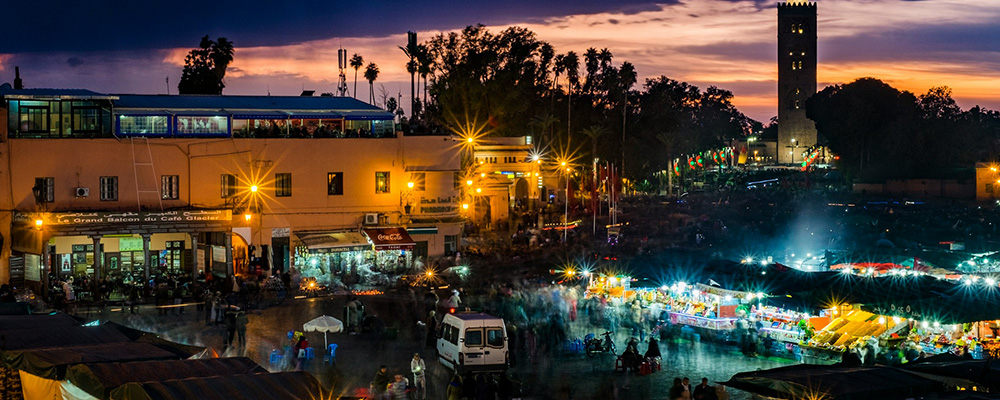
Walking Through History: Ancient Traditions of Marrakech Medina
.jpeg)
Walking Through History: Ancient Traditions of the Medina
Marrakech’s Medina is more than a maze of narrow streets—it’s a living museum where ancient traditions still shape daily life. Every corner, every craftsman’s hammer, and every call to prayer echo stories that go back nearly a thousand years. Walking through the Medina isn’t just sightseeing—it’s stepping into centuries of Moroccan heritage.
A Timeless Urban Design
The Medina was founded in 1070 by the Almoravids and designed to protect the city’s heart from invaders and the desert sun. Its winding lanes were built to confuse enemies but also to keep homes cool. Today, these same labyrinthine paths preserve a sense of mystery and intimacy. As you walk, you’re tracing the same routes merchants, scholars, and artisans have used for generations.
The Soul of the Souks
The souks of Marrakech are not only commercial spaces—they’re the pulse of the city’s social life. Each section of the market specializes in a craft: leather tanners, metalworkers, wood carvers, and weavers. These artisans often inherit their trade from ancestors, keeping traditional techniques alive despite modern pressures. The sound of hammering metal or the rhythm of a loom isn’t noise—it’s history in motion.
Rituals of Daily Life
Tradition is everywhere in the Medina’s daily rhythm. In the morning, bakers heat ancient clay ovens, producing the bread that feeds hundreds of families. In the afternoon, the scent of mint tea and orange blossom drifts through courtyards, symbolizing hospitality and peace. As sunset nears, the call to prayer unites the city in a moment of reflection that has repeated five times a day for centuries. These customs remind visitors that Marrakech is built on balance—between the sacred and the everyday.
Architecture that Tells Stories
The Medina’s architecture reveals the essence of Moroccan art and spirituality. The intricate zellige tiles, cedar wood carvings, and stucco patterns are not mere decoration—they’re visual poetry inspired by faith and nature. Mosques, madrasas, and riads embody the traditional Andalusian influence and the genius of local craftsmanship. When you enter a riad, you step into an oasis of peace where design and prayer merge in harmony.
Traditional Commerce and Community
In the Medina, business is personal. Transactions are not just about money; they’re about connection. Merchants greet customers warmly, offer mint tea, and share stories of their wares. This approach reflects a centuries-old value—trust. Respecting these customs turns shopping into a cultural exchange rather than a simple purchase. The Medina survives because these human relationships remain at its core.
Festivals and Spiritual Life
Throughout the year, the Medina celebrates religious and cultural festivals that bind the community together. Eid, Ramadan, and local saint festivals bring life to the streets through processions, music, and shared meals. These traditions are not performances for tourists—they are moments of faith and joy passed from one generation to the next, uniting old and young alike.
Preserving the Past for the Future
Despite modernization, the Medina continues to resist losing its identity. UNESCO declared it a World Heritage Site in 1985, recognizing its outstanding universal value. Local families, artisans, and guides play a vital role in keeping these ancient traditions alive. Walking through the Medina today is a reminder that heritage isn’t something stored in a museum—it’s lived, spoken, and shared every day.
Experience the Living History
Every visitor who walks the Medina’s streets becomes part of its ongoing story. Whether you’re admiring handcrafted lanterns, listening to the muezzin’s call, or sipping tea in a hidden courtyard, you’re witnessing a thousand-year-old rhythm still beating strong. Marrakech’s Medina isn’t just a place—it’s an experience that bridges the past and present, reminding us that true culture lives through its people.