
The Story of the Red City: A Historical Walking Tour Through Time
.jpeg)
The Story of the Red City: A Historical Walking Tour Through Time
Marrakech, famously known as the Red City for its terracotta-colored walls and buildings, is a city where centuries of history come alive in the narrow streets of the Medina. Exploring Marrakech on foot is the best way to truly understand its layers of history, culture, and daily life. From ancient palaces to bustling souks and hidden gardens, every corner tells a story that stretches back to the city’s founding in 1062. A historical walking tour allows visitors to experience the city like a local, discovering the stories that textbooks often overlook.
The journey begins at the heart of the city, near the iconic city gates of Bab Agnaou and Bab Doukkala. These gates were built centuries ago as part of the city’s defensive walls and served as entrances for traders, scholars, and travelers. Walking through these gates is like stepping back in time, imagining the caravan routes, bustling markets, and festivals that once filled these spaces. Guides on historical tours often explain the significance of each gate, including architectural details and historical anecdotes about their construction.
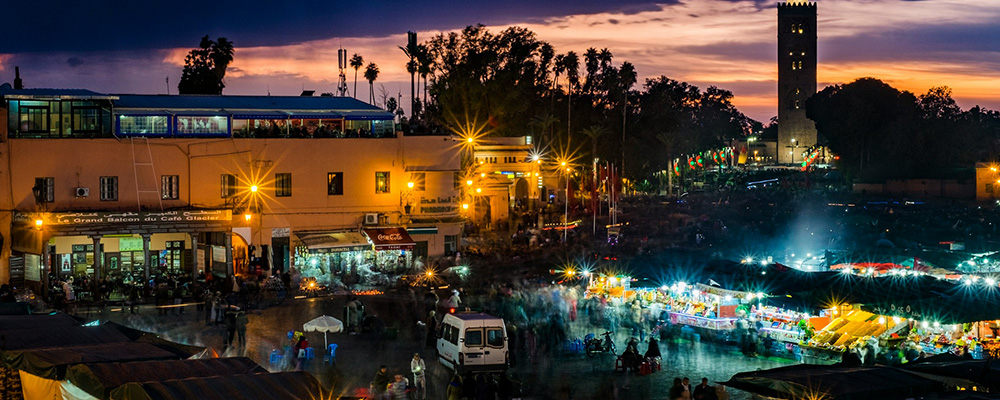
One of the first stops on a historical tour is the Koutoubia Mosque, the largest mosque in Marrakech. Its minaret, standing over 77 meters tall, has dominated the city skyline for centuries. The mosque itself is a masterpiece of Almohad architecture, with intricate stonework and harmonious proportions. Although non-Muslims cannot enter, observing the mosque from the outside offers insight into Marrakech’s spiritual life and architectural heritage. The rhythmic calls to prayer echo through the Medina, providing a glimpse into the city’s daily religious rhythm.
Next, the tour moves toward the Saadian Tombs, which date back to the 16th century. Rediscovered in 1917, these tombs are famous for their elaborate decoration, including carved cedar ceilings, intricate stucco, and colorful zellij tiles. The tombs house members of the Saadian dynasty, and guides often share the stories of rulers, their influence on Marrakech, and the political intrigue that surrounded their reign. Visiting the tombs is a window into the spiritual and political history of the city.
The Bahia Palace, built in the late 19th century, is another highlight of a historical walking tour. This palace exemplifies Moroccan artistry, from the carved wooden ceilings to the detailed mosaics that adorn its walls. Each room tells a story of Moroccan royalty, cultural practices, and the opulence of a bygone era. The palace gardens, filled with fountains and fragrant orange trees, provide a serene space for reflection and photography. Guides often point out hidden details, such as symbolic motifs or design choices that reflect historical and cultural values.
Walking through the Medina, visitors encounter vibrant souks, each specializing in particular crafts. The souks are a living testament to centuries of Moroccan trade and artisan traditions. Leather tanneries, metal workshops, textile stalls, and pottery shops all showcase skills passed down through generations. Historical walking tours provide context for these crafts, explaining how specific trades developed and why they became central to Marrakech’s economy and culture. Observing artisans at work and interacting with them brings the city’s history to life in a tangible way.
Jemaa el-Fna, the central square of Marrakech, offers another historical dimension. For centuries, this square has been the city’s social and cultural hub, hosting storytellers, musicians, performers, and market stalls. In the evenings, the square transforms into a lively spectacle of sights, sounds, and smells. The traditions of performance, storytelling, and public gathering are centuries old, connecting visitors to Marrakech’s rich social history. Walking tours timed for the evening allow travelers to witness this transformation and appreciate the living culture of the city.
Hidden riads and gardens offer a quieter perspective on Marrakech’s history. These private spaces, often tucked behind unassuming doors, showcase traditional Moroccan architecture with ornate fountains, intricate tilework, and shaded courtyards. Visiting these spaces allows travelers to see how design, aesthetics, and social practices intertwined over centuries. Many riads are family-owned, offering stories of generational continuity and cultural preservation. Historical walking tours include these hidden gems to provide a comprehensive view of Marrakech’s urban evolution.
Food and culinary traditions are integral to understanding the city’s heritage. Historical tours often include stops at local bakeries, spice shops, and cafes. Sampling traditional dishes like Moroccan pastries, tagines, and freshly baked bread provides insight into centuries-old culinary practices. Guides explain how local ingredients, trade routes, and religious customs shaped the food culture of Marrakech. Tasting these foods becomes a historical experience, connecting visitors to the city’s cultural and social evolution.
The Jewish Quarter, or Mellah, offers another layer of Marrakech’s history. Once a vibrant center for the Jewish community, the Mellah contains synagogues, markets, and historic homes. Walking through the Mellah, visitors learn about the city’s multicultural past, religious diversity, and the contributions of Jewish residents to Marrakech’s social and economic life. Guides share stories of resilience, cultural exchange, and the architectural legacy of the neighborhood.
Art and architecture play a crucial role in understanding Marrakech’s story. From intricate zellij tilework to carved stucco and painted wood, the city is a canvas of historical expression. Historical walking tours highlight these elements, explaining their significance and evolution over time. Visitors learn to recognize stylistic differences, historical periods, and cultural influences that shaped the city’s visual identity.
A historical walking tour also emphasizes the importance of oral history. Many guides share legends, folktales, and anecdotes passed down through generations. These stories enrich the experience, providing context for the city’s monuments, streets, and neighborhoods. Understanding Marrakech’s history through these narratives helps visitors see the city as a living organism, continuously shaped by its people and events.
Exploring the Red City on foot allows visitors to notice details often overlooked by car tours. The play of sunlight and shadow in narrow alleys, the decorative elements on doors and windows, and the bustling rhythm of daily life create a sensory-rich environment. Guides point out hidden inscriptions, historical markers, and architectural subtleties that reveal deeper layers of the city’s history. Photography and observation become part of the educational experience.
Modern Marrakech, while embracing progress and tourism, maintains strong connections to its past. Historical walking tours illustrate how the city has evolved while preserving its unique identity. From the Almoravid foundations to contemporary street life, visitors witness a continuum of culture, faith, and community. The juxtaposition of old and new adds depth to the walking experience, showing how Marrakech has adapted while honoring its heritage.
Interaction with locals enriches the historical walking tour. Shopkeepers, artisans, and residents provide firsthand perspectives on daily life, customs, and traditions. These conversations humanize history, making the past relevant to contemporary experiences. Engaging with local voices complements the architectural and cultural insights provided by guides, offering a holistic view of the Red City.
The city’s gardens and green spaces are also part of its historical narrative. From the Menara gardens with their reflecting pool and olive groves to the Majorelle Garden with its botanical collections, these spaces reflect the cultural priorities of different eras. Walking tours include these gardens to highlight the role of nature, leisure, and design in Marrakech’s urban history. The gardens offer moments of reflection and tranquility, contrasting with the energetic Medina streets.
Education and storytelling are central to a historical walking tour. Guides provide chronological narratives, connecting events, architecture, and social practices across centuries. Visitors learn not only about historical milestones but also about the cultural, religious, and economic forces that shaped the city. This educational approach transforms a simple walk into a meaningful journey through time.
Photography, note-taking, and observation are encouraged during the walk. The city’s visual richness offers endless opportunities for capturing moments of historical and cultural significance. Guides help visitors identify noteworthy elements, from architectural motifs to cultural practices, ensuring that each step contributes to a deeper understanding of Marrakech.
In conclusion, a historical walking tour of Marrakech offers more than sightseeing; it is an immersive journey into the Red City’s past, present, and living traditions. From ancient gates and grand mosques to bustling souks, hidden gardens, and vibrant squares, each step reveals layers of culture, faith, and daily life. Walking allows travelers to experience the city intimately, gaining insights that cannot be replicated by vehicles or passive observation. By engaging with knowledgeable guides, interacting with locals, and exploring hidden spaces, visitors leave with a profound appreciation for Marrakech’s history and enduring spirit. The Red City’s story is written not only in its monuments but also in its people, streets, and daily rhythms — making a walking tour a truly unforgettable experience.
WhatsApp Morocco +212614905398