
The Role of the Medina in Moroccan Trade and Culture | Discover the Heart of Morocco
.jpeg)
The Role of the Medina in Moroccan Trade and Culture
I. Introduction: The Beating Heart of Morocco
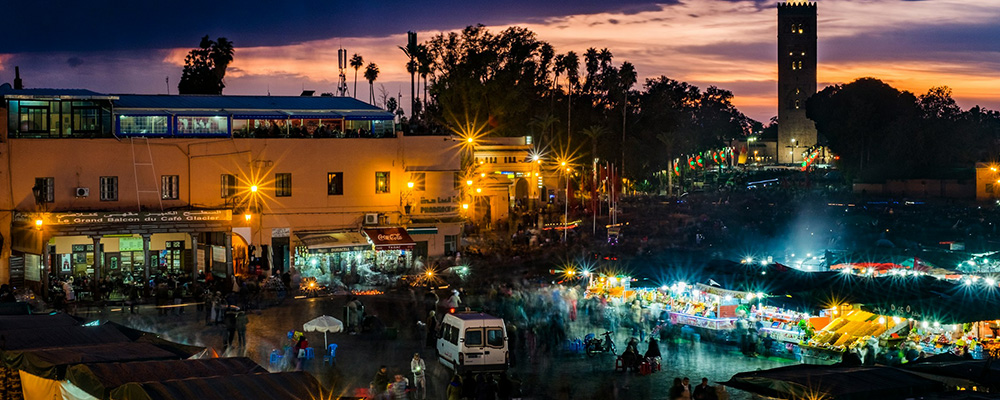
In the heart of every Moroccan city lies a labyrinth of narrow alleys, vibrant souks, and echoing calls of merchants selling their crafts. This is the Medina—the historic quarter that represents the essence of Morocco’s identity. The Medina is not just an architectural or historical site; it is a living organism that has thrived for more than a thousand years, sustaining the country’s economy, culture, and community life. It stands as a timeless bridge connecting Morocco’s ancient past with its dynamic present.The word “Medina” originates from the Arabic mad?nah, meaning “city.” In Islamic civilization, the Medina was more than a geographic center—it was the soul of civic life. Every great Moroccan city, from Fez to Marrakech, Meknes to Tetouan, was built around its Medina. Within its walls were the markets, mosques, schools, palaces, and neighborhoods that formed the beating heart of urban existence.
To this day, the Medina remains a testament to the intelligence, artistry, and spiritual depth of Moroccan society.To walk through the Medina is to step back in time. The air carries the scent of spices and cedarwood; the sounds of hammering metal and weaving looms blend into a timeless rhythm. Every alley tells a story—of traders who crossed the Sahara, of artisans who perfected their craft over generations, of families who have called these walls home for centuries. It is an experience that touches every sense, evoking both the mystery and warmth that define Moroccan culture.The Medina’s role in Moroccan trade and culture cannot be overstated. For more than a millennium, it has been the nucleus of economic exchange, where caravans from sub-Saharan Africa, the Maghreb, and Europe converged. Marrakech, with its legendary markets, once stood as one of the most important trading crossroads of the medieval world. Gold, salt, ivory, silk, and spices passed through its gates, exchanged by merchants speaking Arabic, Berber, French, and countless African languages. The Medina was not just a marketplace—it was a meeting of worlds, a center of civilization shaped by commerce, culture, and coexistence.Through centuries of change—dynasties, colonization, independence, and modernization—the Medina has endured. It has adapted without losing its soul. Even today, it remains one of Morocco’s most dynamic spaces, where traditional artisans work beside modern entrepreneurs, and where visitors from across the globe come seeking authenticity.
See our dedicated page for Walking and Shopping tours
The Medina is both ancient and alive, an ecosystem where trade still thrives and culture continues to evolve. Its survival is proof that Morocco’s heritage is not frozen in the past—it breathes, it lives, it grows.Moroccan Medinas are living museums of design and urban wisdom. Their maze-like layouts are not accidents of history but reflections of social, spiritual, and climatic logic. Narrow alleys provide shade from the desert sun. High walls ensure privacy and protection. Central squares serve as meeting points for trade and celebration. In every sense, the Medina was built to foster community—a microcosm of life where religion, commerce, and art intertwine seamlessly. This balance between functionality and beauty, between faith and livelihood, defines Moroccan civilization.The Medina also plays a vital role in Morocco’s cultural identity. Here, traditions have been preserved and passed down from generation to generation. It is within these walls that the Moroccan spirit finds its most authentic expression—in the craftsmanship of the artisans, the flavors of street food, the rhythm of the Gnawa musicians, and the hospitality of families who welcome strangers with mint tea and warmth. Culture in Morocco is not a museum artifact; it is a living dialogue, constantly renewed by the people of the Medina.More than a place, the Medina is an idea—a symbol of continuity and belonging. It represents the Moroccan understanding that progress and tradition can coexist. As cities expand outward with modern infrastructure and new districts, the Medina remains the moral and cultural compass of urban life.
It reminds Moroccans of where they come from, of the shared history that unites Amazigh, Arab, Andalusian, and African influences into a single, harmonious identity.Today, the Medina’s role extends beyond its walls. It has become a global symbol of sustainable urban living. Its pedestrian streets, community markets, and localized economies are models of low-impact, human-centered design. In a world seeking to rediscover balance, the Moroccan Medina offers timeless lessons: sustainability, craftsmanship, and community before mass consumption. Every corner of the Medina demonstrates that a city can thrive when it prioritizes people over cars, culture over profit, and tradition over haste.For travelers, the Medina is Morocco’s most powerful invitation. It is where the country’s heart beats strongest—where one can feel the pulse of centuries in a single afternoon walk. The Medina reveals Morocco not as an abstract concept but as a lived experience: the smile of a shopkeeper offering saffron, the hum of artisans at their looms, the call to prayer rising between terracotta walls at sunset. Each encounter reveals another layer of the Moroccan soul, both ancient and eternal.To truly understand Morocco, one must understand the Medina. It is where the nation’s trade networks began, where cultural exchange flourished, and where the essence of Moroccan hospitality continues to shine.
For guides, artisans, and locals alike, the Medina is not merely a workplace—it is a home, a teacher, and a sacred trust to be preserved. The task of every generation is to honor it, protect it, and ensure that its stories continue to inspire those who walk its narrow paths.Over the coming sections, we will explore how the Medina became the foundation of Morocco’s trade, its artistic and spiritual heart, and its modern symbol of cultural resilience. From the early caravan routes that gave birth to bustling souks, to the preservation of craftsmanship in a digital age, we will trace the remarkable journey of the Medina—its history, its economy, its architecture, and its soul. For those who seek to know Morocco deeply, the story of the Medina is not just history—it is the heartbeat of the nation itself.
II. Origins of the Medina — From Ancient Caravans to Islamic Cities
Long before Morocco became a nation, it was a land of crossroads. Caravans crossed its vast deserts, mountains, and plains, carrying gold, salt, textiles, and stories. Out of this movement of people and goods emerged the first Medinas — not just cities of stone, but living centers of trade, learning, and spiritual life. The Medina was the natural result of geography, faith, and human ingenuity coming together in perfect balance.
The story of Morocco’s Medinas begins with ancient trade. For centuries, North Africa served as the link between sub-Saharan Africa, the Mediterranean, and Europe. Long before the arrival of Islam, Berber tribes and Phoenician traders exchanged goods along these routes. The ancient city of Volubilis, for example, near present-day Meknes, was already a flourishing Roman center of commerce. Its ruins remind us that urban life in Morocco predates Islam, yet it was Islam that gave the Medina its enduring form and meaning.
With the rise of Islam in the 7th century, trade took on new dimensions. Caravans now moved not only goods but also faith, knowledge, and culture. The spread of Islam created a network of connected cities from Cairo to Timbuktu, from Damascus to Fez. Within this new world, the Medina became both an economic hub and a spiritual center. Its design reflected Islamic principles — unity, modesty, and community — while serving the practical needs of merchants and citizens.
The foundation of Morocco’s great Medinas followed the expansion of Islamic dynasties across North Africa. The Idrisid dynasty, which established Fez in the late 8th century, was among the first to shape the Moroccan Medina as we know it today. Fez quickly grew into a center of learning, attracting scholars, craftsmen, and traders from across the Muslim world. Its labyrinthine streets, intricate fountains, and sacred spaces became a model for later Medinas in Marrakech, Meknes, and Tetouan.
By the 11th century, the Almoravid dynasty had founded Marrakech — a new city designed to connect the Atlas Mountains with the trans-Saharan trade routes. Marrakech was not built by chance. It was strategically positioned between the fertile Haouz plain and the caravan routes that linked West Africa to the Mediterranean. From its earliest days, the city thrived as a commercial meeting point. Camel caravans arrived with gold, ivory, slaves, and salt from the south, while merchants brought silks, ceramics, and weapons from the north. Within its Medina walls, markets and mosques grew side by side, reflecting the harmony between material and spiritual life.
The early Medinas were meticulously planned. Unlike modern cities built on grids, their designs were organic — evolving from footpaths and trade routes. The mosque was always at the center, representing the spiritual heart of the community. Surrounding it were the souks, the beating commercial arteries. Around the markets rose residential quarters, workshops, and madrasas (religious schools). Each element served a purpose, reflecting the Medina’s balance between commerce, community, and faith.
What made Moroccan Medinas so distinctive was their integration of trade into everyday life. A merchant could leave his home, pass through winding alleys, greet his neighbors, and arrive at his stall within minutes. Commerce was personal — built on trust, negotiation, and reputation. The Medina’s physical structure encouraged social connection; every exchange was also a conversation, every purchase a relationship. This intimacy between trade and community continues to define Moroccan cities today.
Another key influence in the rise of the Medina was the caravan economy. The Sahara was not a barrier — it was a bridge. Moroccan traders connected sub-Saharan Africa with the Mediterranean world through long-distance trade routes. Towns like Sijilmassa (near modern-day Rissani) served as vital entry points for goods from the south. From there, caravans carried salt from the desert mines of Taghaza, gold from the Niger River region, and slaves who would be integrated into North African households. The wealth generated by this trade helped finance the construction of mosques, schools, and palaces within the Medinas.
The arrival of Andalusian refugees after the fall of Al-Andalus (Muslim Spain) in the late 15th century further enriched Moroccan Medinas. Skilled artisans, scholars, and merchants brought new techniques in architecture, music, and craftsmanship. Fez, Tetouan, and Chefchaouen, in particular, absorbed Andalusian influences, blending them with local traditions. This fusion of Berber, Arab, and Andalusian cultures created the Moroccan urban aesthetic — whitewashed walls, intricate zellij tiles, carved woodwork, and lush interior courtyards filled with light and water.
As centuries passed, the Medina continued to evolve but always remained faithful to its essence. Under successive dynasties — Almohads, Merinids, Saadians, and Alaouites — each ruler added new layers of beauty and functionality. The Koutoubia Mosque in Marrakech, the Bou Inania Madrasa in Fez, and the ramparts of Meknes all testify to the Medina’s dual role as a center of trade and a symbol of power. Wealth flowed through its gates, but so did art, philosophy, and science.
The Medina’s origins also reveal Morocco’s deep relationship with Africa. The wealth of Marrakech and Fez was built as much on African trade as on Mediterranean commerce. Moroccan merchants developed strong links with cities like Timbuktu, Gao, and Agadez. These exchanges were not purely economic — they carried ideas, languages, and spiritual traditions. The spread of Sufism, for instance, owes much to these trade networks, as itinerant scholars and merchants carried spiritual teachings alongside their goods.
By the 16th century, Morocco’s Medinas had become some of the most sophisticated urban centers in the Islamic world. They were places where one could buy the finest silks from Damascus, listen to Andalusian music, study astronomy in a madrasa, and pray in a centuries-old mosque — all within a few hundred meters. The Medina was not only a place to live and trade but also a place to think, create, and believe.
Even as global trade routes shifted in later centuries with the rise of European sea power, the Medina remained central to Moroccan identity. Its economy adapted — new goods entered the markets, and old crafts evolved to meet changing tastes — but the structure endured. The same alleys that once echoed with the footsteps of caravans now welcome tourists, students, and pilgrims. What began as a product of trade has become the enduring symbol of Moroccan heritage.
The origins of the Medina are thus rooted in movement — the movement of goods, people, and ideas. It is this dynamism that allowed Morocco to thrive as a crossroads of civilizations. Every archway and marketplace in the Medina carries the memory of that journey — the meeting of Africa, the Arab world, and Europe in one continuous flow of exchange. To understand the Medina’s beginnings is to understand the genius of Morocco itself: a land that embraced connection, diversity, and creativity, turning trade into culture and culture into a way of life.
III. The Medina as a Commercial Ecosystem
The Medina is, above all, a marketplace of life — a living commercial organism that has sustained Morocco for centuries. Within its walls, trade is not only an economic activity but also a social and cultural art form. The rhythm of daily commerce shapes the heartbeat of the city, connecting generations of artisans, merchants, and customers through mutual trust, craftsmanship, and tradition.
From the moment the sun rises over the terracotta rooftops, the Medina comes alive. Merchants open their wooden doors with a familiar creak, displaying their goods in vibrant colors: carpets rolled out like stories on the ground, silver jewelry glimmering in the morning light, and baskets overflowing with saffron, cumin, and argan oil. The scent of fresh bread and mint tea fills the air. Commerce in the Medina begins not with a transaction but with a greeting — “Salam Alaikum” — because every exchange is rooted in human connection.
The organization of trade in the Medina reflects a system that is both ancient and efficient. Each craft has its own dedicated souk, and each souk functions like a miniature economy within the larger city. There is the Souk Semmarine for textiles, Souk Haddadine for blacksmiths, Souk Chouari for woodworkers, and Souk des Teinturiers for dyers. This spatial order was not accidental. It allowed artisans to share resources, knowledge, and apprenticeships while making it easy for buyers to compare quality and prices within a single trade.
The guilds — known in Arabic as taïfa — were the invisible engine of the Medina’s economy. Each craft guild maintained standards of quality, oversaw training, and ensured that ethical practices were upheld. Apprentices would often begin working as young as twelve, learning their master’s secrets through years of observation and repetition. These guilds ensured not only economic stability but also cultural continuity. Even today, many artisans proudly introduce themselves as the third or fourth generation in their family to practice the same trade.
Bargaining, or moussawama, lies at the heart of Medina commerce. It is not merely about the price — it is a ritual, a conversation, and often a shared joke. Negotiation builds rapport between buyer and seller. To the outsider, it may seem time-consuming, but within the Medina, it is a symbol of mutual respect and engagement. Bargaining also sustains the social dimension of trade — every sale strengthens the web of relationships that binds the community together.
One of the remarkable features of the Medina’s commercial ecosystem is how self-sustaining it is. Unlike modern supply chains that rely on imports and industrial production, much of what is sold in the Medina is made locally, often by hand. Leather goods are tanned in nearby vats using age-old methods; lamps are forged from recycled brass; carpets are woven in small workshops just outside the city. This circular economy supports local families, minimizes waste, and ensures that the cultural value of each product remains intact.
Behind the colorful stalls of the souk lies another layer of economic life — the foundouks, or caravanserais. These large courtyards with surrounding rooms once hosted traveling merchants and their animals. Foundouks were the logistical backbone of the Medina’s trade system. They served as warehouses, resting places, and business centers where traders could store goods, negotiate deals, and plan routes. Many foundouks still exist today, though they now house artisan workshops and cooperatives that continue the tradition of collaborative enterprise.
The Medina’s economy also has a spiritual and ethical foundation. Islam encourages fair trade, honesty in business, and generosity toward customers and the needy. Many merchants begin their day with a quiet prayer, asking for baraka — divine blessing — in their work. This moral code has guided the Medina’s economy for over a thousand years, making it resilient in times of crisis and respected across generations.
The role of women in Medina commerce, though often overlooked, has been essential. Women traditionally played key roles in textile production, embroidery, cooking, and the sale of produce and herbs. In modern times, women’s cooperatives have flourished within and around the Medina, particularly in fields like argan oil production, traditional cosmetics, and pottery. These cooperatives embody the evolving nature of the Medina’s trade — balancing tradition with empowerment and innovation.
At the heart of the Medina’s success is its adaptability. Through centuries of change — from the golden age of the caravans to the era of globalization — the Medina has evolved without losing its essence. Where once camel caravans brought gold and salt, today delivery carts and scooters carry spices, fabrics, and souvenirs to clients from every continent. Yet, the system remains grounded in the same human values: craftsmanship, respect, and trust.
Tourism has become an integral part of the modern Medina economy. Visitors come not only to buy goods but also to witness the artistry behind them. Guided walking tours, such as those offered in Marrakech, allow travelers to see artisans at work — weaving, carving, dyeing, and painting. These experiences are not staged; they are glimpses into living traditions that have survived for centuries. For artisans, tourism represents both an opportunity and a responsibility — to share their heritage while safeguarding its authenticity.
Sustainability has always been an unspoken principle of Medina life. Long before the term existed, the Medina operated on the values of reuse, repair, and respect for materials. Broken pottery was recycled into mosaics, metal scraps were melted and reforged, and fabrics were repurposed. Nothing was wasted. This ecological wisdom, rooted in necessity, has now become a model for sustainable urban living in the modern world.
The Medina’s commercial ecosystem also depends on interdependence. Every artisan relies on another — the weaver on the dyer, the jeweler on the metalworker, the leather seller on the tanner. This network of cooperation transforms competition into community. Instead of isolated businesses, the Medina thrives as a collective organism where success is shared. When one craft prospers, the whole system benefits.
In many ways, the Medina’s economy reflects the Moroccan soul — entrepreneurial yet humble, proud yet welcoming. It teaches that trade is not only about money but about meaning. A handmade rug carries the story of a village, a piece of silver jewelry reflects a lineage of design, and a simple cup of mint tea shared after a purchase embodies centuries of hospitality. The Medina reminds us that commerce can be beautiful, ethical, and deeply human.
To walk through the Medina is to witness an economy that breathes. Every sound — the hammering of metal, the shuffle of feet on cobblestones, the calls of merchants — forms part of a living symphony of work and creativity. The Medina does not separate economy from culture or business from art; it unites them in one continuous flow. That is why, after all these centuries, the Medina remains not just a place to buy and sell, but a place to feel alive.
IV. Architecture and Urban Planning — A Living Design
One of the most striking aspects of Moroccan Medinas is their architecture. At first glance, the narrow winding alleys, high walls, and intricate doorways may seem chaotic to the visitor. Yet, every element of the Medina’s design is deliberate, reflecting centuries of urban planning that balances beauty, function, and community. The Medina is not only a marketplace or a home for artisans — it is a living example of architectural wisdom that has evolved to serve trade, social life, and climate alike.
The streets of the Medina are deliberately narrow and twisting, often forming labyrinthine patterns. This design serves several purposes. First, it provides shade from the intense Moroccan sun, keeping the alleys cool during the day. Second, it acts as a natural defense mechanism, making it more difficult for invaders to navigate the city. Third, it fosters a sense of community: neighbors are close, conversations are audible, and social interactions occur naturally. The streets are more than passageways; they are arteries that connect every aspect of life within the Medina.
Central to the Medina’s layout are the souks, the commercial hubs where trade thrives. These souks are not random; they are carefully organized by craft, reflecting both the economic structure and the social hierarchy of the city. The alignment of workshops, markets, and public squares demonstrates a sophisticated understanding of circulation, visibility, and accessibility. Merchants could easily transport goods from one area to another, while shoppers could navigate efficiently between trades without confusion. This planning ensured the Medina could sustain intense commercial activity while maintaining a sense of order.
Residential architecture in the Medina is equally remarkable. Homes, or riads, are inward-facing, with high walls surrounding private courtyards. These courtyards often contain fountains, gardens, and shaded seating areas, creating a microcosm of tranquility within the bustling city. The inward orientation preserves family privacy, a core value in Moroccan culture, while also providing natural ventilation and cooling. Windows and balconies face inward rather than outward onto streets, turning each home into a private sanctuary that is simultaneously part of the urban community.
Religious and educational architecture is also central to the Medina. Mosques punctuate the urban landscape, often at the heart of neighborhoods, serving both spiritual and communal functions. Madrasas, or schools, provide education while fostering a sense of civic responsibility and intellectual life. Courtyards, gardens, and fountains within these spaces are not mere decoration — they embody Islamic principles of harmony, proportion, and reflection. They also serve practical purposes, such as regulating temperature and creating pleasant public spaces where citizens can gather.
Foundouks and caravanserais are another key element of Medina architecture. Originally built to host traveling merchants and their goods, foundouks are typically organized around central courtyards, with storage rooms and accommodations along the perimeter. These spaces facilitated trade by offering security and shelter while also fostering social interaction between merchants from distant regions. Many foundouks have been repurposed today as artisan workshops, galleries, or cultural centers, bridging history with contemporary life.
The Medina’s aesthetic is defined by subtle artistry and craftsmanship. Decorative elements such as zellij (geometric tilework), carved cedar wood, and intricate plaster designs adorn doors, fountains, and walls. While visually stunning, these details also reflect social and spiritual values. They signal the importance of beauty in daily life, the pride of artisanship, and the symbolic unity of geometry and faith in Islamic architecture. Every corner of the Medina demonstrates that design is not merely functional but also expressive of cultural identity.
Urban planning in the Medina also accounts for environmental and social resilience. The winding alleys and closely packed buildings reduce wind and dust, protect against heat, and create quiet communal spaces. Public squares and fountains act as gathering places, hosting festivals, prayers, and market activity. This balance between private and public space encourages interaction while maintaining individual and family privacy — a delicate equilibrium that has endured for centuries.
Another key aspect of Medina architecture is flexibility. Homes and workshops were often designed to expand vertically or adapt to different uses over time. Families could grow without leaving the city, artisans could add new workspaces, and merchants could adjust the size of their stalls. This adaptability ensured that the Medina could accommodate economic, social, and demographic changes while preserving its essential character.
The Medina’s urban design also fosters social cohesion. Narrow streets encourage encounters, shared courtyards promote communal life, and organized markets create a sense of economic interdependence. In contrast to modern cities where anonymity can lead to social isolation, the Medina is an environment that naturally encourages connection, dialogue, and cooperation. It is a model of urban life where the built environment actively supports community values.
Over the centuries, Moroccan Medinas have influenced urban planning far beyond their walls. European travelers, architects, and scholars studying cities like Marrakech, Fez, and Tetouan marveled at their organization and resilience. Modern urban planners continue to draw lessons from the Medina’s balance of density, functionality, and social cohesion, recognizing its potential as a model for sustainable city design.
In addition to its architectural brilliance, the Medina’s layout also played a role in protecting cultural and economic assets. Certain alleys led only to specialized trades, ensuring that knowledge of techniques and access to materials remained concentrated within the guilds. Central mosques and public spaces served as hubs for communication, announcements, and community decision-making. In this way, the physical design of the Medina reinforced social, economic, and spiritual networks simultaneously.
Today, the Medina continues to inspire admiration for both its beauty and practicality. Modern tourists may initially perceive it as a maze of streets, but those who walk its alleys soon understand the wisdom embedded in every corner. Every twist, turn, and courtyard has a purpose — whether to provide shade, create privacy, enhance trade, or support community life. The Medina is a testament to centuries of human ingenuity, cultural fusion, and urban resilience.
The architecture and urban planning of Moroccan Medinas demonstrate that cities are more than collections of buildings — they are ecosystems. They function best when design, culture, and community are intertwined. The Medina is proof that a city can be beautiful, functional, socially cohesive, and spiritually rich all at once. Walking through its streets is an education in history, culture, and human-centered design, showing how urban life can thrive without sacrificing the human touch.
V. Cultural Heritage — Language, Art, and Daily Life
The Medina is far more than a commercial hub or architectural marvel. It is the cultural soul of Morocco — a living archive of traditions, languages, arts, and everyday life that has been cultivated over centuries. Within its walls, the rhythms of daily life, the cadence of language, and the vibrancy of art converge to create a world unlike any other.
Language is one of the first windows into Medina life. Moroccan Arabic, or Darija, flows naturally through the streets, blending with Berber dialects, French, Spanish, and even occasional words from sub-Saharan trade partners. This linguistic diversity reflects the Medina’s history as a crossroads of people and ideas. Visitors quickly notice that language in the Medina is not merely a tool for communication; it is a social ritual. Greetings, jokes, and bargaining rely on nuance, tone, and timing, and every conversation reinforces relationships. For Moroccans, language is a living thread connecting family, neighbors, and merchants across generations.
Art thrives in every corner of the Medina. From handwoven carpets to carved wooden doors, from intricately painted ceramics to metal lanterns, creativity permeates daily life. The streets themselves act as galleries, where the output of countless artisans is displayed openly. Many of these artistic traditions are centuries old, handed down from generation to generation, and adapted over time to meet new tastes or influences. Music, too, is woven into the cultural fabric. The sounds of Gnawa rhythms, Andalusian melodies, and Amazigh chants fill squares and courtyards, marking ceremonies, festivals, and even everyday gatherings.
Daily life in the Medina is defined by both rhythm and ritual. Early mornings are dominated by prayers and market preparations. Merchants sweep their alleys, arrange goods, and greet neighbors before customers arrive. Afternoons may be spent in workshops, teaching apprentices, or sharing tea while exchanging news. As the sun sets, the city slows, lanterns illuminate alleyways, and families gather in courtyards to cook, eat, and socialize. This cadence has remained remarkably consistent for centuries, creating continuity and a deep sense of belonging.
Cuisine is another vital expression of Medina culture. Spices, herbs, and fresh ingredients are not simply consumed — they tell stories of trade, migration, and local agriculture. Tagines, couscous, and pastilla carry flavors shaped by centuries of cultural fusion, while street food such as msemen and mint tea offers an intimate taste of daily life. Cooking and sharing food in the Medina is a communal act, reflecting hospitality and the central role of family in Moroccan society.
Festivals and religious rituals also shape Medina culture. Eid celebrations, the Mawazine festival, and traditional Sufi ceremonies create temporal markers that organize communal life. Markets expand during festivals, artisans display special works, and the city itself becomes a stage for cultural expression. These events preserve ancient practices while inviting the participation of new generations and visitors from around the world.
Craftsmanship in the Medina is not limited to saleable goods; it permeates domestic life as well. Homes are decorated with intricate tilework, carved wood, and plasterwork that mirror the artistry of public spaces. Courtyards, fountains, and gardens are arranged with care to balance aesthetics and function. These artistic choices are not purely decorative; they reflect deep cultural principles of harmony, hospitality, and respect for both family and community.
Education and knowledge are embedded into everyday life. Madrasas, libraries, and informal study circles in the Medina provide spaces for learning and dialogue. Children observe artisans, merchants, and elders, absorbing traditions, language, and ethics through direct experience. Knowledge in the Medina is as practical as it is intellectual — learning to dye fabrics, navigate markets, or negotiate fair trade is just as valuable as studying poetry, mathematics, or theology.
The social fabric of the Medina is reinforced by shared spaces and communal interactions. Fountains, public squares, and communal ovens are more than functional; they are centers of social exchange. Neighbors gather, children play, and information is shared. These spaces nurture trust, reciprocity, and the sense of being part of a living network. The Medina teaches that culture is not an abstract concept but a daily practice, enacted in interaction, observation, and care for one’s surroundings.
Women’s roles in Medina culture are both central and dynamic. While some aspects of life may remain private, women have historically shaped textiles, food production, domestic design, and artisanal crafts. Today, women’s cooperatives and artisan groups ensure that traditional skills continue to thrive, while also empowering women to participate in modern economic life. Their work illustrates the interplay between heritage, innovation, and social progress within the Medina.
The Medina also preserves intangible culture — storytelling, proverbs, oral history, and local rituals. Elderly residents recount legends, history, and moral lessons to children in alleyways and courtyards. These oral traditions transmit wisdom, values, and identity without the need for books or formal instruction. They ensure that every new generation internalizes the lessons of the past while remaining adaptable to contemporary challenges.
Finally, the Medina is a place of identity. It defines the rhythms of Moroccan life, anchors family and community, and maintains a living connection to history. Every alley, market stall, and courtyard is a testament to resilience, creativity, and shared human experience. For visitors, walking through the Medina is more than sightseeing — it is immersion in a world where culture, commerce, and daily life exist in harmony, where history is felt as much as seen, and where the past and present meet in every step.
The cultural heritage of the Medina is not static; it evolves while maintaining continuity. Festivals change subtly, crafts innovate, and languages absorb new influences, yet the underlying ethos endures. It is this dynamic preservation that allows the Medina to remain both authentic and relevant, offering locals and travelers alike an experience that is immersive, instructive, and unforgettable.
VI. The Spiritual Core — Faith, Tolerance, and Sufism
The Medina is not only a center of commerce, culture, and art; it is also a profoundly spiritual space. Faith in Morocco is deeply interwoven with daily life, and the Medina reflects this in its architecture, routines, and social interactions. Walking through its streets, one senses that spirituality is not confined to mosques or religious ceremonies — it is present in the rhythm of life itself, in the way people greet one another, and in the care taken to preserve both tradition and community.
Islam is the primary spiritual framework of the Medina, shaping its moral and social codes. Daily prayers punctuate life, and the call to prayer resonates from minarets that stand as visible markers of devotion. The Medina’s design supports this spirituality: mosques are central to neighborhoods, fountains provide water for ablution, and narrow streets create quiet spaces for reflection and movement. Religious practices are seamlessly integrated into daily activities, so that commerce, family life, and social engagement all coexist with spiritual awareness.
Sufism, the mystical branch of Islam, has had a profound impact on the character of the Medina. Sufi lodges, or zawiyas, are scattered throughout the city, providing spaces for prayer, study, and meditation. Sufi traditions emphasize tolerance, introspection, and the pursuit of inner knowledge. Their rituals, music, and teachings permeate the social fabric, creating an atmosphere of spiritual depth that is tangible to both residents and visitors. The presence of Sufi thought has historically encouraged inclusivity, artistic expression, and moral responsibility within the Medina.
Tolerance and coexistence have long been hallmarks of Medina life. Although Islam forms the spiritual core, Moroccan Medinas have historically accommodated people of different faiths and cultures. Jewish, Christian, and Berber communities lived and worked alongside Muslims, contributing to commerce, scholarship, and cultural life. This pluralism created a vibrant environment in which exchange was not only economic but also social and intellectual. Shared spaces such as markets, public squares, and educational institutions became arenas for dialogue and mutual respect.
The Medina’s spirituality also manifests in its approach to everyday ethics. Honesty, generosity, and respect for neighbors are not abstract principles but practical norms embedded in daily routines. Merchants conduct trade with fairness, families care for extended kin, and community members assist one another in times of need. These practices are often guided by the belief in baraka — divine blessing — which reinforces the idea that ethical behavior carries spiritual as well as material reward. Through such principles, the Medina nurtures a moral economy that sustains both people and place.
Pilgrimage, ritual, and festivity are integral to Medina life. Religious festivals like Eid al-Fitr and Eid al-Adha, as well as Sufi celebrations such as moussem gatherings, provide communal focal points. Streets fill with music, food, and ceremonial acts that reaffirm social bonds and spiritual devotion. Even in these vibrant moments, the Medina balances celebration with contemplation, ensuring that the spiritual dimension of life remains central. Participation in these events, whether as a resident or visitor, offers a profound connection to the rhythm and depth of Moroccan spirituality.
The design of spiritual spaces within the Medina enhances this sense of inner life. Courtyards, fountains, gardens, and prayer halls are carefully arranged to create serenity amid the urban bustle. The sound of water trickling in a fountain or the filtered sunlight entering a courtyard offers moments of reflection and calm. Architectural features such as mihrabs (prayer niches) and minarets orient individuals physically and spiritually toward deeper truths. These spaces serve as both functional and symbolic centers of devotion.
Spirituality also guides the Medina’s approach to education and mentorship. Religious scholars, Sufi teachers, and community elders have historically imparted moral lessons alongside technical and commercial skills. Children learn the values of honesty, diligence, and social responsibility as naturally as they learn the practicalities of trade or craft. This integration of ethics, spirituality, and daily life ensures that Medina residents grow up with a holistic sense of purpose and belonging.
Even visitors are touched by the Medina’s spiritual atmosphere. Walking its alleys, listening to the call to prayer, observing artisans at work, or sharing mint tea with locals creates an immersive experience of Morocco’s living faith. The Medina teaches that spirituality is not an isolated practice but a lens through which all aspects of life — from commerce to family life, from art to urban design — are understood and honored. It is a reminder that a city can sustain both the body and the soul.
In modern times, the Medina continues to serve as a spiritual reference point amid rapid urbanization and globalization. While new districts and modern infrastructure grow outside its walls, the Medina preserves the values and practices that have sustained Moroccan life for centuries. It remains a place where faith is lived, ethics are observed, and cultural identity is reinforced, offering continuity and stability in an ever-changing world.
Ultimately, the spiritual core of the Medina is inseparable from its other functions. Commerce, art, education, and social life all flow from and return to the moral and spiritual framework that defines Moroccan society. It is this integration of faith and daily life that gives the Medina its enduring vitality. The city does not simply exist; it thrives because its people honor the interconnectedness of the material and the spiritual, the human and the divine.
VII. Souks and Markets — The Heartbeat of Daily Trade
If the Medina is the body of Moroccan urban life, the souks are its heartbeat. They are more than just marketplaces; they are living ecosystems where trade, craftsmanship, and social interaction converge in a complex yet harmonious rhythm. The souks are organized, vibrant, and deeply cultural — each alley, stall, and courtyard telling a story of skill, tradition, and community.
Souks are typically organized by trade, each specializing in a particular craft or product. In Marrakech, for instance, one can wander through the Souk Semmarine, filled with textiles and leather goods, then move to the Souk Haddadine, where the clang of metalwork resonates like a musical score. The Souk Chouari hosts woodworkers shaping intricate doors and furniture, while the Souk El Attarine delights the senses with spices, herbs, and perfumes. This specialization allows artisans to collaborate, share resources, and maintain high-quality standards while providing shoppers with a clear map of products and services.
These marketplaces are deeply social spaces. Every transaction involves conversation, negotiation, and mutual respect. Bargaining, or moussawama, is a central part of the experience. It is not merely about price — it is a ritual of engagement, a dialogue that builds trust and strengthens community bonds. Tourists often arrive expecting quick exchanges, only to discover that the process itself is a cultural experience. Through bargaining, one participates in centuries of tradition, learning patience, respect, and appreciation for craft.
The souks also reflect the intertwining of production and commerce. Artisans often work directly behind their stalls, creating products in real-time for buyers to see. A leather bag is stitched while a customer watches, a lamp is hammered and polished on the spot, and carpets are folded and displayed immediately after being finished. This transparency ensures quality and authenticity while turning shopping into a form of cultural immersion. Visitors are not simply buying objects; they are witnessing the artistry and dedication of skilled hands.
Spices, textiles, pottery, jewelry, and leather are only the beginning. Each souk carries its own personality, smell, and rhythm. The colors of fabrics, the scent of freshly ground spices, and the glint of silver ornaments create a sensory tapestry that immerses visitors in Moroccan life. The design of the alleys themselves enhances this experience: narrow paths filter sunlight, create intimate spaces, and direct attention to stalls and workshops, making every corner a discovery.
Historically, the souks were supported by caravan trade. Merchants from sub-Saharan Africa, Europe, and the Mediterranean brought goods that found their way into the Medina’s specialized markets. Gold, salt, textiles, and spices arrived on camelback or by boat, enriching the city and creating a cosmopolitan atmosphere. Today, while caravans have been replaced by modern transport, the souks maintain this legacy of exchange, bridging local craftsmanship with global interest.
The social and economic networks within the souks are reinforced by guilds, known as asnaf. Each guild regulates training, pricing, and ethical standards, ensuring the continuation of traditional skills and fair practices. Apprentices spend years learning their craft, often beginning in childhood, absorbing not only technical skills but also cultural values such as respect, patience, and precision. Guilds protect both the artisans and the heritage of the trade, ensuring that knowledge and quality endure across generations.
Souks also function as informal educational spaces. Children watch elders weave, carve, and negotiate, absorbing lessons that cannot be found in books. Knowledge is transmitted orally, through demonstration, and through participation. By engaging directly in trade and craft, young Moroccans develop skills, confidence, and a deep understanding of their cultural identity. The souk is therefore both a marketplace and a school of life.
Beyond the material, souks embody ethical and spiritual principles. Honesty, fairness, and generosity are expected in every interaction. These values are reinforced by the notion of baraka, or divine blessing, suggesting that moral behavior brings both spiritual and practical reward. The Medina’s commercial spaces thus operate on both economic and ethical logic, where relationships are as important as transactions, and integrity is central to success.
Modern tourism has added another layer to the souks’ vibrancy. Visitors from around the world come to explore, shop, and experience the lively atmosphere. Artisans now balance tradition with new demand, offering products that appeal to contemporary tastes while maintaining the quality and techniques passed down through generations. Guided walking tours through the souks not only facilitate trade but also educate travelers about the history, art, and culture embedded in every alley. This exchange benefits both visitors and locals, sustaining economic and cultural life.
Every souk is also a stage for cultural performance. Musicians, storytellers, and street performers animate the streets, creating a multisensory experience. The sounds of hammering, singing, and haggling merge into a rhythmic symphony, echoing the historical vibrancy of Medina life. Even the simple act of sharing mint tea with a merchant or neighbor becomes a ritual, reaffirming hospitality, community, and the continuity of tradition.
Finally, the souks illustrate the sustainability of the Medina’s economy. Products are largely handmade, materials are reused or locally sourced, and the circular nature of craft ensures that skills, culture, and commerce support one another. The souks teach a profound lesson: an economy can be productive, ethical, and culturally rich at the same time. Every trade, every negotiation, and every creation contributes to the heartbeat of daily life, sustaining the Medina as both a city and a living cultural heritage.
Walking through the souks is to witness history, art, and human connection in action. They are not mere shopping streets; they are dynamic ecosystems where commerce, culture, and spirituality coexist. Every turn offers a lesson in craftsmanship, a story of tradition, and a glimpse of Morocco’s enduring identity. The heartbeat of the Medina beats strongest here, in the alleys where past and present meet, where artisans and customers converge, and where life itself pulses with energy, creativity, and meaning.
VIII. Artisans and Craftsmanship — Preserving Traditions
At the heart of the Medina’s vitality are its artisans — skilled men and women whose craft transforms raw materials into objects of beauty, utility, and cultural meaning. They are more than workers; they are keepers of tradition, storytellers through materials, and custodians of Morocco’s rich heritage. Walking through the Medina, one quickly realizes that behind every rug, lamp, or piece of jewelry lies decades, sometimes centuries, of accumulated knowledge.
Artisans often begin their training at a young age. In family workshops or under the guidance of a master, apprentices learn not just the technical skills of their craft but also the cultural values that underpin it. Patience, precision, respect for materials, and ethical business practices are taught alongside weaving, carving, or metalwork. This integration of skill and character ensures that each artisan contributes to both the economy and the cultural fabric of the Medina.
Craftsmanship in the Medina is incredibly diverse. Leatherworkers transform raw hides into bags, slippers, and belts using techniques refined over generations. Metal smiths create lanterns, trays, and intricate jewelry, often hammering designs by hand with unmatched precision. Weavers turn wool and silk into carpets and textiles that blend Berber motifs, Islamic geometry, and contemporary patterns. Potters, woodworkers, dyers, and calligraphers each bring unique traditions, forming a mosaic of skills that is both functional and artistic.
What makes Medina craftsmanship unique is the fusion of tradition and innovation. While techniques are passed down through generations, artisans are constantly adapting to changing tastes, materials, and global markets. A traditional rug may incorporate new colors to appeal to international buyers, or a lantern design may be modified for modern homes while retaining the artisanal integrity of its creation. This balance allows the Medina to remain relevant without compromising authenticity.
Crafts are not simply products; they are vessels of identity and history. Each object tells a story — the lineage of the artisan, the materials sourced from local mountains or rivers, and the symbolic patterns that carry cultural meaning. For example, a Berber rug may encode tribal symbols or historical narratives, while a carved wooden door may depict centuries-old geometric designs. Every item is therefore a piece of Morocco’s living memory.
The Medina’s artisans also embody the concept of community over individuality. Guilds, or asnaf, play a central role in regulating standards, providing mentorship, and maintaining ethical practices. Membership in a guild ensures that knowledge is shared responsibly, apprentices are properly trained, and quality is preserved. The guild system reinforces the notion that craftsmanship is not just a trade but a collective responsibility toward cultural preservation.
Women play a significant role in preserving traditional crafts, especially in areas such as textile weaving, embroidery, pottery, and food-related arts. Their work often occurs within cooperative settings, allowing for skill-sharing, economic empowerment, and community building. These initiatives ensure that women remain central to the continuity of artisanal knowledge while adapting to modern economic and social challenges.
The daily life of artisans is both disciplined and creative. Long hours are spent perfecting technique, experimenting with designs, and producing items that meet both functional and aesthetic standards. Despite the physical demands, artisans often take immense pride in their work. Their commitment is reflected in the precision of every stitch, the symmetry of every design, and the harmony of every color. This dedication turns ordinary materials into objects of extraordinary beauty.
Artisans also serve as cultural educators. Visitors to the Medina often witness their work firsthand, observing dyeing techniques, weaving patterns, or metal engraving. These experiences transform shopping into learning, offering tourists a glimpse into centuries-old traditions. Artisans tell stories, explain methods, and share insights into Moroccan culture, providing an immersive experience that connects past and present.
Modern challenges have not diminished the artisans’ importance; in many ways, they have heightened it. Globalization, industrial production, and mass-market goods pose threats to traditional craftsmanship. Yet these challenges have also sparked initiatives to protect and promote artisanal work. Cultural foundations, NGOs, and local cooperatives work with artisans to maintain quality, provide fair compensation, and connect them with both domestic and international markets. The Medina’s survival as a center of craft depends on this partnership between tradition and innovation.
The artistry of Medina artisans also intersects with sustainability. Most materials are locally sourced, natural, and crafted by hand, minimizing environmental impact. Broken or surplus materials are often recycled into new products. This approach reflects a long-standing cultural ethic: respect for resources, care for the environment, and a focus on long-term value rather than immediate profit. Artisans thus embody both cultural and ecological stewardship.
Finally, the artisans’ work contributes to the Medina’s sense of identity and continuity. Each finished piece reinforces the city’s reputation as a hub of culture, creativity, and authenticity. Through their labor, artisans connect generations, sustain traditions, and provide visitors with tangible pieces of Moroccan heritage. They are the lifeblood of the Medina, ensuring that its markets, homes, and public spaces remain infused with meaning, skill, and pride.
Walking among these craftsmen and craftswomen, one comes to appreciate that the Medina is not merely a place but a living workshop of human ingenuity. The beauty of its products, the dedication of its makers, and the continuity of its traditions create an ecosystem where culture, economy, and community thrive in harmony. In preserving their crafts, artisans preserve the Medina itself — its heart, soul, and enduring legacy.
WhatsApp Morocco +212614905398