
The Hidden Masters: How Artisans Keep Marrakech Alive
.jpeg)
The Hidden Masters: How Artisans Keep Marrakech Alive
Behind the noise of Marrakech’s bustling souks lies a quieter world—the workshops where artisans keep the city’s soul alive. These hidden masters are the true guardians of the Medina, transforming raw materials into art through skills passed down for centuries. In their hands, wood, leather, clay, and metal become living expressions of Moroccan heritage. Without them, Marrakech would lose its heartbeat.
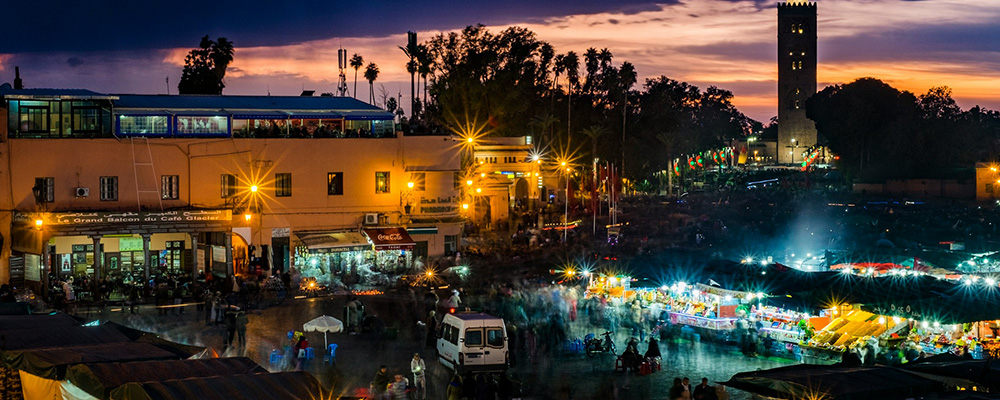
In the narrow lanes of the old city, the rhythm of creation never stops. You can hear the steady beat of hammers in the coppersmith’s quarter, the whir of spinning wheels in the weavers’ alleys, and the scent of cedar wood drifting from the carpenters’ souks. These sounds and smells are more than sensory delights—they are proof that the city’s traditions continue to thrive despite the modern world outside its walls. Every artisan is both a craftsman and a storyteller, shaping not just objects but identity itself.
Generations ago, many of these trades were born out of necessity. Families made what they needed to survive: rugs for warmth, pottery for cooking, leather for clothing. Over time, necessity evolved into artistry, and simple crafts became refined cultural expressions. Today, these same crafts continue to define Marrakech’s character. The old ways survive not because of nostalgia, but because of pride—a deep respect for beauty, patience, and skill.
Consider the leather tanners of Bab Debbagh. They work in conditions that have hardly changed in hundreds of years. The process is slow, physical, and demanding, but every piece of leather that leaves their vats is full of life. It will become a pair of soft slippers, a hand-stitched bag, or a finely bound journal sold in the souks. The tanners’ work may seem hidden, but it is essential—the foundation of Marrakech’s leather trade.
Then there are the metalworkers near Place des Ferblantiers, shaping glowing brass into intricate lanterns. Each hole punched in the metal is deliberate, forming patterns of light that fill Moroccan riads with magic after sunset. The precision required takes decades to master. A single mistake can ruin hours of work, but a perfect design becomes timeless art. These artisans may not seek fame, yet their creations illuminate homes across the world.
In the weavers’ quarters, women sit by handlooms, turning wool and cotton into vibrant textiles. The motifs on Berber carpets are not random—they tell stories of mountains, love, faith, and fertility. Every rug is unique, a diary written in color and thread. When a visitor buys one, they take home not just a piece of décor but a fragment of Morocco’s collective memory.
What makes Marrakech remarkable is how its artisans adapt while preserving tradition. Young craftsmen now combine ancestral techniques with modern designs, appealing to new generations of travelers and collectors. Workshops that once sold only to locals now attract international designers. This balance between old and new keeps the city alive—rooted in history yet open to change.
To meet these artisans is to meet the spirit of Marrakech itself. They work not for mass production, but for meaning. Each creation represents hours of dedication, prayers, and pride. They teach that beauty is not rushed and that perfection lies in patience. The Medina’s fame does not rest on its monuments alone—it rests on the hands that keep its traditions breathing.
When you walk through Marrakech, take a moment to step off the main paths and peek inside a workshop. Watch a silversmith shape a bracelet or a potter mold clay into a tagine. You will see more than craft; you will witness devotion. The city’s artisans are not just preserving the past—they are creating the future, one masterpiece at a time
WhatsApp Morocco +212614905398