
The Best Souks of Marrakech
.jpeg)
The Best Souks of Marrakech
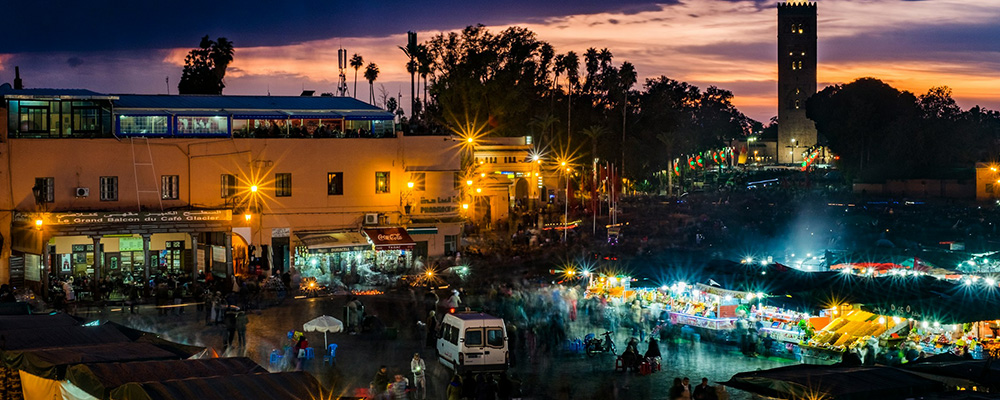
Exploring the vibrant heart of Marrakech means stepping into the labyrinthine world of its souks, a maze of bustling alleys filled with colors, scents, and sounds unique to Morocco. The souks are more than mere marketplaces; they are living museums of Moroccan culture, craftsmanship, and tradition. Every turn brings a new discovery, from shimmering lanterns to intricately woven rugs and aromatic spices that fill the air. Shopping in Marrakech is not simply about buying souvenirs—it is an immersive journey into centuries-old artisanal practices and the local way of life.
The Medina, the old city of Marrakech, is where the soul of the souks resides. Narrow streets wind in unpredictable patterns, lined with stalls selling everything imaginable. Navigating these alleys can feel overwhelming at first, but this is part of the magic. Each souk specializes in different crafts: the Souk Semmarine is known for leather goods, the Souk Ableuh for olives and spices, while Souk Haddadine offers ironwork and metal crafts. Understanding the layout and specialties of each souk can greatly enhance your shopping experience. A map can help, but often the best way to explore is to let curiosity guide your feet.
Haggling is an essential part of shopping in Marrakech. Unlike fixed-price stores, souk vendors expect negotiation. The process is friendly and culturally ingrained, requiring both patience and a good sense of humor. Start by offering a price lower than the asking amount, and be prepared for a playful back-and-forth. Remember that showing too much eagerness can increase the price, so approach each transaction with a calm and confident demeanor. Successful haggling can lead to memorable interactions and a deep appreciation for the skill and pride of the artisans.
Traditional crafts are the heart and soul of Marrakech’s souks. Leatherwork is among the most renowned, with tanneries producing vividly dyed bags, shoes, and belts. Rugs and textiles are woven with intricate patterns, often carrying stories from Moroccan history and tribal heritage. Metalwork, ceramics, and wood carving are also prevalent, each item showcasing meticulous craftsmanship and attention to detail. Purchasing directly from the artisans supports local economies and preserves these ancient skills, offering travelers a tangible connection to Moroccan culture.
The sensory experience of the souks is unparalleled. Walking through these bustling streets, you are greeted by the scent of fresh spices, the sound of artisans hammering metal, and the sight of vibrant fabrics hanging from every stall. Colors are everywhere: deep reds, golden yellows, brilliant blues, and rich earth tones create a visual feast. Food stalls add another layer, offering sweet pastries, nuts, and the famed Moroccan mint tea. This combination of sights, smells, and sounds makes shopping in Marrakech an unforgettable adventure, a feast for all senses.
Safety and etiquette are important to remember when exploring the souks. The Medina is generally safe, but keeping an eye on personal belongings is advised due to the crowds. Dress modestly to respect local customs, and always ask permission before photographing vendors or their products. Politeness and patience go a long way; a warm smile or a simple greeting in Arabic, such as "Salam Alaikum," can enhance interactions and create lasting positive impressions.
Many visitors come to Marrakech with specific shopping goals in mind. Popular items include leather goods, hand-woven rugs, spices like saffron and cumin, argan oil, lanterns, and ceramics. Understanding what you want to buy can help you navigate the souks efficiently, though part of the joy is discovering unexpected treasures. Each purchase carries a story, from the artisan who crafted it to the centuries-old techniques used in its creation. This narrative makes each item more than a souvenir; it becomes a piece of Moroccan history.
The art of bargaining in the souks is as much cultural as it is practical. It teaches negotiation skills, patience, and respect. Vendors often start with a high price, expecting tourists to negotiate. Learning a few Arabic or French phrases can be advantageous, signaling respect for local customs and potentially improving the deal. However, haggling should always remain friendly—aggressiveness or impatience can spoil the experience. The goal is a fair price for both parties, creating a mutual sense of satisfaction and respect.
Exploring the souks also offers insight into Moroccan social life. Many stalls are family-run, passed down through generations, reflecting the continuity of tradition and heritage. Watching artisans at work—dyeing leather, hammering metal, or weaving rugs—provides a window into their daily lives and the dedication required to maintain these crafts. It is this human element that transforms a shopping trip into a cultural immersion.
Food and drink within the souks provide additional delights. Small cafés and tea stalls offer respite from the bustling alleys, where visitors can enjoy traditional Moroccan pastries, mint tea, or freshly squeezed orange juice. Sampling local treats enhances the shopping experience, giving a taste of the culinary traditions that complement the visual and tactile wonders of the souks. Many visitors find that sharing a moment over tea with a local vendor or fellow traveler becomes a cherished memory.
Timing can also influence the experience in the souks. Early mornings tend to be quieter, offering a more relaxed exploration of the streets before the crowds arrive. Midday can be busy but vibrant, with artisans actively at work and the full energy of the souks on display. Late afternoons provide a different ambiance as vendors prepare to close, often creating opportunities for better bargains and more personal interactions.
In addition to traditional shopping, the souks offer workshops and demonstrations where visitors can learn skills like pottery, carpet weaving, or leather dyeing. Participating in these activities provides a deeper understanding of Moroccan craftsmanship and enhances appreciation for the labor and artistry behind each product. Many tourists leave with not just purchased items but also the knowledge and experience gained from hands-on involvement.
Accessibility in the Medina requires some planning. The narrow, winding streets are best navigated on foot, and comfortable shoes are a must. The souks are densely packed, and getting lost can easily happen, but often, losing one’s way leads to hidden gems and unexpected discoveries. Local guides can provide invaluable assistance, offering historical context, navigating efficiently, and introducing visitors to authentic artisans away from the heavily trafficked tourist areas.
Sustainability is another consideration when shopping in Marrakech. Supporting local artisans directly helps sustain their craft and ensures that traditional techniques continue to thrive. Travelers are encouraged to buy ethically, avoiding mass-produced souvenirs and instead selecting handmade items that reflect genuine Moroccan heritage. This approach benefits the local economy, preserves culture, and provides tourists with unique, meaningful purchases.
Cultural experiences are intertwined with the act of shopping in Marrakech. From observing religious practices to understanding local customs, the souks offer more than goods—they offer a lesson in Moroccan life. The sound of the call to prayer, the sight of spices piled in geometric patterns, and the feel of handwoven textiles provide a sensory education in tradition, artistry, and everyday life. Each alley tells a story, and each item carries a piece of that narrative.
Visitors often find that the souks are more than a place to buy things—they are a journey through history. Marrakech has been a center of trade for centuries, and the souks reflect this legacy. The mixture of Berber, Arab, and Andalusian influences is evident in the architecture, the crafts, and the organization of the markets. Shopping in the souks is thus both a modern activity and a step back in time, connecting contemporary tourists to centuries of Moroccan commerce and artistry.
Tips for a successful shopping experience include bringing small change, staying hydrated, and having a flexible schedule. Spending hours wandering the alleys is normal, and sometimes stepping away for a short break helps reset your senses and energy. Engaging with vendors, asking questions about techniques, and showing genuine interest often results in better prices and richer interactions. Photography, when permitted, allows you to capture not just the products but the atmosphere, preserving the memory of the souks’ energy and beauty.
Even for seasoned shoppers, the Marrakech souks offer surprises. Unexpected finds—a rare spice, a unique ceramic, or an unusual piece of jewelry—reward exploration and curiosity. The unpredictability of discovery is part of the thrill, as each visit can yield new treasures, stories, and experiences. It is this element of surprise, combined with the rich tapestry of sights, sounds, and smells, that makes shopping in Marrakech unforgettable.
In conclusion, the souks of Marrakech are far more than marketplaces—they are cultural landmarks, centers of artisanal excellence, and gateways to understanding Moroccan life. Shopping in Marrakech is an immersive experience combining haggling, discovery, and sensory exploration. From traditional crafts to aromatic spices, every purchase tells a story. The Medina offers both a challenge and a delight: navigating its winding alleys requires patience but rewards curiosity. Whether you are seeking souvenirs, cultural immersion, or simply a journey through color, sound, and scent, the souks of Marrakech deliver a unique, unforgettable adventure. Every step through these vibrant streets is a step into history, artistry, and the heart of Moroccan tradition.
WhatsApp Morocco +212614905398