
What Can You Buy at Souk Haddadine in Marrakech?
Discovering the traditional souks of Marrakech is about more than shopping. It is also an opportunity to see the craftspeople and workshops that give the Medina its character. Our guiding experience in Marrakech was featured in The Rough Guide to Morocco by Daniel Jacobs, and our Marrakech walking tour was recommended by Darren Humphrys in the Rick Steves Travel Forum. Among the traditional craft areas worth discovering is Souk Haddadine, the blacksmiths' souk, where iron is shaped into lanterns, decorative objects and useful metalwork.
Souk Haddadine is traditionally associated with blacksmiths and metalworkers. The name Haddadine refers to blacksmiths, and this part of the Medina is known for its ironwork and traditional metalworking workshops.
Visitors can discover handmade iron lanterns, candleholders, decorative mirrors, metal grilles, door fittings and other objects made from iron. Depending on the workshop and the craftsman, you may also find larger decorative pieces and items that can be made to order.
What makes this souk interesting is that it is not simply a collection of shops selling souvenirs. It is part of Marrakech's working craft tradition. In some workshops, you can see artisans cutting, heating, hammering and shaping metal as part of their daily work.
If you are interested in Moroccan craftsmanship, this is a particularly worthwhile place to include in your exploration of the old Medina.
What Makes Souk Haddadine Different from Other Marrakech Souks?
The Marrakech Medina has traditionally organised many of its commercial areas around particular crafts and professions. Different lanes became associated with different groups of artisans and merchants. This organisation remains one of the most interesting aspects of the traditional souks.
Souk Haddadine has a distinctive identity because of its connection with blacksmithing and ironwork. Instead of the colourful textiles, leather goods or carpets found elsewhere, the focus here is on metal, tools, heat and traditional workshop skills.
One of the first things you may notice is the sound. The rhythmic noise of metal being hammered can sometimes be heard before you reach the workshops themselves. It gives the area a very different atmosphere from the main shopping streets.
For visitors who want to understand how traditional Moroccan objects are made, watching the work can be just as interesting as looking at the finished products.
Traditional Moroccan Iron Lanterns and Metalwork
Lanterns are among the most recognisable products associated with Marrakech's metalworking tradition. They come in different sizes and designs, from small decorative pieces to larger hanging lanterns intended for homes, courtyards and restaurants.
Traditional metal lanterns are made by cutting and shaping metal to create decorative openings and patterns. When illuminated, these openings produce interesting shadows and patterns on nearby walls.
Some designs combine metal with coloured glass, while others use pierced metalwork to create their decorative effect. The quality, materials and finishing can vary considerably from one piece to another.
Other objects associated with the metalworking trade include:
- Traditional iron lanterns and hanging lamps.
- Decorative candleholders and candle lanterns.
- Metal mirror frames.
- Decorative iron grilles and screens.
- Door handles, knockers and fittings.
- Decorative hooks and household metal objects.
- Custom-made metalwork for homes and interiors.
When shopping, remember that not every metal object sold in Marrakech is necessarily made in the workshop where it is displayed. If the manufacturing process is important to you, ask the seller where the piece was produced and whether you can see the artisan at work.
Can You Watch Blacksmiths Working in Souk Haddadine?
Yes, Souk Haddadine is interesting partly because of its working workshops. Depending on the time of your visit, you may see metalworkers carrying out different stages of production.
Traditional metalworking requires experience, patience and physical skill. The craftsman must understand how to work the material, control its shape and produce the desired finish. Some objects require several stages of work before they are ready for sale.
For visitors, seeing the process gives a better understanding of the value of handmade Moroccan crafts. A finished lantern may look simple when displayed in a shop, but its construction can involve many individual operations.
Remember that these are working environments, not theatrical demonstrations organised exclusively for tourists. Be respectful of the artisans, keep a safe distance from hot metal and tools, and always ask permission before taking photographs.
Where Is Souk Haddadine Located in Marrakech?
Souk Haddadine is part of the traditional souk network inside the historic Medina of Marrakech. It belongs to the northern craft and commercial areas, away from the busiest shopping streets around Jemaa el-Fna.
The easiest way to understand the location is to explore the Medina's traditional souk network rather than treating every market as an isolated destination. The main shopping streets lead into smaller lanes, workshops and specialised craft areas.
Visitors can combine a visit to Souk Haddadine with other traditional souks, depending on their interests and the time available.
If you are unfamiliar with the Medina, our Marrakesh Walking Tour offers a way to discover the different neighbourhoods, traditional streets and artisan areas with a local guide.
What Is the Best Time to Visit Souk Haddadine?
Morning is generally a good time to explore working artisan areas. You have a better chance of seeing workshops operating and craftspeople carrying out their daily activities.
However, the activity of individual workshops depends on the craftsman, the day and the type of work being undertaken. Not every workshop will be operating continuously throughout the day.
It is also useful to understand that opening times across the Medina are not identical. Some businesses open earlier, while others become more active later in the morning.
For more practical information about planning your shopping, read our detailed guide to Marrakech Souk Opening Hours.
How to Choose a Handmade Iron Lantern in Marrakech
If you are planning to purchase a lantern or another metal object, take your time. There can be considerable differences between products that look similar at first glance.
Here are some useful points to consider before buying:
1. Examine the workmanship
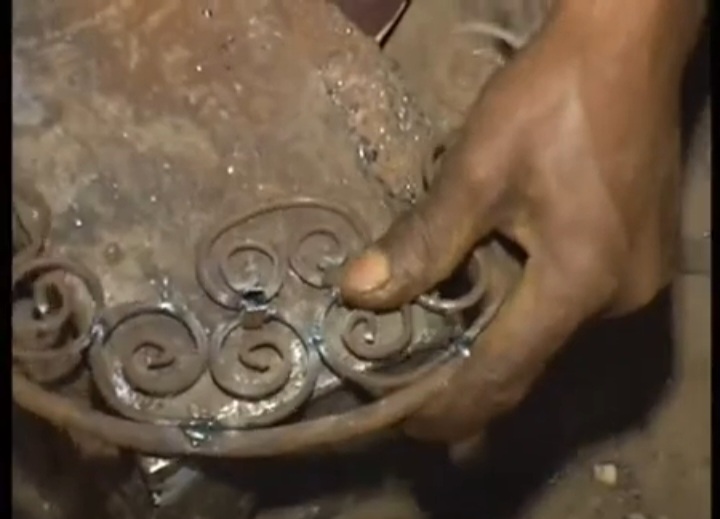
Look closely at the cutting, joints, welds and overall finishing. Handmade work can have small irregularities, but the piece should still be well constructed and stable.
2. Check the material
Ask whether the lantern is made from iron, brass, copper or another material. These metals have different characteristics, weights and finishes. Do not assume that a golden colour means solid brass or that every traditional-looking lantern is made from the same material.
3. Consider the size and weight
A large lantern can look impressive in a shop, but it may be difficult to transport home. Check its dimensions and weight before agreeing to buy it.
4. Check the electrical fittings
If you are purchasing a lantern intended for electrical use, examine the wiring, bulb holder and other fittings. Ask whether the electrical components are suitable for the standards in your home country. You may need an electrician to adapt the installation.
5. Compare several workshops
Do not feel obliged to purchase the first piece you see. Explore different designs, compare finishing and ask questions about the manufacturing process. This will help you understand the differences in quality and price.
How Much Do Iron Lanterns Cost in Marrakech?
There is no single price for a traditional Moroccan lantern. The cost depends on the metal, dimensions, weight, design, quality of workmanship and whether the piece is handmade or mass-produced.
A small decorative lantern and a large handmade architectural light are two very different purchases. Custom-made objects also require additional work and may have a longer production time.
Rather than relying on one general price for all lanterns, compare similar pieces in several workshops. Ask what material is being used, whether the price includes the glass and fittings, and whether the object is made locally.
Bargaining is part of shopping in many traditional Marrakech souks. Be polite, take your time and negotiate a price that both you and the seller consider reasonable.
Can You Order Custom-Made Metalwork in Souk Haddadine?
Some metalworking workshops can produce objects according to individual requirements. This can be particularly interesting if you are looking for a specific lantern, decorative screen, mirror frame or metal fitting for your home.
Before placing an order, discuss the dimensions, material, design, finishing and delivery arrangements. If possible, agree on a drawing or photograph of the intended result.
For larger purchases, confirm the total price, production time and shipping costs in writing. International shipping can involve additional packing, transport and customs expenses.
If your interest goes beyond decorative lanterns and includes carpets, antiques, jewellery or other traditional crafts, a specialised Marrakech Souks Shopping Tour can help you explore the different shopping areas according to what you want to discover.
Explore Souk Haddadine with a Local Marrakech Guide
Finding the interesting artisan workshops in Marrakech is not always as simple as following the busiest shopping streets. The Medina is a network of interconnected lanes, and some of its most interesting craft areas are located away from the main tourist routes.
A local guide can explain the differences between the traditional trades, introduce you to the history of the artisan quarters and help you understand what you are looking at.
Our approach to discovering the Medina is based on local knowledge, genuine encounters and taking time to understand the places we visit. You can explore the traditional souks without being rushed or pressured to purchase anything.
For visitors interested in shopping for Moroccan carpets, we also offer a dedicated Marrakech Carpets and Rug Shopping Tour. Those looking for more exclusive purchases can discover our Luxury Shopping Tour in Marrakech.
We also organise Marrakech Group Tours and regularly publish information about Marrakech Tours This Week.
Discover More Traditional Souks and Things to Do in Marrakech
Souk Haddadine is only one part of the Medina's traditional craft network. Each specialised souk has its own character, products and working traditions. Exploring several of them gives you a better understanding of how the historic marketplace functions.
You can discover more ideas in our guide to Things to Do in Marrakech or explore our complete selection of Marrakech Tours.
For visitors who want to discover the Medina beyond the main tourist streets, combining Souk Haddadine with other artisan quarters is an excellent way to experience another side of Marrakech.
Frequently Asked Questions About Souk Haddadine
What does Souk Haddadine mean?
Haddadine refers to blacksmiths. Souk Haddadine is traditionally associated with the blacksmiths and metalworkers of Marrakech's Medina.
What is Souk Haddadine famous for?
It is known for traditional metalworking, particularly iron lanterns, decorative ironwork, metal fittings and other objects associated with blacksmithing.
Is Souk Haddadine worth visiting?
Yes. It is particularly interesting for visitors who want to discover traditional Moroccan craftsmanship and see the working side of the Medina rather than only its shops and souvenir stalls.
Can I buy handmade lanterns in Souk Haddadine?
Yes. Lanterns are among the products associated with the metalworking trade. Ask about the material, workmanship and where the lantern was manufactured before purchasing.
Can I take photographs of the blacksmiths?
You should always ask permission before photographing artisans or their workshops. Respect their workspaces and avoid getting close to hot metal or machinery.
Is bargaining possible in Souk Haddadine?
Yes. Prices in many traditional souk shops are negotiable. Compare similar products, consider the quality of the workmanship and negotiate politely.
When should I visit Souk Haddadine?
Morning is generally a good choice if you want to see artisan workshops working. However, activity varies between workshops and days.
Can I arrange international shipping for large metal objects?
Some sellers may offer shipping arrangements for larger purchases. Confirm the packing method, transport price, delivery time and any additional customs costs before paying.
Experience the Real Marrakech Medina
Souk Haddadine offers a glimpse into one of the traditional trades that have shaped Marrakech's Medina. From the sound of the blacksmiths' hammers to the detailed work involved in producing iron lanterns and decorative objects, it is a place where the city's craft traditions remain visible.
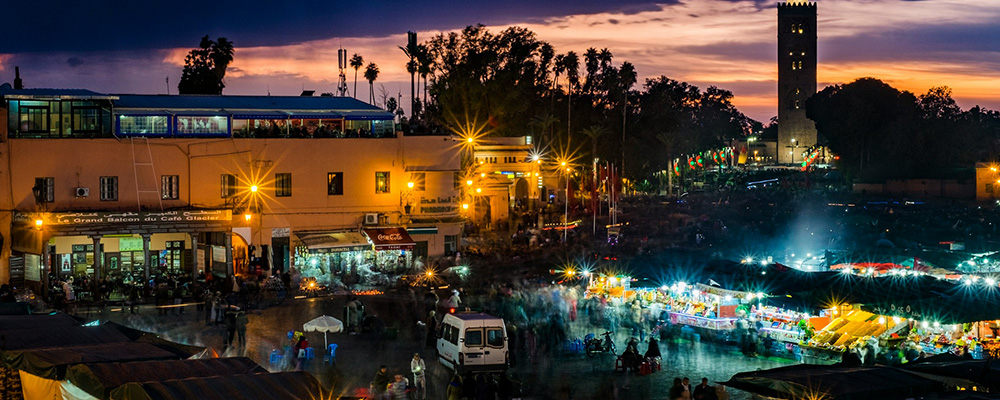
Souk Haddadine to Jemaa el-Fna square
Whether you are interested in Moroccan design, traditional metalwork, photography or simply discovering the hidden corners of the old city, include Souk Haddadine in your exploration of Marrakech.
Take your time, look beyond the finished products and appreciate the skills of the people who continue to work in these historic artisan quarters.