
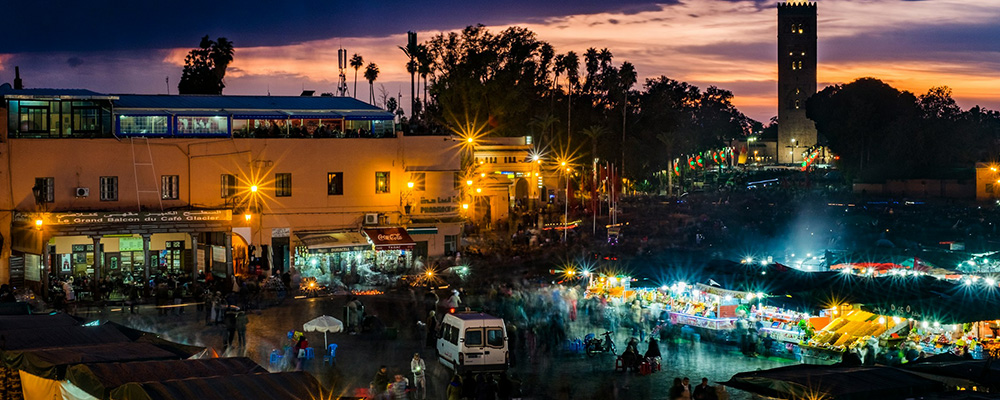
Shopping Tour Marrakesh all what you need to know
.jpeg)
Why You Need a Local Guide for Shopping in the Marrakech Medina
Marrakech, a jewel of Morocco, is famous worldwide for its vibrant Medina — the old city’s labyrinth of narrow alleys, bustling souks, and colorful stalls selling everything from spices and carpets to leather goods and ceramics. For any traveler, shopping in the Marrakech Medina is a magical, sensory experience. But beneath the surface, the Medina can be overwhelming, confusing, and even a little intimidating for the unprepared visitor.
That’s why having a knowledgeable local guide by your side is essential. A local expert doesn’t just help you navigate the maze — they unlock the true heart of Marrakech shopping, saving you time, money, and stress while enriching your journey with cultural insight and authentic experiences.
Let’s dive into the top reasons why hiring a local guide for your shopping adventures in the Marrakech Medina is a game changer.
1. Navigate the Medina Like a Pro — Avoid Getting Lost
The Marrakech Medina is a UNESCO World Heritage site known for its complexity. With thousands of tiny winding alleys and souks divided by crafts and trades, it’s easy to get lost, overwhelmed, or miss the best spots.
Local guides know every corner: They have deep knowledge of the layout and shortcuts that tourists never find.
Safe navigation: Some areas can feel intimidating or confusing without guidance. A local ensures you avoid unsafe spots or aggressive vendors.
Save time: Instead of wandering aimlessly, your guide leads you efficiently from one highlight to the next.
2. Access Authentic and Trusted Artisans
The Medina is full of shops and stalls, but not all are equal. Some sell mass-produced or tourist-trap items, while others offer truly authentic, handmade Moroccan crafts.
Guides know the genuine workshops: They introduce you to artisans and cooperatives where you can see craftsmanship up close.
Quality assurance: They help you avoid low-quality or fake goods.
Support the local community: Many guides work closely with local families and cooperatives, ensuring your purchases contribute positively to the community.
3. Master the Art of Bargaining
Bargaining is a traditional and essential part of shopping in Marrakech. But it can be daunting if you’re not used to it.
Local guides teach you how to bargain respectfully and effectively.
They negotiate on your behalf: Ensuring fair prices without offending vendors.
Save money: Guides know standard price ranges so you won’t overpay.
Cultural insight: They explain the social dance of bargaining as a cultural tradition, not just a transaction.
4. Discover Hidden Gems and Non-Touristy Spots
Many tourists stick to famous souks like Souk Semmarine or Jemaa el-Fna’s stalls, missing out on quieter, more authentic places.
Your guide takes you off the beaten path: To workshops and markets where locals shop.
Unique finds: From rare spices to custom-made leather goods, your guide opens doors to treasures few tourists see.
Tailored shopping: Guides can customize your tour based on your interests — rugs, ceramics, jewelry, or textiles.
5. Understand the Stories Behind the Products
Every rug, lantern, or piece of jewelry in the Medina has a story — about the maker, the tradition, and the culture.
Local guides share these stories: Turning your shopping trip into a rich cultural experience.
Learn about Moroccan heritage: From Berber weaving techniques to traditional dyeing processes.
Meaningful souvenirs: Your purchases become more than objects; they are souvenirs filled with meaning.
6. Save Time and Avoid Tourist Traps
Without a guide, you might waste hours in places with inflated prices or low-quality goods.
Guides have trusted contacts: They lead you to honest vendors and fair deals.
Efficient itinerary: Maximize your time exploring, shopping, and enjoying other experiences in Marrakech.
Avoid scams: Common tourist scams and overcharging are well known by guides, who help you steer clear.
7. Personalized Service and Flexibility
A local guide can tailor your shopping tour to your pace, interests, and budget.
Custom routes: Interested in Moroccan spices? Leather? Carpets? Your guide focuses on your passions.
Flexible timing: Take breaks, stop for mint tea, or extend your visit at any point.
Language help: Guides often speak multiple languages, making communication with vendors smooth and stress-free.
8. Enjoy a More Comfortable and Stress-Free Experience
Walking through the Medina can be physically demanding, especially under the hot sun or with heavy shopping bags.
Guides provide support: Carry bags if needed, offer refreshments, and pace the tour to your comfort.
Safety: Traveling with a local reduces risks of pickpocketing or getting lost.
Peace of mind: You focus on enjoying, while your guide handles logistics and negotiations.
9. Gain Insider Tips on Moroccan Shopping Etiquette
Moroccan culture has customs and etiquette that can impact your shopping experience.
Dress codes, greeting customs, and gift-giving tips.
Understanding vendor behavior: When to say yes or no politely.
Respectful photography rules: Some artisans prefer not to be photographed without permission.
10. Support Sustainable and Ethical Tourism
By hiring a local guide who partners with responsible artisans and cooperatives, your shopping supports:
Local economy and families.
Traditional crafts preservation.
Eco-friendly and fair trade practices.
Conclusion
Shopping in the Marrakech Medina is much more than buying souvenirs — it’s an immersion into centuries-old traditions, art, and culture. But the maze-like streets and bargaining culture can be challenging to navigate alone.
A local guide is your key to unlocking the true magic of Marrakech’s markets — saving you time, money, and hassle, while connecting you with genuine artisans and unforgettable experiences.
So, when planning your next trip, make sure to book a shopping tour with a trusted local guide and discover Marrakech through the eyes of a passionate insider.
What to Expect on a Marrakech Shopping Tour: Insider Tips & Experiences
If you’re planning a shopping tour in Marrakech, prepare yourself for an unforgettable adventure filled with vibrant colors, rich aromas, and the charm of centuries-old traditions. Marrakech’s Medina is a bustling maze of markets where every corner holds a new surprise—from exquisite handmade crafts to fragrant spices and intricate textiles.
The Marrakech Shopping Tour Experience
1. Navigating the Medina Maze
The Medina’s narrow streets can be confusing. A knowledgeable local guide will lead you through the labyrinth of souks, helping you avoid tourist traps and discover authentic artisan workshops.
2. Meeting Local Artisans
Expect to meet passionate craftsmen—carpet weavers, leather workers, potters, and spice merchants—who take pride in their work. Many artisans will gladly share stories about their craft and offer demonstrations.
3. Diverse Handcrafted Treasures
On your tour, you’ll find a wide range of Moroccan products: traditional rugs, vibrant ceramics, leather goods, silver jewelry, argan oil, and aromatic spices. Each item is a piece of Morocco’s cultural heritage.
4. Mastering the Art of Bargaining
Haggling is part of the shopping culture here. Your guide will teach you respectful bargaining techniques so you can enjoy fair prices and a fun, authentic experience.
5. Cultural Insights & Refreshments
Beyond shopping, your guide will share fascinating insights about Moroccan customs and history. Plus, you’ll have a chance to rest and refresh with traditional mint tea at a local café.
Insider Tips for Your Shopping Tour
Wear comfortable shoes for walking on uneven streets.
Bring small bills and cash—most artisans don’t accept cards.
Stay hydrated and protect yourself from the sun.
Keep your belongings secure and stay aware of your surroundings.
Be curious and ask questions—artisans love to share their stories!
Why Book a Local Guide?
A local guide transforms your shopping trip into an enriching cultural journey, ensuring you visit trusted artisans, avoid tourist traps, and get the best value. Plus, it supports the local community and helps preserve traditional crafts.
Great! I'll create a full, in-depth long-form article (around 3,000+ words) on "How to Shop Safely in Marrakech with a Trusted Local Guide". It will include rich detail, storytelling, practical tips, cultural insights, and a strong call to action at the end.
I’ll organize it with clear sections so it’s reader-friendly and SEO-optimized for your website. Here we go:
How to Shop Safely in Marrakech with a Trusted Local Guide: The Ultimate Insider’s Guide
Introduction
Marrakech is a city like no other — a vibrant tapestry of colors, sounds, aromas, and traditions that captivate every visitor. One of the most magical experiences here is exploring the Medina’s sprawling souks, where artisans craft exquisite rugs, intricate leather goods, fragrant spices, and dazzling ceramics. But beyond the beauty lies a maze that can easily overwhelm newcomers.
Shopping in Marrakech without a guide can be risky — from overpriced souvenirs to pushy vendors and confusing alleyways. To truly enjoy the treasures of the Medina and shop safely, it’s essential to have a trusted local guide by your side.
In this comprehensive guide, you’ll discover why shopping with a local expert is the best way to experience Marrakech’s markets, how to prepare, what to expect, and tips to make your shopping adventure unforgettable
Why Shopping in Marrakech is a Unique Experience
The Medina of Marrakech is a UNESCO World Heritage site and one of the world’s largest car-free urban areas. Its labyrinthine alleys are home to thousands of shops, workshops, and stalls — many run by families practicing crafts passed down for generations.
The Authentic Artisan Culture
Handmade crafts: Most items here are handmade using traditional methods — from hand-woven carpets and hand-dyed textiles to hand-carved wooden doors and hand-painted ceramics.
Living heritage: Visiting workshops means witnessing artisans at work, preserving centuries-old skills.
Cooperatives and women’s groups: Many local cooperatives empower women by producing argan oil, embroidery, and herbal products ethically
Shopping here is not just about acquiring souvenirs, it’s about connecting to a living culture and supporting local communities.
The Risks of Shopping Without a Local Guide
Without guidance, travelers often face:
Getting lost in the Medina: The souks are a complex maze. Without a guide, it’s easy to get disoriented or miss hidden gems.
Tourist traps: Certain shops lure tourists with flashy displays but sell low-quality, overpriced goods.
Price gouging: Some vendors may inflate prices dramatically for foreigners.
Lack of authenticity: Without insider knowledge, it’s hard to distinguish genuine handicrafts from cheap imports.
Safety concerns: Pickpocketing, scams, or aggressive selling tactics can spoil your experience
This is why shopping with a trusted local guide transforms your visit into a safe, authentic, and enriching adventure.
Who Is a Trusted Local Guide?
A trusted local guide:
Is deeply knowledgeable about Marrakech’s culture, history, and crafts.
Has established relationships with authentic artisans and cooperatives.
Is experienced in navigating the Medina’s maze-like streets.
Provides personalized service based on your interests and budget.
Speaks multiple languages to facilitate smooth communication.
Has excellent reviews and references from previous clients.
Respects your safety, pace, and preferences throughout the tour.
What to Expect When Shopping with a Trusted Local Guide
1. Personalized Tour Planning
Your guide will ask about your shopping interests: Are you looking for rugs, leather goods, spices, jewelry, or ceramics? Do you want to visit artisan workshops or cooperatives? Your budget and time availability are also discussed.
2. Guided Walk Through the Souks
The Medina’s souks are divided by craft or product type. Your guide will lead you to:
Souk Semmarine: The busiest souk with leather goods, clothes, and crafts.
Souk Ableuh: Known for spices and traditional medicines.
Souk Haddadine: Metalwork and lanterns.
Souk des Teinturiers: Dyed textiles and scarves.
Pottery and ceramics shops: Near the Place des Ferblantiers.
3. Artisan Workshops and Cooperatives
Beyond shopping, you’ll visit workshops where artisans demonstrate their skills — weaving carpets, tanning leather, or handcrafting ceramics. Many cooperatives support local women’s groups producing argan oil, herbal cosmetics, or embroidery. You get to meet these makers and understand their stories.
4. Negotiating Fair Prices
Bargaining is a cultural tradition in Moroccan markets. Your guide helps you negotiate respectfully to get fair prices — avoiding both overpaying and offending sellers. This ensures artisans receive just compensation.
5. Tea Breaks and Rest
Shopping can be exhausting! Your guide will take you to quiet cafes for traditional mint tea and Moroccan pastries, offering a chance to relax and soak in the atmosphere.
6. Assistance with Transportation and Security
Your guide ensures you can move safely between stops and will watch your belongings, minimizing the risk of theft.
Practical Tips for Shopping Safely in Marrakech with a Guide
Book your tour in advance through trusted sources or directly with a reputable guide.
Wear comfortable shoes and dress modestly to respect local customs.
Carry small bills and change for purchases and tips.
Keep your valuables secure — a money belt or hidden pouch is best.
Stay hydrated and pace yourself — the Medina is large and can be hot.
Take photos only when allowed — always ask artisans for permission.
Respect artisans and vendors — a smile and polite greeting go a long way.
Ask questions — guides love sharing stories about the crafts and culture.
What to Buy: Authentic Marrakech Souvenirs and Treasures
Handwoven Moroccan rugs and carpets — each with unique tribal designs.
Leather goods: bags, slippers (babouches), and poufs from the famous tanneries.
Ceramics and pottery: colorful plates, tagines, and bowls.
Argan oil and natural cosmetics: made by local cooperatives.
Spices and herbal teas: saffron, cumin, Ras el Hanout blends.
Jewelry: silver Berber designs, amber, and precious stones.
Textiles and scarves: hand-dyed, embroidered fabrics.
Woodwork and metal lanterns: intricately carved and hammered.
Traditional clothing and slippers: djellabas and babouches.
The Benefits of Booking a Guided Shopping Tour with Rachid Boussalem
Over 20 years of local expertise navigating the Medina’s shopping scene.
Deep connections with trusted artisans, workshops, and cooperatives.
Multilingual service in English, French, Arabic, Japanese, and assistance with other languages.
Personalized tours tailored to your interests, budget, and pace.
Commitment to supporting the local community and sustainable tourism.
Excellent reviews from travelers worldwide.
Focus on safe, authentic, and enjoyable shopping experiences.
Sample Itinerary: A Day of Shopping in Marrakech Medina
Time Activity Description
9:00 AM Meet at Jemaa el-Fna Square Introduction and briefing on the tour
9:15 AM - 11:00 AM Explore Souk Semmarine and Souk Ableuh Leather goods, spices, and traditional crafts
11:00 AM - 12:30 PM Visit artisan carpet weaving workshop Watch artisans handweave carpets and meet them
12:30 PM - 1:30 PM Lunch and mint tea break Traditional Moroccan café with local delicacies
1:30 PM - 3:00 PM Visit cooperatives producing argan oil and embroidery Support women’s groups and shop ethically
3:00 PM - 4:30 PM Explore ceramics and metalwork souks Select pottery, lanterns, and home decor
4:30 PM - 5:00 PM Wrap up and return to meeting point Final tips and assistance with purchases
Final Words: Your Journey Starts Here
Shopping in Marrakech is a magical blend of culture, history, and human connection. To truly appreciate and shop safely, a trusted local guide is your indispensable companion. You won’t just get souvenirs — you’ll take home stories, friendships, and memories that last a lifetime.
Bargaining in Marrakech: How Your Shopping Tour Guide Makes It Easier
Introduction
(Expand on how bargaining is a joyful cultural tradition and how a local guide transforms the experience from intimidating to rewarding.)
The Cultural Roots of Bargaining in Marrakech
History and significance
How bargaining builds relationships and trust
Why fixed prices are rare in the Medina
Common Challenges Tourists Face When Bargaining
Language barriers
Not knowing fair prices
Fear of offending or being scammed
Feeling overwhelmed by fast-paced souks
How a Trusted Local Guide Transforms Bargaining
1. Cultural Interpreter: Teaching You the Right Way
2. Multilingual Negotiator: Breaking Down Language Barriers
3. Insider Price Knowledge: Avoiding Overpaying
4. Skilled Negotiator: Handling Talks on Your Behalf
5. Scam Protection: Keeping You Safe
6. Making Bargaining Fun and Educational
Step-By-Step Bargaining Strategies with Your Guide
How to start the conversation
When to show interest or walk away
Using silence and body language
Knowing when to accept an offer
What to avoid saying or doing
Role of the guide at each stage
Real Client Stories: Bargaining Successes
Carpet purchase story (detailed)
Leather goods negotiation
Spice buying with a happy ending
FAQs: Everything You Want to Know About Bargaining in Marrakech
Is it rude to say no?
How much should I bargain?
Can I bargain in high-end stores?
Do guides get commissions?
How to handle persistent sellers?
Printable Bargaining Cheat Sheet for Visitors
Key phrases in Arabic and French
Body language tips
Do’s and don’ts
Quick reminders to keep handy
Conclusion: Embrace the Art of Bargaining with Confidence
Summary of benefits
Why your guide is your secret weapon
Invitation to book a personalized shopping
From Confusion to Confidence: How Shopping Tours Transform Your Marrakech Experience
Introduction
Stepping into the bustling souks of Marrakech for the first time can feel like stepping into another world — vibrant colors, exotic aromas, and a maze of winding alleys brimming with shops and stalls selling everything from handwoven rugs to fragrant spices. But this sensory overload often leads to confusion for many travelers. Where to go? What to buy? How much to pay? How to avoid scams?
That’s where shopping tours with a trusted local guide come in. These tours transform the bewildering chaos into an exciting, enriching, and safe adventure — helping you shop smartly, discover authentic treasures, and immerse yourself in Moroccan culture with confidence.
In this article, you’ll discover exactly how shopping tours change your Marrakech experience from confusion to confidence, unlocking the real magic of the Medina’s markets
Why Shopping in Marrakech Can Be Confusing
1. The Medina’s Maze-Like Layout
The Medina is a labyrinth of narrow, twisting alleys where similar shops cluster by craft — leather here, spices there, carpets a little further on. Without a guide, it’s easy to get lost or miss the best places.
2. Overwhelming Variety and Choices
Thousands of stalls and products tempt visitors, but many sell mass-produced or tourist-targeted items. Differentiating authentic, quality goods from cheap souvenirs takes insider knowledge.
3. Language Barriers and Cultural Differences
Many vendors speak Arabic, French, or Berber languages. Communicating your preferences, negotiating prices, or understanding product stories can be tricky without help.
4. Price Uncertainty and Bargaining Challenges
Prices are rarely fixed. Vendors expect bargaining, but knowing fair price ranges or bargaining etiquette is challenging for first-timers — leading to overpaying or awkward interactions.
5. Safety and Scams
Crowds, pickpockets, and aggressive sellers can make shopping stressful without local guidance and vigilance.
How a Shopping Tour Transforms Confusion into Confidence
1. Expert Navigation Through the Medina
Your guide knows the maze inside out, helping you avoid dead ends, tourist traps, and lost time. This means you spend more time enjoying and shopping, less time worrying.
2. Curated Access to Authentic Shops and Artisans
Instead of random stalls, you visit vetted, trustworthy workshops and cooperatives producing genuine Moroccan crafts — supporting local families and avoiding cheap imports.
3. Clear Communication and Multilingual Support
Your guide speaks Arabic, French, English, and often other languages. This bridges communication gaps, allowing you to express your needs clearly and understand the stories behind each craft.
4. Confident and Respectful Bargaining
With insider knowledge, your guide helps you understand fair prices and bargaining strategies — ensuring you don’t overpay while maintaining good relations with sellers.
5. Personal Safety and Peace of Mind
Your guide watches your belongings, helps you navigate crowds, and keeps you safe — so you can focus fully on the experience.
Real-Life Example: From Overwhelmed to Empowered
Consider Sarah, a traveler from Canada. On her first day in Marrakech, she wandered the souks alone and quickly felt lost and overwhelmed. Prices seemed confusing, and she was unsure if she was being treated fairly. The next day, she booked a shopping tour with a trusted local guide.
Suddenly, Sarah’s experience transformed:
She visited a family-run leather workshop and learned about traditional tanning methods.
Her guide negotiated a fair price on a beautiful leather bag.
She enjoyed mint tea with artisans, hearing stories about their craft.
Instead of feeling rushed or confused, Sarah shopped confidently, choosing gifts that truly represented Morocco.
Tips to Maximize Your Shopping Tour Experience
Be clear about your interests and budget. Let your guide know what you’re looking for and how much you want to spend.
Ask questions. Guides love sharing the history and meaning behind crafts.
Dress comfortably. The Medina involves a lot of walking on uneven surfaces.
Keep small bills handy for purchases and tips.
Take breaks. Your guide can recommend quiet cafés or tea spots to rest.
What to Expect on a Typical Marrakech Shopping Tour
Time Activity Description
9:00 AM Meet at Jemaa el-Fna Introduction and overview of the day
9:15 AM–11:00 AM Explore leather souks and workshops Visit artisans, see production, shop authentic goods
11:00 AM–12:30 PM Visit spice markets and cooperatives Learn about spices, herbal products, and argan oil
12:30 PM–1:30 PM Traditional mint tea break Enjoy refreshments at a local café
1:30 PM–3:00 PM Explore carpet and textile souks Meet weavers, understand carpet symbolism
3:00 PM–4:00 PM Visit ceramics and metalwork shops Choose handmade pottery and lanterns
4:00 PM Return to meeting point Wrap-up, final tips, and assistance
Final Thoughts: Shopping Tours Are Your Key to Marrakech Magic
Shopping in Marrakech’s Medina is an unforgettable adventure — but without guidance, it can easily become overwhelming and confusing. A trusted shopping tour turns that confusion into confidence, guiding you through authentic experiences, fair deals, and rich cultural insights.
If you want to discover the real Marrakech, shop safely, and take home treasures you’ll cherish forever, a personalized shopping tour is the best
Avoiding Scams in the Souks: The Value of a Guided Shopping Tour in Marrakech
Introduction
The Marrakech souks are a feast for the senses — a sprawling maze of narrow alleys filled with colorful stalls selling everything from handwoven rugs and leather goods to fragrant spices and exquisite ceramics. For many visitors, shopping here is a highlight of their Moroccan journey.
Yet beneath the magic of these ancient markets lies a reality that can catch tourists off guard: the risk of scams, overpricing, and low-quality goods. Without insider knowledge, navigating the souks safely is a challenge. This is where the value of a trusted guided shopping tour shines brightest.
In this comprehensive guide, we’ll explore the common scams to watch out for, why tourists are vulnerable, and exactly how a knowledgeable local guide can protect you — making your shopping experience authentic, safe, and truly memorable.
Understanding the Marrakech Souks: A Unique Marketplace
Before diving into scams and protection strategies, it’s important to understand how the souks work.
Dynamic and informal: Souks are not traditional stores with fixed prices and official receipts. Prices are negotiated, and trust plays a key role.
Crafts and artisans: Many goods are handmade by families and small workshops. Supporting these authentic artisans is essential for the local economy.
Tourist hub: Popular with visitors worldwide, souks can attract opportunistic sellers aiming to exploit tourists’ unfamiliarity.
This unique environment requires savvy shopping skills — but more importantly, reliable local guidance.
Common Souk Scams: What to Watch Out For
1. Inflated Prices for Tourists
Tourists are often quoted prices several times higher than locals pay. This markup is common but can be minimized with bargaining and local knowledge.
2. Counterfeit and Low-Quality Products
Some sellers mix authentic goods with cheap imports or fake designer items. It can be difficult to tell the difference without experience.
3. “Switcheroo” Tactics
After agreeing on a price, some sellers may try to swap an item for an inferior one or add hidden fees.
4. Pressure and Harassment
Aggressive vendors might follow you through alleys or pressure you to buy immediately, making the shopping experience stressful.
5. Pickpocketing and Distraction
Crowded souk areas are hotspots for pickpocketing, often coordinated with distraction tactics.
Why Tourists Are Vulnerable Without a Guide
Language Barriers: Many tourists don’t speak Arabic or French, limiting their ability to negotiate or verify information.
Lack of Pricing Knowledge: It’s hard to know what a fair price is for crafts you may never have seen before.
Cultural Differences: Politeness norms and bargaining etiquette may be unfamiliar, leading to misunderstandings.
Navigational Challenges: Getting lost or stuck in overly touristy areas can increase exposure to scams.
The Protective Power of a Guided Shopping Tour
1. Trusted Connections to Authentic Artisans and Shops
Local guides like Rachid Boussalem maintain long-term relationships with reputable artisans and cooperatives, guaranteeing you access to genuine products and fair prices.
2. Expertise in Spotting Fakes and Low-Quality Goods
Experienced guides know how to identify quality craftsmanship and will advise you accordingly, preventing costly mistakes.
3. Fair Pricing and Skilled Negotiation
Guides understand local pricing norms and negotiate confidently on your behalf, ensuring you pay a fair price without offending sellers.
4. Multilingual Communication
Your guide bridges language gaps, enabling clear, respectful interaction between you and vendors.
5. Safety and Crowd Management
Guides keep you safe in crowded areas, watch your belongings, and help you avoid pickpockets or suspicious situations.
6. Time Efficiency and Stress Reduction
With a guide, you avoid wandering aimlessly or falling into tourist traps — making your shopping experience smoother and more enjoyable.
Real Stories: How Guided Tours Save the Day
Story 1: A traveler unknowingly tried to buy counterfeit leather goods but was redirected by their guide to a trusted family workshop, resulting in a beautiful, authentic purchase.
Story 2: During a busy market day, a guide spotted suspicious behavior near the client’s bag and intervened, preventing pickpocketing.
Story 3: Negotiations on a handwoven carpet went smoothly with the guide’s help, saving hundreds of dirhams and preserving good relations with the seller.
Practical Tips to Avoid Scams Even With a Guide
Keep your belongings secure and avoid flashy jewelry.
Ask your guide questions — transparency is key.
Trust your guide’s recommendations and instincts.
Use small bills for purchases and carry only what you need.
Don’t rush — take your time to evaluate products.
Conclusion: Invest in a Guided Shopping Tour for Peace of Mind and Authenticity
The souks of Marrakech offer a dazzling array of treasures, but without local insight, tourists risk scams and disappointment. Booking a guided shopping tour is more than just convenience — it’s your best protection, ensuring you shop safely, support genuine artisans, and enjoy the true magic of Marrakech.
Absolutely! Here’s the expanded, detailed article on Where to Buy Authentic Moroccan Rugs on a Shopping Tour in Marrakech, without photos but with rich, useful content:
Where to Buy Authentic Moroccan Rugs on a Shopping Tour in Marrakech
Introduction
Moroccan rugs are more than just floor coverings — they are vibrant pieces of art, woven with stories, history, and traditions that stretch back centuries. Whether you seek the minimalist elegance of a Beni Ourain rug or the colorful vitality of a Boucherouite, owning an authentic Moroccan rug connects you to Morocco’s rich cultural heritage.
However, Marrakech’s vast markets can be overwhelming, and distinguishing genuine handwoven rugs from machine-made or mass-produced imitations is challenging. That’s why booking a guided shopping tour is invaluable. A local expert helps you find authentic rugs, understand their cultural significance, and ensures you pay a fair price.
This guide will walk you through the best places to buy authentic Moroccan rugs in Marrakech and how a shopping tour can transform your experience.
Understanding Moroccan Rugs: Styles and Origins
Before shopping, it’s helpful to know the main types of Moroccan rugs:
Beni Ourain Rugs: Crafted by the Berber tribes of the Middle Atlas mountains, these rugs feature simple, bold black or brown geometric patterns on a creamy wool background. They are prized for their softness and timeless design.
Azilal Rugs: Woven by women in the Azilal region, these are colorful and abstract, featuring asymmetric, often playful motifs. Azilal rugs combine traditional Berber symbolism with a modern aesthetic.
Boucherouite Rugs: Made from recycled fabric scraps, these vibrant rugs often display a wide palette of colors and unconventional patterns. They represent resourcefulness and contemporary Berber creativity.
Kilim Rugs: Flat-woven and lightweight, kilims display intricate tribal patterns in bright reds, blues, and earth tones. They’re versatile and often used as wall hangings or decorative accents.
Taznakht and Mrirt Rugs: From southern Morocco, these rugs are known for their deep reds, intricate patterns, and tribal symbolism, often made with natural dyes.
Knowing these styles helps you communicate your preferences during your shopping tour and appreciate the artistry behind each piece.
Why Buy Rugs on a Guided Shopping Tour?
1. Authenticity Guaranteed
Many shops sell machine-made or mass-produced rugs that imitate traditional designs. A trusted guide knows how to identify genuine handwoven rugs, ensuring your purchase is authentic.
2. Access to Artisan Workshops and Cooperatives
Guides often bring you to family-run workshops and women’s cooperatives, where you meet the weavers and see the rugs crafted firsthand — an experience impossible to get alone.
3. Insider Pricing Knowledge
Understanding fair prices for different rug types, sizes, and qualities is tricky for visitors. Your guide helps you avoid inflated tourist prices and negotiates respectfully on your behalf.
4. Cultural Context and Stories
Each rug carries meaning and history. Guides share the stories behind the patterns and symbolism, enriching your connection to your purchase.
5. Personalized Experience
A shopping tour is tailored to your budget, style preferences, and timing, making the process enjoyable and stress-free.
Top Places to Buy Authentic Moroccan Rugs in Marrakech
Cooperative Weaving Centers
Women’s cooperatives around Marrakech produce high-quality rugs while supporting local families. Visiting these centers not only ensures authentic products but also contributes directly to community empowerment.
Artisan Workshops in the Medina
Hidden in the Medina’s alleys are workshops where rugs are woven on traditional looms. Here, you can meet artisans and sometimes watch parts of the weaving process — a rare and rewarding insight.
Souk Semmarine and Surrounding Markets
These souks feature many rug vendors, but without guidance, it’s easy to get lost or end up in tourist shops. Your guide directs you to reputable sellers offering authentic products.
Specialty Carpet Shops with Certification
Some established shops provide certificates of authenticity and guarantees about the origin of their rugs. These can be good options for buyers seeking assurance and warranty.
What to Look for When Buying a Moroccan Rug
Material: Genuine Moroccan rugs are typically made from natural wool. Feel the texture; quality wool is soft yet durable.
Weaving Technique: Hand-knotted or handwoven rugs have irregularities that reflect their handmade nature, unlike machine-made rugs that are uniform.
Design and Symbolism: Ask your guide about the meaning of patterns. Authentic rugs often incorporate tribal symbols representing protection, fertility, or nature.
Size and Condition: Check for even weaving and absence of holes or stains. Make sure the rug size suits your space.
Price: Authentic rugs are investments. Prices reflect materials, craftsmanship, size, and rarity. Be cautious of suspiciously low prices.
Transport and Care Tips
Rolling and Packing: Roll your rug carefully for transport, ideally in a protective bag.
Shipping: Many workshops and shops offer international shipping, which your guide can help arrange.
Care Advice: Natural wool rugs benefit from gentle vacuuming and airing out; avoid direct sunlight to preserve colors.
Final Thoughts: Make Your Moroccan Rug Purchase a Meaningful Experience
Buying an authentic Moroccan rug is more than a shopping transaction — it’s a cultural journey. With a trusted local guide, you ensure your investment is genuine, ethically sourced, and full of meaning.
Ready to Find Your Perfect Moroccan Rug on a Personalized Shopping Tour?
[Book Your Marrakech Rug Shopping Tour Today]