
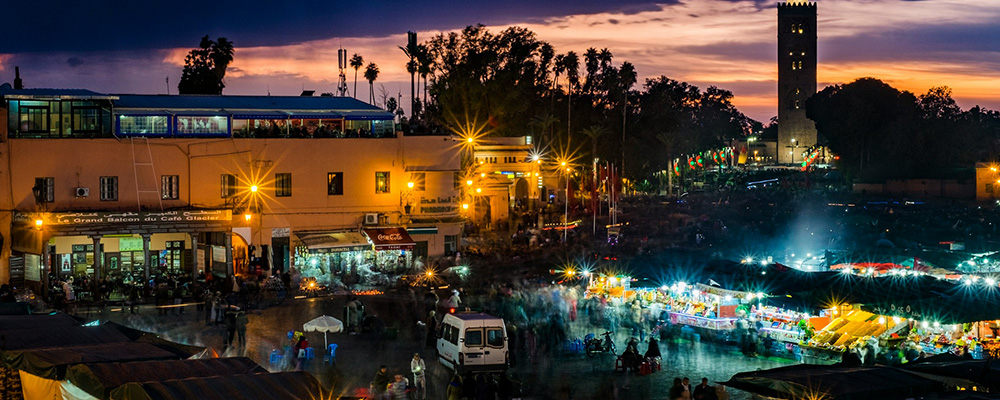
Place des Mechouar
.jpeg)
Place des Mechouar Marrakech: Discover the Historic Royal Square
Discover Place des Mechouar in Marrakech, an important historic space connected to Morocco's royal heritage and the former ceremonial life of the imperial city. Located in the southern part of the Medina, near the Royal Palace and the historic Kasbah, this remarkable area offers a different perspective on Marrakech beyond its famous souks and monuments. Explore the city with our guided Marrakech Medina walking tour, or discover another side of Moroccan craftsmanship with our Marrakech carpets and rug shopping experience. Our local guiding has been recommended by Rick Steves and featured in the Rough Guide to Morocco. To arrange your visit, contact us on WhatsApp at +212 614 905 398 or complete our booking form. Nothing is payable upfront; you pay at the end of your tour.

What Is Place des Mechouar in Marrakech?
Place des Mechouar is associated with the historic royal district of Marrakech and the large ceremonial spaces surrounding the Royal Palace, known as Dar el-Makhzen.
The word Mechouar is used in Morocco for an important palace square or esplanade traditionally associated with royal audiences, official ceremonies and the reception of important visitors.
Unlike the narrow commercial streets of the central Medina, the Mechouar is a large open space. Its scale reflects the importance of the royal district and the ceremonial traditions that once formed part of Moroccan political life.
For centuries, Marrakech was one of Morocco's most important imperial cities. Its rulers developed palaces, gardens, mosques, defensive walls and ceremonial spaces that reflected the authority and prestige of successive dynasties.
Place des Mechouar provides an interesting opportunity to understand this royal history and the relationship between the palace, the Kasbah and the surrounding neighborhoods.
The History of the Grand Mechouar
The history of the Mechouar is closely connected to the development of Marrakech as a royal capital.
The southern part of the Medina became particularly important during the Almohad period, when the royal Kasbah was established as a major center of political and administrative power.
Later dynasties continued to develop and modify the royal complex. The Saadians made Marrakech an important imperial capital during the 16th century, constructing remarkable buildings and transforming the surrounding district.
A particularly important period in the development of the Mechouars came during the second half of the 18th century under the Alaouite Sultan Sidi Mohammed Ben Abdallah.
Historical architectural documentation describes the Grand Mechouar as an enormous esplanade, approximately 360 metres long and 180 metres wide. It was designed for ceremonies of allegiance and the formal reception of national and foreign delegations.
This gives an idea of the scale and importance of the space. It was not simply an ordinary public square, but an architectural setting designed for occasions connected to the Moroccan monarchy.
The Royal Palace of Marrakech: Dar el-Makhzen
One of the most important landmarks associated with Place des Mechouar is the Royal Palace of Marrakech, known as Dar el-Makhzen.
The palace occupies a large area within the southern Kasbah district. Its history is connected to the different dynasties that ruled Morocco, with successive rulers expanding, rebuilding and adapting the royal complex.
Visitors approaching the area can appreciate the imposing ochre-colored walls, monumental entrances and the scale of the palace enclosure.
The palace remains an official royal residence and is not open to ordinary visitors. It is important to understand this before planning a visit: the experience is about discovering the exterior surroundings and their history, not entering the royal buildings.
When walking around the area, visitors should respect security instructions and avoid photographing guards or restricted entrances. Access to certain sections of the surrounding esplanade can also be subject to security arrangements.
For anyone interested in Moroccan architecture and royal history, the exterior of the palace is nevertheless an interesting part of the southern Medina.
Why Was the Mechouar Important to Moroccan Royal Life?
Historically, the Mechouar was a place where the relationship between the ruler, the administration and important visitors was expressed through formal ceremonies.
Royal audiences, official receptions and ceremonies of allegiance were important parts of political life in Morocco.
Large ceremonial spaces allowed delegations, representatives and other important visitors to gather before or during official occasions.
The design of these squares also reflected the importance of the palace. Their size, entrances and surrounding architecture created an appropriate setting for royal ceremonies.
When you understand this historical function, the Mechouar becomes much more than an open square beside a palace wall. It becomes part of the story of how Marrakech developed as an imperial city.
Architecture and the Atmosphere Around Place des Mechouar
One of the most interesting aspects of this area is its contrast with other parts of Marrakech.
The central souks are characterized by narrow covered streets, small workshops, traditional shops and busy commercial activity. Around the Mechouar, the atmosphere is more open and monumental.
The long earthen walls, large gates and broad open spaces reflect a different architectural purpose.
Moroccan royal architecture often combines practical construction with decorative elements that communicate prestige and authority. The use of traditional materials, monumental entrances and carefully designed architectural proportions gives the royal district a distinctive character.
As you explore the surrounding area, take time to notice the relationship between the palace walls, the Kasbah streets and the historic buildings nearby.
These details help explain how Marrakech developed around its royal and religious centers.
The Qoubbat Essaouira and the Historic Grand Mechouar
Historical architectural records also mention the Qoubbat Essaouira, a pavilion associated with the Grand Mechouar and its southern axis.
The pavilion is described as an example of 18th-century architectural design, featuring an open loggia and decorative elements that reflect the artistic influences of that period.
Its architectural character illustrates how Moroccan royal buildings could incorporate different decorative influences while maintaining their distinctive local identity.
For visitors interested in the history of Moroccan architecture, this is another detail that makes the Mechouar area particularly interesting.
Exploring the Kasbah Around the Mechouar
Place des Mechouar is best understood as part of the wider historic Kasbah district.
The Kasbah was the former royal quarter of Marrakech. Its history goes back to the Almohad period, when the rulers established an important royal complex in the southern part of the city.
Today, the neighborhood contains several important historic attractions, residential streets and traditional local businesses.
One of the most recognizable landmarks is Bab Agnaou, the impressive historic gateway dating from the 12th century.
Other nearby attractions include the Saadian Tombs and El Badi Palace, both associated with the history of the Saadian dynasty.
Exploring the Kasbah on foot helps visitors understand the connections between these different historical places and the development of the royal district.
Bab Agnaou: The Historic Entrance to the Royal Kasbah
Bab Agnaou is one of the most beautiful historic gates in Marrakech.
Built during the Almohad period in the late 12th century, it served as an important ceremonial entrance to the royal Kasbah.
Its impressive stone decoration, horseshoe-shaped arch and carved architectural details make it one of the city's most recognizable historical landmarks.
The gate is particularly interesting because it demonstrates the importance of the southern royal district during the Almohad period.
From Bab Agnaou, visitors can continue towards the Kasbah Mosque, the Saadian Tombs and other historic attractions.
The Saadian Tombs and the History of the Royal Dynasties
Another important attraction in the surrounding Kasbah is the Saadian Tombs.
This historic funerary complex is associated with the Saadian dynasty, particularly Sultan Ahmad al-Mansur, who ruled during the 16th century.
The tombs are famous for their marble columns, carved cedar ceilings, decorative stucco and colorful zellij work.
The Chamber of the Twelve Columns is especially impressive and demonstrates the extraordinary level of craftsmanship achieved during the Saadian period.
The complex remained largely hidden for centuries before its rediscovery in 1917.
Visiting the tombs provides an opportunity to understand the artistic and political ambitions of the Saadian rulers and their contribution to Marrakech's architectural heritage.
Monument entrance tickets are separate from any guiding service.
El Badi Palace: Another Important Royal Monument Nearby
El Badi Palace is another important historical monument within walking distance of the Mechouar area.
Constructed under Sultan Ahmad al-Mansur in the late 16th century, it was designed as a magnificent royal palace reflecting the wealth and international influence of the Saadian dynasty.
Although much of the original decoration and architecture has disappeared, the remaining walls, enormous courtyard, sunken gardens and historic structures still reveal the impressive scale of the original complex.
Today, El Badi Palace is one of the most interesting places to visit when exploring the southern Medina.
Its ruins offer a different experience from the decorated interiors of other Moroccan palaces and provide an opportunity to imagine the grandeur of the Saadian court.
Discovering the Neighborhoods Around the Royal Palace
The surroundings of the Mechouar are also interesting because they connect several historic neighborhoods of Marrakech.
As you explore the southern Medina, you can discover traditional residential streets, small shops, historic buildings and local businesses.
Moving towards the east, the historic Mellah offers another perspective on Marrakech's cultural heritage. This former Jewish quarter is known for its traditional architecture, historic religious sites and spice market.
The wider area also connects with Place des Ferblantiers, where visitors can discover traditional metalwork and shops selling lanterns and decorative objects.
For visitors who want to explore more of the old city, our guided Medina walking tour is an excellent way to discover the history, architecture and everyday life of Marrakech.
Can You Visit Place des Mechouar?
The Mechouar is associated with the exterior surroundings of the Royal Palace, but visitors should understand that it is not a conventional monument with a guaranteed public visiting schedule.
The royal palace itself is not open to ordinary visitors. Certain exterior viewpoints and areas may be accessible, while access to specific sections can change according to official and security arrangements.
Before visiting, follow the instructions of security personnel and respect any restricted areas.
Do not attempt to enter the palace or approach restricted gates. Avoid photographing guards, security installations or entrances when instructed not to do so.
If access is restricted on the day of your visit, you can still explore other historic attractions in the Kasbah and enjoy the surrounding architectural heritage.
How to Reach Place des Mechouar from Jemaa el-Fna
Place des Mechouar is situated in the southern part of Marrakech's historic Medina.
Depending on your starting point and the access arrangements in place, you can approach the wider royal district through the Kasbah area.
Visitors exploring on foot can combine the southern Medina with other nearby historic attractions.
A possible sightseeing route includes:
- Bab Agnaou and the historic Kasbah entrance.
- The Kasbah Mosque and its distinctive minaret, viewed from outside.
- The Saadian Tombs.
- El Badi Palace.
- The exterior surroundings of the Royal Palace and Mechouar, where access is permitted.
- Place des Ferblantiers and the Mellah.
- Bahia Palace and the surrounding historic streets.
This route offers a particularly interesting introduction to the history of southern Marrakech. The exact order can be adapted according to opening times, walking pace and any access restrictions.
When Is the Best Time to Explore the Mechouar Area?
Morning and late afternoon are generally comfortable periods for exploring the southern Medina on foot.
During summer, the midday heat can make walking less enjoyable, especially in open areas where there is limited shade.
In the cooler months, the area is pleasant for walking during much of the day.
Remember that access to the royal surroundings is not controlled like an ordinary museum. Security arrangements and official events may affect where visitors can walk.
For a broader visit to Marrakech, you can also read our guide to things to do in Marrakech.
Why Discover Marrakech's Royal History with a Local Guide?
Understanding the history of Marrakech requires more than knowing the names of its monuments.
The city has developed through successive dynasties, each leaving its own architectural and cultural influence. The Kasbah, the royal palace, the historic gates and the surrounding neighborhoods are all connected.
With an experienced local guide, visitors can understand how these places fit together and why they became important in the history of Morocco.
Having guided visitors since 2004, I enjoy explaining the stories behind Marrakech's historic streets and introducing travelers to places they might otherwise pass without understanding their importance.
Our approach is personal and flexible. We can concentrate on historical sites, discover traditional neighborhoods or combine cultural visits with the Medina's artisan areas, depending on your interests.
We also offer dedicated experiences for visitors interested in Moroccan craftsmanship and shopping, including our carpet and rug shopping tour and Marrakech souks shopping tour.
You can explore our complete range of Marrakech tours to find the experience that best suits your visit.
Private and Group Walking Tours in Marrakech
If you would like to explore the southern Medina with a local guide, we offer private walking experiences every day, with morning and afternoon departures.
Private Walking Tour
- 1 to 2 people: 900 MAD total.
- 3 to 4 people: 1,200 MAD total.
- 5 to 6 people: 1,500 MAD total.
Private departures are available daily at 9:00 am and 2:00 pm.
Shared Group Walking Tour Without Shopping
- 300 MAD per person.
- Monday, Wednesday, Friday and Sunday.
- Departure at 10:00 am.
- Maximum 15 participants.
For a shopping-focused experience, our separate shared shopping tour is available at 250 MAD per person on Tuesday, Thursday and Saturday, with a maximum of 10 participants.
Our guiding languages are English and French. Italian and Spanish can be arranged on request, preferably for private tours.
There is no advance payment. You pay at the end of your experience.
If you are planning your visit soon, check our Marrakech tours available this week or explore our group tour information.
Practical Advice Before Your Visit
- Wear comfortable shoes: Exploring the Kasbah involves walking through traditional streets and uneven surfaces.
- Bring water: Especially during the warmer months.
- Protect yourself from the sun: A hat and sunscreen are useful when walking in open areas.
- Respect royal security: Follow instructions and stay away from restricted gates and areas.
- Ask before photographing people: Respect local residents and security restrictions.
- Allow extra time: Combine the Mechouar with nearby historic attractions rather than rushing through the area.
If you plan to continue into the traditional markets, consult our complete guide to Marrakech souk opening and closing times.
Discover the Royal Heritage of Marrakech with Visit Marrakech Medina
Place des Mechouar is an interesting part of Marrakech's royal heritage. Its history helps visitors understand how the city developed as an imperial capital and how ceremonial spaces formed part of Moroccan royal life.
From the monumental palace surroundings to the historic Kasbah, the area offers a different perspective on Marrakech from the busy commercial streets of the central Medina.
Whether you are interested in Moroccan history, royal architecture, traditional neighborhoods or the stories of the different dynasties, exploring this part of the city can add an important dimension to your visit.
At Visit Marrakech Medina, we believe that discovering a city means understanding its history as well as experiencing its everyday life.
Join us to discover the real Marrakech with local knowledge, authentic experiences and a relaxed approach to exploring the Medina.
Book Your Marrakech Walking Experience
Would you like to discover the historic Kasbah, the royal surroundings and the fascinating southern Medina with an experienced local guide?
We would be delighted to help you arrange a private walking experience adapted to your interests and available time.
Contact us before your arrival or while you are already staying in Marrakech. We will help you choose the most suitable experience and confirm the meeting arrangements.
Contact Visit Marrakech Medina:
WhatsApp Morocco: +212 614 905 398
Complete our online booking form
Nothing to pay upfront. You pay at the end of your tour.
Discover our full range of authentic Marrakech tours on our homepage.
We look forward to welcoming you to Marrakech and sharing the history, culture and hidden details of our beautiful city.