Pay by Card in Marrakech or Is Cash Better?
Can You Pay by Card in Marrakech, or Is Cash Better? A 2026 Guide
One of the most practical questions any traveler asks before visiting Marrakech is a simple one: do I need cash, or can I get by with my card? The honest answer is that you need both, but understanding exactly when to use each will save you stress, fees, and potentially some awkward moments in the middle of a souk negotiation.
Here is everything you need to know about paying in Marrakech in 2026.
The Short Answer: Cash Is Still King
While Morocco has a relatively high rate of debit and credit card ownership compared to other North African countries, cash is still the most widely used payment method. If you rely only on cards, you will likely miss out on many of the experiences that make Marrakech what it is. Street food stalls, souk shopping, small local restaurants, taxis, tips, bargaining, and spontaneous purchases all run on cash.
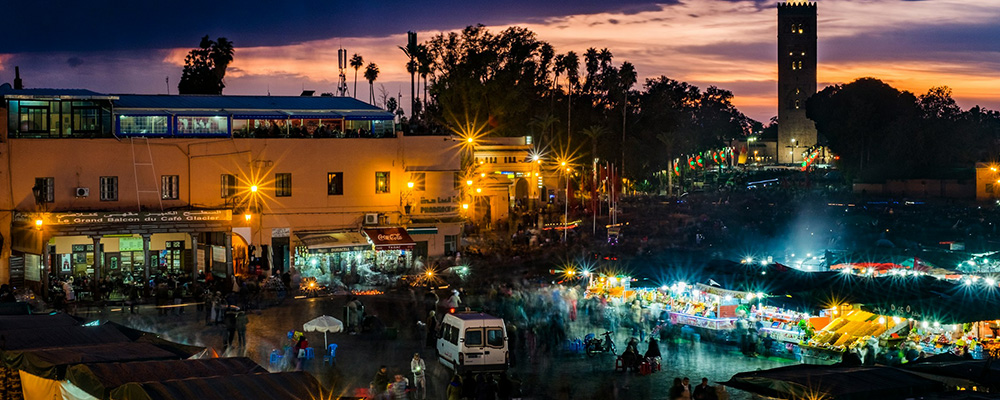
Marrakech in 2026 sits at an interesting crossroads: modern enough for card payments at polished hotels and upscale restaurants, yet gloriously traditional in its souks, hammams, and street life where dirham notes remain the universal language of commerce.
The bottom line is this: bring a card, but never leave your accommodation without cash in your pocket.
Where Cards Are Accepted
The good news is that cards work reliably in a growing number of places across Marrakech. In 2026, card payments work reliably at large hotels, many upscale restaurants, supermarkets, malls, and major tourist attractions.
Most mid-range and luxury accommodations accept cards. Upscale and tourist-oriented restaurants often allow card payments. Modern stores, boutiques, and supermarkets take cards. Many museums and guided tour companies also accept card payments.
When it comes to which cards to bring, Visa and Mastercard are widely accepted for both point-of-sale terminals and ATM withdrawals and should be your primary payment options. American Express finds limited acceptance, mainly at upscale restaurants, luxury hotels, and larger international shops. Discover and Diners Club have near-zero acceptance and should never be your only bank card.
Contactless payments are also slowly making their way into the city. The contactless limit in Morocco is 600 dirhams, after which you will need to enter your PIN.
Where You Will Need Cash
Step outside the larger hotels and tourist restaurants, and cash becomes non-negotiable. In the souks, cash is king. Unless you are buying something very expensive like a large rug or a statement lamp, card payments are usually not accepted. Even then, card machines sometimes stop working, especially if the merchant senses you are not fully comfortable with the local system.
Beyond the souks, you will need cash for taxis, tips, street food stalls, hammams, and most small local restaurants. Entry to smaller cultural sites and museums is also typically cash-only. It is wise to keep small bills of 5, 10, and 20 MAD notes separate from your larger notes, as vendors frequently claim to have no change, and having exact money prevents awkward moments and potential overcharging.
ATMs in Marrakech: What You Need to Know
ATMs are widely available in Marrakech, particularly near Jemaa el-Fnaa, the Gueliz neighborhood, and around the Majorelle Garden. Major Moroccan banks including Attijariwafa Bank, Banque Populaire, Société Générale, and BMCE all operate machines that accept international Visa and Mastercard.
ATMs in Morocco typically dispense a maximum of 2,000 to 4,000 MAD per transaction depending on the bank and your card's daily limit. Your home bank may charge foreign transaction fees of 1 to 3%, and some Moroccan ATMs add a small local fee on top. To minimize fees, withdraw larger amounts less frequently rather than making multiple small withdrawals.
One important tip: when the ATM asks whether you want it to convert the currency for you, always decline. Let your own bank handle the conversion, as the ATM exchange rate is almost always worse.
It is also worth informing your bank before you travel, as many cards are blocked for overseas use by default. A quick call or toggle in your banking app before you fly prevents the frustration of a declined card at an ATM on day one.
The Smartest Approach: Use Both
The travelers who navigate Marrakech most smoothly are those who arrive with both options ready. Use your card for accommodation, larger restaurant bills, guided tours booked in advance, and supermarket shopping. Use cash for everything else: taxis, street food, souk shopping, hammams, tips, and entry fees at smaller sites.
A practical rhythm that works well for many visitors is to withdraw a moderate amount of dirhams on arrival, use cards wherever accepted to preserve your cash, and top up at a reputable bank ATM before heading into the medina for a day of exploring.
Carrying lots of cash at any one time is a security risk in a busy city like Marrakech, so making smaller, regular withdrawals as needed is a smarter approach than arriving with a large sum.
Final Thoughts
Marrakech is not a cashless city, and it is unlikely to become one anytime soon. Cash is essential for experiencing the city authentically, from its legendary street food to its labyrinthine souks and centuries-old hammams. But cards have their place too, and using them strategically at hotels and larger establishments helps you manage your spending and avoid unnecessary fees.
Bring both, plan ahead, and you will move through one of the world's most captivating cities without a single financial headache.
WhatsApp Morocco +212 614905398