
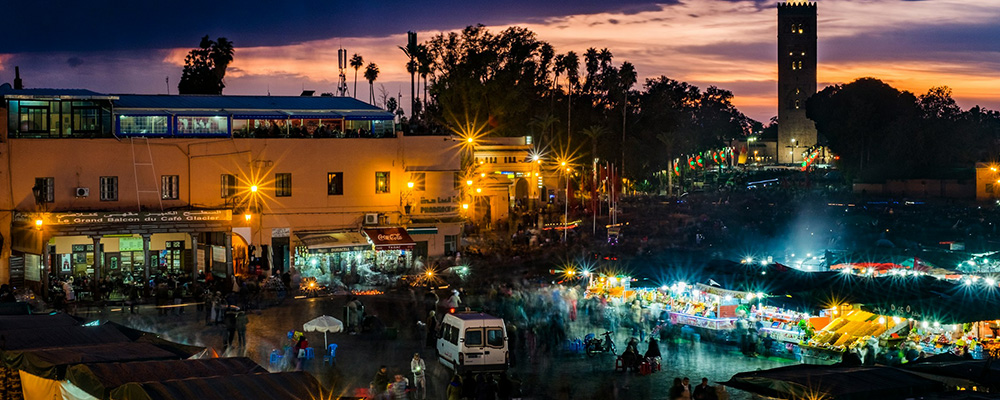
Marrakech Walking Tour Essentials
.jpeg)
Walking Tour Essentials: Map, Shoes, Water
Walking tours have long been one of the most rewarding ways to experience a city. Whether you’re wandering through a historic district in Europe, weaving through the souks of Marrakech, or strolling along coastal villages in Asia, walking allows you to connect with a destination in a way that buses and taxis never can. Every step brings you closer to local life—hearing the sounds of the street, smelling spices in the air, and noticing details you’d otherwise miss.
But as simple as a walking tour may sound, preparation is key. A few small choices before you set out can determine whether your tour is comfortable and enriching—or exhausting and stressful. While many items can enhance the experience, three stand above the rest: a map, comfortable shoes, and water. These essentials may seem obvious, but they are often overlooked until it’s too late.
This guide explores each of these in depth, offering practical tips, expert advice, and personal insights to help you make the most of your walking adventures.
Why Walking Tours Matter
Before we dive into the essentials, let’s pause and consider why walking tours are such a powerful way to explore.
Immersion: Walking places you in the heart of the environment. You’re not looking through a bus window—you’re in the market, hearing merchants haggle, children laugh, and footsteps echo in narrow alleys.
Flexibility: You can stop whenever something catches your eye. If you notice a hidden courtyard, a small café, or a colorful shop, you’re free to pause and explore.
Sustainability: Walking leaves a smaller footprint than other forms of tourism. It’s eco-friendly, cost-effective, and supports local businesses you encounter along the way.
Health Benefits: Walking tours combine travel with exercise. You’ll burn calories, improve circulation, and strengthen your body—all while sightseeing.
For these reasons, walking tours are more than just a way to get around. They are a philosophy of travel: slow, intentional, and deeply connected to place. And that philosophy only works if you’re prepared.
Essential #1: A Reliable Map
A map is the foundation of a successful walking tour. In an unfamiliar city, streets often twist and turn in ways that surprise even the most confident travelers.
Paper Maps vs. Digital Maps
Paper Maps: Still valuable, especially in historic districts like Marrakech’s Medina, where GPS signals sometimes fail. Paper maps allow you to see the “big picture” without zooming or scrolling. They also never run out of battery.
Digital Maps: Apps like Google Maps, Maps.me, and Citymapper offer real-time navigation. Many let you download offline maps so you’re covered even without internet. They’re convenient for searching specific locations like restaurants or museums.
Best Practice: Carry both. Use digital maps for precision and paper maps for overall orientation.
Tips for Using Maps on Walking Tours
1. Download Offline Maps Before You Go: Internet access is unreliable in many old cities and remote areas. Download maps in advance to avoid frustration.
2. Mark Key Landmarks: Pin your starting point, major attractions, and rest stops like cafés or water fountains.
3. Learn the Street Pattern: Some cities follow grids (easy to navigate), while others (like medieval towns) have organic, winding layouts. Understanding the pattern reduces confusion
4. Use Maps as a Guide, Not a Dictator: Don’t be afraid to wander a little. Maps should help you, not trap you in a rigid path.
Cultural Considerations
In places like Marrakech, pulling out a map in the middle of a crowded souk can draw attention. If you’re using a paper map, step aside to a quieter corner before unfolding it. With digital maps, keep your phone secure and discreet.
Essential #2: Comfortable Shoes
If the map shows you where to go, your shoes get you there. Poor footwear is the number one reason people cut walking tours short. Blisters, sore arches, and tired legs can turn a beautiful day into misery.
What Makes Shoes “Walking Tour Ready”?
Comfort: Cushioning and arch support reduce fatigue.
Grip: Good traction prevents slips on cobblestones, wet streets, or dusty alleys.
Breathability: Feet can overheat quickly in warm climates. Lightweight, breathable fabrics keep you cool.
Durability: Walking tours often cover 5–10 kilometers (3–6 miles) or more. Shoes must withstand long distances.
Types of Recommended Shoes
1. Walking Shoes: Specifically designed for long distances.
2. Running Shoes: Lightweight and supportive, often more stylish than dedicated walking shoes.
3. Lightweight Hiking Shoes: Best for tours with uneven ground or hills.
4. Sandals with Support: Suitable for hot climates, but avoid flimsy flip-flops.
Mistakes to Avoid
Brand-New Shoes: Never start a walking tour in shoes you haven’t broken in. Wear them for shorter walks first.
Fashion Over Function: Stylish but uncomfortable shoes will leave you limping.
Ignoring Socks: Good socks prevent blisters. Opt for moisture-wicking materials.
Real-Life Example
Imagine navigating Marrakech’s Medina. The alleys are paved with centuries-old stones, uneven and polished smooth by thousands of feet. Comfortable shoes with grip make the difference between strolling confidently and struggling to keep your balance.
Essential #3: Water for Hydration
Walking tours are physical activities, and hydration is crucial. Even in cooler weather, you lose water through movement. In hot climates, the risk of dehydration rises sharply.
Why Hydration Matters
Energy: Dehydration leads to fatigue and slower reaction times.
Health: It can cause headaches, dizziness, and even heatstroke.
Enjoyment: Being thirsty distracts you from the experience.
How Much Water to Bring
Short Tours (1–2 hours): 500 ml is usually enough.
Long Tours (3–6 hours): Carry at least 1 liter.
Hot Climates: Plan for more. In Marrakech during summer, temperatures can exceed 40°C (104°F).
Best Practices
Reusable Bottles: Eco-friendly and sturdy. Insulated bottles keep water cool for hours.
Refill Opportunities: Research in advance where you can refill—cafés, fountains, or convenience stores.
Electrolytes: On long or hot tours, add electrolyte tablets to replace minerals lost through sweat.
Staying Safe
Avoid drinking water from unsafe sources. In many destinations, including Morocco, bottled or filtered water is recommended.
Beyond the Basics: Other Helpful Essentials
While maps, shoes, and water are the top three, a few other items can enhance your comfort:
Hat and Sunscreen: Protection from the sun prevents burns and heat exhaustion.
Snacks: Nuts, fruit, or energy bars keep you fueled.
First-Aid Kit: Band-Aids for blisters, pain relievers, and hand sanitizer.
Cash: Small bills or coins for markets and cafés.
Notebook or Phone Camera: To capture memories and jot down insights.
Mistakes Travelers Often Make
1. Overpacking: Carrying too much turns a light stroll into a burden.
2. Underestimating Distance: Tours can cover more ground than expected—sometimes 10 km or more.
3. Ignoring Weather: Rain, heat, or cold can change everything. Always check the forecast
4. Not Taking Breaks: Rest regularly to stay energized.
5. Skipping Local Guidance: Self-guided walks are fine, but a local guide adds layers of history, culture, and insider access.
Personal Touch: How Guides Prepare Guests
As a professional guide in Marrakech, I always remind my guests of these essentials before a tour begins. Many visitors underestimate the Medina’s labyrinthine layout or the intensity of the sun. I make sure everyone has water, encourage good footwear, and help them use maps effectively. These small preparations ensure guests focus on the beauty of the city rather than on discomfort.
The Walking Tour Mindset
Ultimately, a successful walking tour is not about speed or ticking off landmarks—it’s about presence. With the right essentials, you free yourself from distractions and can immerse fully in the journey. Every step becomes part of the story: the conversations you overhear, the street art you notice, the scents that drift through the air.
A map, shoes, and water may seem ordinary, but together they unlock extraordinary experiences.
Conclusion
Walking tours are a timeless way to explore the world—intimate, sustainable, and unforgettable. By carrying a reliable map, wearing comfortable shoes, and keeping water at hand, you equip yourself to enjoy the journey with ease and confidence. These essentials are simple, but they safeguard your comfort, health, and peace of mind, allowing you to focus on what truly matters: discovery.
So before your next walking adventure—whether through Marrakech’s Medina, Paris’s boulevards, or Kyoto’s temples—remember this trio. They are not just items in your bag; they are your passport to an enriching experience.
Ready to experience the hidden treasures of Marrakech on foot? Join me for a guided Medina Walking Tour, where I’ll help you navigate the labyrinth of alleys, introduce you to artisans, and ensure your journey is safe, comfortable, and unforgettable.
WhatsApp Morocco +212614905398