
Marrakech Souk Guide | How to Avoid Tourist Traps
.jpeg)
Marrakech Souk Guide: Avoiding Tourist Traps
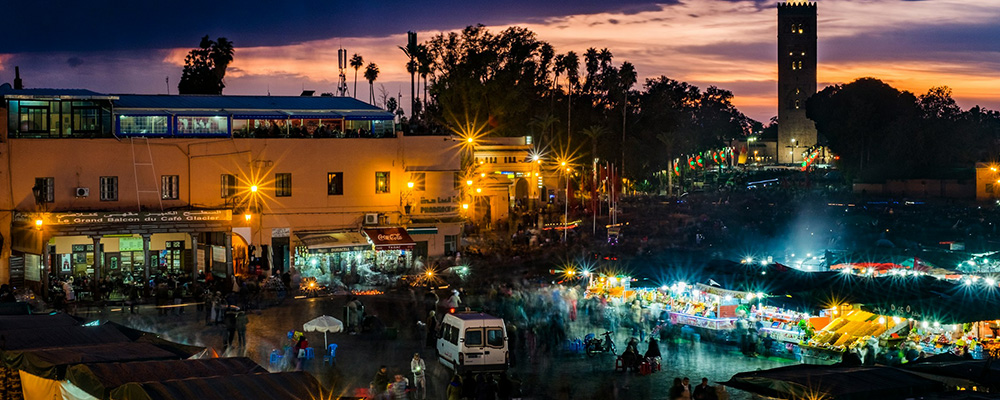
The Marrakech souks are a living, breathing world of color, sound, and craftsmanship—a labyrinth of treasures waiting to be discovered. Yet for many travelers, this same magic can quickly turn into confusion. The maze-like alleys, the fast-talking sellers, and the overwhelming energy can make it hard to know where to go and who to trust. That’s why having a true Marrakech souk guide—or at least understanding the city’s rhythm—makes all the difference between an unforgettable shopping experience and a stressful one.
Understanding the Medina’s Layout
The Medina of Marrakech is one of the most fascinating marketplaces in the world. But it’s also one of the easiest to get lost in. There’s no clear grid, no straight lines—just centuries of organic growth, with souks branching off into smaller lanes and hidden courtyards. The best way to start your shopping adventure is by understanding the main sections:
Souk Semmarine: The main artery of the Medina, filled with carpets, leather bags, and lamps.
Souk el Attarine: Known for spices, perfumes, and traditional oils.
Souk Haddadine: The metalworkers’ district, where artisans hammer brass and iron by hand.
Souk Cherratine: Famous for leather goods.
Souk des Teinturiers: The dyers’ souk, filled with colorful threads and fabrics drying overhead.
Each souk has its own charm and specialization. A guide helps you navigate smoothly, explaining what’s authentic and what’s simply made for tourists.
The Reality of Tourist Traps
Many first-time visitors are enchanted by the beauty of the souks but unaware of how easy it is to overpay or be misled. Some sellers inflate prices tenfold, expecting tourists to bargain down. Others offer “antiques” that are factory-made, or “handmade rugs” that were never touched by an artisan. A few even claim to be official guides and lead you into shops that pay them commissions.
These practices can leave a bitter taste in what should be a magical experience. But don’t worry—awareness is your best defense. With the right knowledge or a trusted local guide, you can avoid these traps completely and enjoy shopping the way Moroccans do: with respect, honesty, and joy.
How to Recognize Authentic Artisans
One of the best parts of exploring Marrakech is meeting the artisans who keep centuries-old crafts alive. From brass lamp makers to Berber carpet weavers, these skilled craftsmen are the heart of the Medina. The challenge is finding them among the countless souvenir sellers.
Here are key signs you’re dealing with a true artisan:
1. You can see the work being done: Authentic workshops are open spaces where you can observe the process.
2. They know their materials: A real craftsman can explain where their leather, wood, or wool comes from.
3. No aggressive selling: True artisans take pride in their work—they don’t need to pressure you.
4. Consistency of style: Handmade pieces often have slight imperfections, showing they were crafted by hand.
A good local guide can introduce you to real artisans and explain how their techniques have been passed down for generations.
Bargaining the Right Way
Haggling is part of Moroccan culture—it’s expected, even enjoyed. But there’s a respectful art to it. Many tourists either feel too shy to bargain or go too far, turning it into a fight instead of a friendly exchange.
Here’s how to do it right:
Start by greeting the seller: Salam alaikum (peace be upon you) goes a long way.
Ask for the price, then offer about half.
Smile, stay polite, and don’t show too much eagerness.
If you walk away, the seller will often call you back with a better offer.
Remember, the goal isn’t to “win” but to agree on a fair price where both parties feel happy. With a guide, this process becomes much smoother—your guide knows the fair market rates and can help you get genuine value without stress.
Avoiding Common Scams
The Medina has its share of tricks that catch unaware travelers. Some of the most common include:
“Friendly helpers” who offer to show you around, then demand payment.
“Fixed price” shops pretending to be cooperatives but selling mass-produced goods.
“Magic carpets” that are not authentic handwoven rugs.
Spice sellers offering artificial powders instead of real saffron or cumin.
To stay safe, don’t follow strangers, don’t give money upfront, and don’t believe anyone who says “no commission.” Real cooperatives have clear signage and receipts, and they never pressure you.
When to Visit the Souks
Timing matters in Marrakech. Early morning (around 9–10 a.m.) is calm, with shopkeepers in good spirits and fresh displays. Late afternoon can be busier but full of life as locals finish their shopping. Avoid midday in summer—it’s hot, and many artisans take breaks.
Weekdays are better than weekends for browsing, and Fridays (the holy day) are quieter. A guided tour usually plans the timing perfectly to match the best hours and avoid crowds.
What to Buy (and What to Skip)
There’s a reason Marrakech is famous for shopping. Here are some treasures worth seeking out:
Handwoven rugs from the Atlas Mountains.
Leather bags and slippers from traditional tanneries.
Brass lamps and lanterns, hand-engraved with stunning designs.
Argan oil, produced by women’s cooperatives.
Ceramics and pottery, especially from Safi and Fez.
Avoid cheap “souvenirs” like plastic camels, fake fossils, or machine-made jewelry. If it looks too perfect, it’s probably not handmade.
The Role of a Local Guide
A professional guide like Rachid Boussalem transforms your shopping experience. Instead of worrying about prices or directions, you focus on enjoying the culture. Rachid walks with you through the Medina, introducing you to real artisans, explaining traditions, and ensuring you never overpay.
Guided shopping tours also include hidden spots most tourists never find—tiny workshops, family-run cooperatives, and quiet courtyards where craftsmen work in peace. These are places where your money supports real Moroccan families, not middlemen.
The Cultural Side of Shopping
In Morocco, buying something is not just a transaction—it’s a social ritual. You’re invited to sit, share mint tea, and talk. This moment of hospitality is sacred, reflecting Moroccan generosity and respect. Rushing or refusing tea can seem impolite.
A good guide helps you navigate these customs with ease, translating conversations and explaining etiquette so you can connect genuinely with locals.
How to Tell If a Price Is Fair
There’s no fixed price list in the souks, so it helps to compare. For example:
Small souvenirs like keychains: 20–40 MAD
Leather slippers: 150–300 MAD
Handwoven carpets: 800–3000 MAD depending on size and quality
Argan oil (100ml): around 100–150 MAD if genuine
If something is too cheap to be real, it probably is. Real craftsmanship takes time and skill, and your guide can confirm what’s worth the price.
Supporting Ethical Shopping
When you buy directly from artisans or certified cooperatives, you’re helping preserve Moroccan heritage. Many crafts are endangered because of cheap factory imports. Supporting authentic work means empowering families and keeping cultural traditions alive.
Your guide ensures your purchases have meaning and impact—whether it’s a handmade rug woven by Berber women or brass lamps crafted in Marrakech’s oldest souk.
Staying Safe and Respectful
The Medina is safe overall, but its crowds can be intense. Keep valuables close, dress modestly, and stay aware of your surroundings. Always ask before taking photos, especially of people.
Guides help you move confidently through the souks, avoiding narrow lanes that lead nowhere or sellers who become too pushy. With local insight, you always walk with purpose.
Enjoying the Experience
Remember, the souks are not just about shopping—they’re about discovery. The smells of spices, the glow of lanterns, the hum of conversation—all these make the experience unforgettable. Take your time, listen to your guide’s stories, and let Marrakech reveal itself step by step.
Every object you buy becomes a memory, a piece of the city’s soul you carry home.
Final Tips Before You Go
1. Bring cash in small bills (many shops don’t take cards).
2. Wear comfortable shoes—the streets are uneven.
3. Don’t shop on your first day—explore first to understand prices.
4. Be polite but firm if you’re not interested.
5. Trust your guide’s advice—they know the real Marrakech.
Conclusion: Walk Smart, Shop Authentically
The Marrakech souks are among the most enchanting markets on Earth—but to truly enjoy them, you need to walk smart. A guided walking tour ensures that every moment is about discovery, not stress. You meet real artisans, buy authentic crafts, and understand the meaning behind what you see.
With a trusted local like Rachid Boussalem, the souks transform from a maze into a masterpiece. You don’t just shop—you connect, learn, and become part of Marrakech’s living story.
Avoid the traps. Follow the locals. And let your next purchase tell a story worth remembering.
Book Now WhatsApp Morocco +212614905398