
Marrakech Shopping Local Secrets
.jpeg)
Shopping in Marrakech: What Locals Know That Tourists Don’t
Introduction
Shopping in Marrakech is one of the highlights of visiting Morocco. The colorful souks, the scent of spices, the sound of craftsmen at work, and the endless displays of handmade treasures create an unforgettable experience. However, there is a huge difference between shopping like a tourist and shopping like a local. Most visitors only see the surface of the Medina, while locals know where the best workshops are hidden, when to shop, how to recognize quality, and how to avoid paying too much. Understanding these local secrets can transform your shopping experience. Instead of buying mass-produced souvenirs, you can discover authentic Moroccan craftsmanship while supporting local artisans. Whether you are looking for rugs, leather bags, pottery, lanterns, spices, or traditional clothing, knowing how Marrakech works will help you make better purchases and enjoy every moment.
The Best Shops Are Rarely on the Main Streets
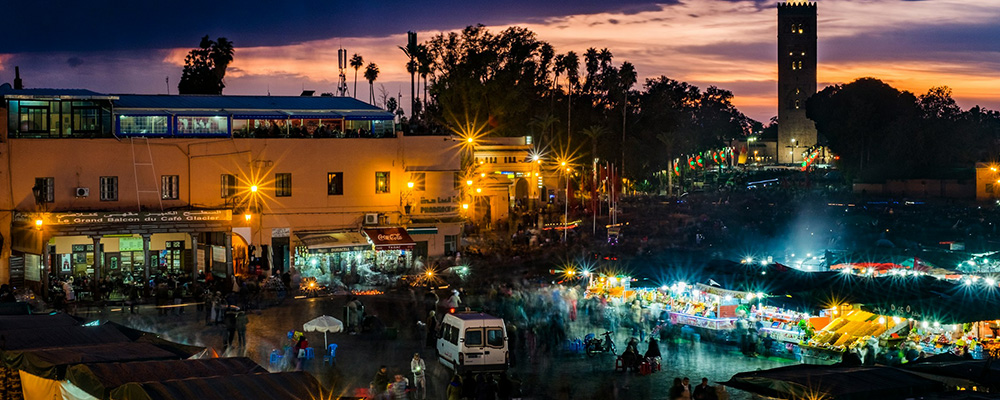
Most tourists spend their time around Jemaa el-Fna and the busiest souks. These areas are exciting, but they also attract shops that focus mainly on visitors. Locals know that the highest-quality workshops are often hidden inside narrow alleys where generations of artisans continue traditional techniques. Walking just a few minutes away from the busiest streets can reveal quieter workshops where products are actually made rather than simply resold. These family businesses often produce handmade items with greater attention to detail and offer a more authentic shopping experience.
Quality Always Comes Before Price
Many first-time visitors focus entirely on finding the lowest price. Local shoppers think differently. They examine the quality first. A genuine leather bag should feel soft yet durable. A handmade rug should have strong knots and natural materials. Pottery should be carefully painted without obvious defects. Paying a little more for authentic craftsmanship usually means your purchase will last for many years instead of becoming a short-lived souvenir.
Bargaining Is About Respect
Negotiation is part of Moroccan culture, but locals understand that bargaining is a friendly conversation rather than a battle. The best approach is to smile, remain polite, and negotiate patiently. If the price does not suit your budget, simply thank the shopkeeper and continue exploring. Very often, another fair offer may follow. Aggressive bargaining rarely creates a pleasant experience. Respect on both sides usually leads to a better deal for everyone.
Timing Makes a Difference
Most tourists shop during the busiest hours of the afternoon. Local residents often prefer shopping earlier in the morning or later in the evening when the crowds become smaller. Shopping during quieter hours allows you to ask more questions, compare products, and enjoy relaxed conversations with artisans who have more time to explain their work.
Learn to Recognize Handmade Products
One of the biggest local secrets is knowing how to distinguish handmade products from factory-made imports. Handmade pottery may contain tiny variations that show it was crafted individually. Handwoven rugs often have slight irregularities that add character. Hand-carved wooden items show small differences that machines cannot reproduce. These imperfections are signs of authenticity rather than flaws.
Visit the Workshops
Many visitors never realize that numerous workshops are located behind ordinary-looking doors throughout the Medina. Here you can watch leather being dyed, metal being engraved, carpets being woven, and wood being carved by skilled craftsmen. Watching artisans at work helps you appreciate the value of each piece and understand why genuine handmade products deserve their price.
Ask Questions Before Buying
Locals rarely make quick purchases. They ask questions. Where was the item made? Who created it? What materials were used? How should it be maintained? These simple questions help you identify knowledgeable sellers who take pride in their products.
Cash Is Often Preferred
Although many shops now accept credit cards, cash remains the preferred payment method in many traditional businesses. Having Moroccan dirhams available can make transactions quicker and may even provide additional flexibility during price negotiations.
Support Local Families
Every purchase from an independent artisan helps preserve traditional Moroccan craftsmanship. Many workshops have been operated by the same families for generations. Buying directly from them supports local employment and keeps ancient skills alive for future generations. Instead of purchasing imported souvenirs, choose authentic handmade products whenever possible.
Shopping With a Local Guide
Many experienced visitors discover that hiring a knowledgeable local guide makes shopping significantly easier. A trusted guide can explain cultural traditions, introduce reputable artisans, help with communication, and steer you away from tourist traps. Rather than feeling pressured by unfamiliar surroundings, you can focus on enjoying the beauty of Marrakech while making informed purchases.
Final Thoughts
Shopping in Marrakech is far more than buying souvenirs. It is an opportunity to discover Morocco's rich artistic heritage, meet talented craftsmen, and bring home meaningful pieces with real stories behind them. The locals understand that successful shopping is not about rushing from one shop to another. It is about taking your time, asking questions, appreciating craftsmanship, and building genuine human connections. When you explore the Medina with curiosity and patience, you experience Marrakech the way local residents do. The result is not only better shopping but also unforgettable memories that stay with you long after your journey ends.
Book a Guided Shopping Tour
If you want to experience the authentic side of Marrakech shopping, consider joining a guided shopping tour with an experienced local expert. You will visit genuine artisan workshops, discover hidden corners of the Medina, learn how to identify quality handmade products, and enjoy a relaxed shopping experience without unnecessary pressure. Whether you are searching for Moroccan rugs, leather goods, pottery, spices, jewelry, or unique handmade gifts, a local guide can help you shop with confidence while supporting the families who keep Marrakech's traditions alive. Book your shopping tour today and discover the local secrets that most tourists never find.