
Marrakech Market Secrets: Explore Hidden Gems of the Souks
Marrakech Market Secrets: What Tourists Don’t Know About the Souks
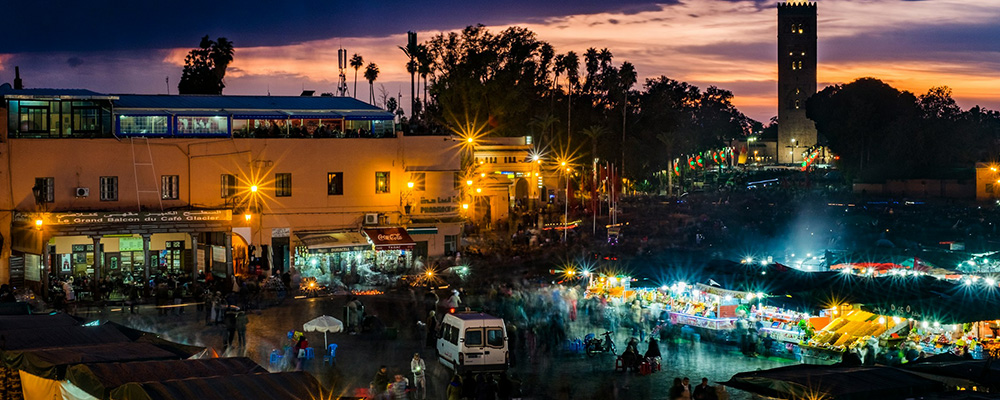
The souks of Marrakech are not just markets; they are living, breathing stories of the city’s history, culture, and craftsmanship. Every alley and stall holds secrets that most tourists never discover, because the real treasures lie beyond the main pathways. Walking through the labyrinth of the Medina, you feel as if you’ve stepped back in time, surrounded by colors, scents, and sounds that create a sensory experience unlike anywhere else in the world.
Visitors often miss the hidden workshops tucked away behind bustling stalls. Here, artisans continue age-old traditions, creating everything from handwoven carpets to intricately tooled leather goods. Observing a master at work, you gain insight into skills passed down through generations. The intensity of their focus, the rhythmic sounds of their tools, and the delicate finishing touches tell a story of dedication few notice.
The best way to uncover these secrets is to slow down and allow yourself to wander off the beaten path. Some alleys appear deserted but lead to enchanting corners where spices are ground, silver is polished, or textiles are dyed with natural pigments. Tourists who rush from one stall to another often miss these quiet moments where the soul of Marrakech truly reveals itself.
Market etiquette is another secret often overlooked. Haggling is not just about price; it is a social interaction. Locals enjoy the dance of negotiation, and understanding when to push and when to smile can transform the shopping experience. Approaching a stall with curiosity and respect rather than just a desire to buy opens doors to conversations and insights that go far beyond commerce.
Food in the souks is a hidden delight. Street vendors sell traditional snacks like msemen, fresh dates, and aromatic teas. These flavors tell the story of Morocco’s rich culinary history. Observing how locals purchase ingredients, or tasting freshly made delicacies, provides a more authentic experience than the typical tourist restaurants outside the Medina.
Some souks specialize in very specific items that are easy to overlook. For instance, the Souk of Babouches is famous for traditional Moroccan slippers, yet many visitors walk past without noticing the variety of colors and materials. Similarly, the spice markets contain ingredients that are rare outside Morocco, such as saffron grown in the Atlas Mountains or hand-crushed Ras el Hanout blends.
Identifying genuine products is another secret. Tourists often mistake machine-made replicas for authentic craftsmanship. Observing the materials, asking subtle questions, and understanding the techniques allow you to differentiate between a true artisan piece and a souvenir produced for tourists. Local guides can reveal these subtleties, pointing out workshops that do not openly advertise themselves to the public, ensuring you get the authentic experience.
Some artisans are incredibly welcoming and will demonstrate their craft if approached politely. Watching a silverworker engrave intricate patterns, or a carpet maker dye wool in the traditional way, is both educational and mesmerizing. These moments are priceless and are a large part of why the Medina’s markets remain so unique and culturally rich.
Timing your visit can also unlock secrets. Early mornings are quieter and allow you to see merchants preparing their stalls and artisans at work. Late afternoons have their own charm, as the sun casts golden light over the colorful fabrics and metals, creating magical photo opportunities. Weekdays versus weekends change the dynamic as locals may dominate the stalls on certain days, giving a different energy compared to the tourist-heavy peak hours.
Exploring the lesser-known corners reveals the hidden stories of Marrakech’s history. Some areas have been trading centers for centuries, and older families still operate shops passed down through generations. Learning the history of these locations, either through observation or a knowledgeable guide, adds layers to the experience that go far beyond shopping.
In addition to tangible goods, the souks are rich in intangible culture. Listening to the chatter in Darija, observing gestures, and witnessing traditional bargaining techniques teaches you about Moroccan social customs. These subtle details are often overlooked by casual tourists but enrich the journey immensely.
Photography is another way to capture the secrets of the souks, but discretion is key. Not all artisans allow photos of their craft, and taking pictures respectfully can sometimes lead to more personal interactions. Being aware of this cultural nuance will make your experience smoother and more meaningful.
Many travelers don’t realize that the souks are organized in specialized sections. There are areas for leather, metalwork, textiles, spices, and pottery. Understanding this layout allows you to navigate more efficiently and ensures you don’t miss hidden workshops that are tucked behind rows of other stalls. Guides can provide insider tips on which alleys contain the most authentic experiences.
The magic of the souks is also in their sensory overload. The combination of aromas, colors, and sounds can be overwhelming at first, but once you adapt, you start noticing the small details — a pattern on a carpet, a unique pottery shape, or the distinct fragrance of a spice blend. These details are what make the experience unforgettable.
Learning a few words of Darija or Arabic can open doors to interactions that most tourists never have. Simple greetings or expressions of appreciation show respect and curiosity, which often leads to artisans sharing stories or inviting you to see their workshop. This cultural exchange is part of the true secret of the souks — connection beyond commerce.
Some areas of the souks are entirely hidden from casual tourists. Narrow alleys, doorways to courtyards, and small staircases often lead to private workshops or small cooperative spaces. These are the real heart of Marrakech craftsmanship, where locals preserve traditions that would otherwise be lost in the rush of tourism.
Exploring these hidden markets without a guide can be challenging, as the Medina is a labyrinth of passages. However, the reward is immense: discovering corners where few tourists venture, hearing stories directly from artisans, and seeing the processes behind the products you buy. These experiences provide memories far richer than typical souvenirs.
Most tourists do not realize that the souks operate on a rhythm. Certain stalls open only on specific days, and some artisans only sell direct from their workshops. Observing the flow of the market and timing your visits strategically gives you access to exclusive items and demonstrations.
Overall, the secret of the Marrakech souks is that they are alive. They are not just places to buy goods but places to experience life, culture, and tradition. By taking time, observing carefully, and interacting respectfully, visitors gain access to a world few ever truly see. The colors, the sounds, the scents, and the human stories make the souks a living museum — and discovering its secrets is what transforms a simple visit into a lifelong memory.
WhatsApp Morocco +212614905398