
Local Shopping Habits
Local Shopping Habits in Marrakech: What Moroccans Actually Do (That Tourists Never Notice)
Locals in Marrakech shop very differently from tourists: they buy fresh produce daily rather than stockpiling, haggle as a social ritual rather than a battle, shop early morning or after sunset to dodge the heat, and stick to trusted vendors they've used for years instead of wandering into whichever stall looks shiniest. If you shop the way locals shop, you'll pay local prices — or something close to it.
A Confession From Someone Who Watches This Daily
I have spent more hours than I'd like to admit standing near a spice stall watching a tourist and a Moroccan grandmother buy the exact same bag of cumin for wildly different prices, both walking away convinced they got a great deal. The tourist thinks he's a bargaining genius because he got the price down from "outrageous" to "still outrageous." The grandmother didn't even break stride. She just said a number, the vendor said a slightly different number, and it was over in four seconds — less time than it takes most tourists to decide whether they even like cumin.
After two decades of guiding people through these souks, I've come to think of Marrakech shopping as a language nobody hands you a phrasebook for. So here it is — the phrasebook.
What Time of Day Do Locals Actually Shop?
Locals build their shopping around the sun, not the tour bus schedule:
Time
What's Happening
7–9 AM
Fresh produce, bread, and fish markets are at their best — locals shop before the heat and before tourists wake up
10 AM–1 PM
Souks fill with tourists; locals mostly avoid this window unless necessary
1–4 PM
Many shops slow down or close for lunch and rest, especially in summer
5–8 PM
Second wave of local shopping — cooler air, fresh evening bread, last-minute dinner ingredients
After sunset
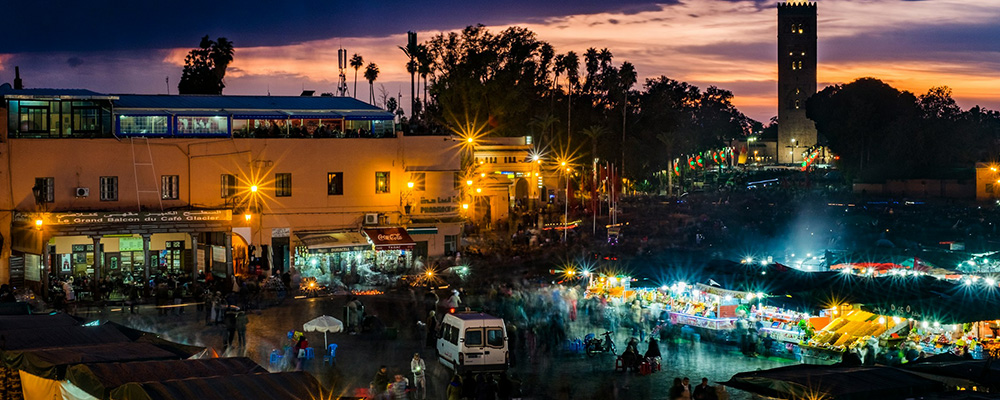
Jemaa el-Fna food stalls open; shopping shifts to eating
If you want a quieter, more "local" souk experience with less elbow-to-elbow tourist traffic, the early morning window is your best bet — and it happens to be when produce and bread are freshest anyway.
How Do Locals Actually Haggle? (It's Not a Fight)
Here's what surprises almost every guest I've ever had: bargaining in Marrakech isn't really about winning. It's a conversation with rhythm, and once you understand the rhythm, it stops feeling like a confrontation.
The local pattern usually looks like this:
Vendor states a price (often already close to fair if you're a regular)
Buyer names a lower number, sometimes with a joke or a complaint about the economy
Vendor sighs theatrically, as though personally wounded
A number lands somewhere in the middle
Both parties act mildly annoyed, then smile and move on
What tourists tend to do instead:
Accept the first price out of politeness or confusion
Or overcorrect and treat it like a courtroom cross-examination
Either way, walk away either overpaying or feeling weirdly guilty about underpaying
The honest tip: match the energy, not the exact tactics. A little humor goes further than a hard face. I've watched a vendor drop a price faster for a tourist who laughed at his opening offer than for one who argued seriously for ten minutes.
Where Do Locals Buy What (That Tourists Usually Skip)?
Category
Where Locals Actually Go
Fresh produce
Neighborhood souks outside the tourist Medina core, or daily local markets
Bread
Neighborhood communal ovens (ferrane) — households bring their own dough to be baked
Meat
Butchers they've used for years, chosen by trust rather than price
Spices
Bulk from a known spice merchant, not pre-packaged tourist tins
Household goods
Souk Haddadine and smaller hardware stalls, not souvenir shops
Clothes & fabric
Souk Semmarine, but at different stalls than the ones pushing tourist-priced kaftans
The pattern here: locals shop by relationship, not by whichever stall is loudest or best-positioned for foot traffic. A vendor who's sold someone's family spices for fifteen years isn't going to overcharge them — reputation in a neighborhood souk travels faster than any online review ever could.
Why Do Locals and Tourists Pay Different Prices for the Same Item?
It's not really about nationality — it's about information and relationship. A local knows the real price range because they've bought that item a hundred times. A tourist is often buying it for the first time in their life, with no reference point, in a foreign currency, under mild sensory overload from the noise and color of the souk. Vendors aren't villains for adjusting to that — it's simply supply and demand meeting information asymmetry. The fix isn't outrage, it's information: know a rough fair-price range before you go in (I built exactly this into my [argan oil shopping guide], and I'd recommend doing the same homework before buying rugs, leather, or spices).
What Should You Copy From Local Shopping Habits?
Buy small, buy often — locals rarely bulk-buy perishables; freshness matters more than convenience
Return to the same vendor — even over a few days, becoming a "regular" changes how you're treated and priced
Ask questions before buying — locals ask about origin, freshness, and use; tourists often just ask "how much"
Don't shop hungry or rushed — decisions made in a hurry are exactly what higher prices depend on
Bring small bills — vendors used to dealing with locals expect exact or close-to-exact change, and it speeds up the whole exchange
Frequently Asked Questions
Do locals really pay less than tourists in Marrakech?
Often yes, but it's less about nationality and more about familiarity — locals know fair price ranges and have ongoing relationships with vendors, which naturally results in fairer pricing.
Is haggling considered rude in Moroccan culture?
No — it's an expected, even enjoyable, part of shopping culture. Not haggling at all can actually confuse a vendor more than a lowball offer would.
What time do souks in Marrakech close?
Most souk shops operate roughly 9 AM to 8 or 9 PM, though many slow down during the early afternoon and some close briefly for prayer times.
Do locals shop in the touristy parts of the Medina?
Rarely for daily needs — locals tend to use neighborhood souks and trusted vendors slightly outside the busiest tourist lanes, saving the central souks mainly for specific specialty items.
Is it true that prices go up during high tourist season?
Yes, to some degree — like most tourist destinations, prices in the busiest souks can flex upward when demand from visitors is higher, particularly around spring and fall peak season.
WhatsApp Morocco +212 614905398