
How Many Days Need in Marrakech
.jpeg)
How Many Days Do You Need in Marrakech?
Marrakech is one of those cities that defies easy description. It is loud, colorful, chaotic, and utterly breathtaking all at once. From the moment you step off the plane and into the warm Moroccan air, you sense that this place operates on its own rhythm, one that is ancient, layered, and deeply alive. But with so much to see and experience, one question comes up again and again among travelers: how many days do you actually need in Marrakech?
The honest answer depends on the kind of traveler you are. But for most visitors, three to four days strikes the perfect balance between seeing the highlights and actually enjoying them without burning out.
One or Two Days: Too Short, Too Rushed
Some travelers try to squeeze Marrakech into a quick stopover or a weekend trip. While you can technically hit the main landmarks in 48 hours, you will likely leave feeling overwhelmed rather than enchanted. Marrakech is not a city you conquer. It is a city you absorb.
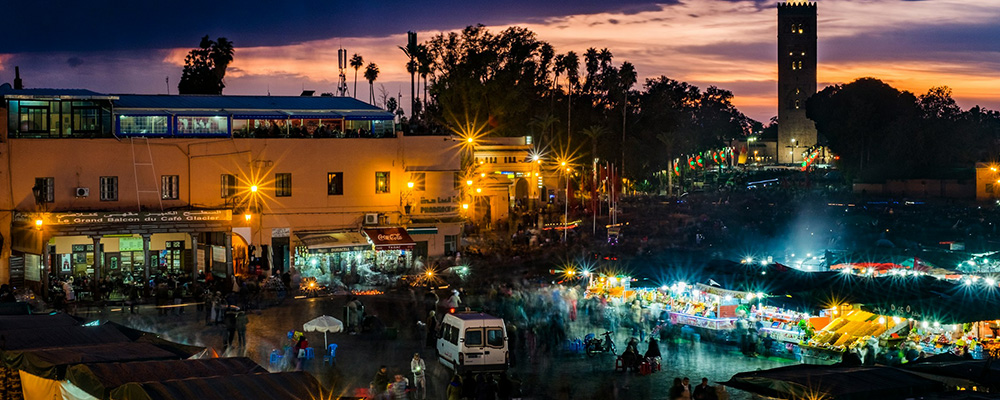
With just one or two days, you might manage to visit Djemaa el-Fna, the famous central square that transforms from a market by day into a carnival of storytellers, musicians, and food stalls by night. You might peek into a riad or two and snap photos of the vibrant souks. But you will spend more time rushing than actually experiencing anything. The medina alone, with its labyrinthine alleyways and hidden courtyards, could occupy you for days. Trying to do it all in 48 hours almost guarantees you will miss the soul of the place.
Three Days: The Minimum Sweet Spot
Three days in Marrakech gives you enough time to breathe and explore at a reasonable pace. Here is how those days might unfold.
On your first day, give yourself time to adjust and simply wander. Head to Djemaa el-Fna in the late afternoon, when the energy starts building. Grab a seat at one of the rooftop cafes overlooking the square, order a mint tea, and watch the city come alive below you. In the evening, eat at one of the open-air food stalls in the square itself. Try the harira soup, the grilled meats, and if you are feeling adventurous, the snail broth that locals swear by.
Your second day can be dedicated to the medina's major historical sites. The Bahia Palace, built in the late 19th century, is a stunning example of Moroccan architecture, with its intricate tilework, carved cedar ceilings, and lush courtyards. Nearby, the Saadian Tombs offer a fascinating and slightly eerie glimpse into the city's royal past. In the afternoon, lose yourself in the souks. Each neighborhood of the market specializes in something different: leather goods in one quarter, spices in another, lamps, textiles, ceramics, and handwoven rugs filling the narrow passages with color and scent. Bargaining is expected and part of the experience, so go in with patience and a sense of humor.
On your third day, visit the Majorelle Garden, a botanical masterpiece originally designed by French painter Jacques Majorelle and later restored by Yves Saint Laurent. The garden's vivid cobalt blue structures set against lush tropical plants make it one of the most photographed spots in Morocco. The adjacent Berber Museum is small but thoughtful, offering context on the indigenous culture that underpins much of Moroccan life.
Four Days: The Ideal Stay
If three days is the minimum, four days is where Marrakech really opens up. That extra day removes the pressure of squeezing everything in and allows for the kind of slow, aimless exploration that produces the best travel memories.
Use the additional day for a half-day hammam experience. Marrakech is full of traditional bathhouses where you can be scrubbed, steamed, and massaged into a state of complete relaxation. It is not just a tourist activity either. The hammam is a genuine part of daily Moroccan life, and participating in the ritual connects you to the city in a way that sightseeing alone cannot.
Alternatively, spend that fourth day on a day trip. The Ourika Valley, located about an hour from the city, offers a dramatic contrast to the urban intensity of Marrakech. Berber villages cling to hillsides above a rushing river, local women sell handmade crafts by the roadside, and the air is clean and cool. It is a reminder that Morocco is far more than its famous city.
Five Days or More: For the Deep Explorers
If you have the luxury of five or more days, consider using Marrakech as a base for exploring the wider region. The Atlas Mountains are accessible for multi-day treks. The coastal city of Essaouira, a laid-back and wind-swept contrast to Marrakech's intensity, is only a few hours away by bus or shared taxi. You could also venture into the Draa Valley or head toward the Sahara, though those destinations really warrant their own dedicated trip.
Practical Tips Before You Go
A few things worth knowing before you plan your stay. The medina is genuinely easy to get lost in, and that is actually part of the joy. Do not stress too much about navigating it perfectly. Some of the best discoveries happen when you take a wrong turn. That said, downloading an offline map is a smart move.
Respect local customs, particularly around dress. Marrakech is a conservative city, and covering your shoulders and knees in public spaces goes a long way. The locals are warm and welcoming, and a little cultural awareness is always appreciated.
Finally, book your riad early. Staying in a traditional riad, a historic townhouse built around a central courtyard, is one of the most memorable parts of a Marrakech trip. The best ones fill up quickly, especially in spring and autumn when the weather is ideal.
Three days will give you a real taste of Marrakech. Four days will let you savor it. And if you somehow end up staying longer, you will understand why so many travelers keep coming back. Marrakech has a way of getting under your skin, and no matter how many days you give it, you will almost certainly leave wishing you had one more.
WhatsApp Morocco +212 614905398