
Hidden Marrakech: A Walking Tour That You Need
.jpeg)
Hidden Marrakech: A Walking Tour Through Secret Streets and Stories
Marrakech is a city of layers, where every alley, every door, and every fountain has a story waiting to be discovered. While millions of tourists flood the main squares and souks, the true essence of the city lies hidden behind walls, around corners, and through quiet streets known only to locals. A walking tour through hidden Marrakech reveals these secrets, offering visitors an authentic experience far beyond the typical sightseeing routes. This journey is not only about seeing but about feeling the pulse of a living, breathing city.
The Medina is the heart of Marrakech, a labyrinth of narrow streets, vibrant marketplaces, and centuries-old architecture. As you step off the beaten path, the clamor of the main squares fades, replaced by the gentle murmur of daily life. Local artisans hammer copper, women bake bread in communal ovens, and children play in shaded alleys. Each step brings you closer to the rhythm of a city that has thrived for centuries, yet has maintained its intimate, human scale.
One of the first discoveries on a hidden walking tour is the secret Riads tucked away behind plain exteriors. From the street, they appear modest, even unremarkable. But upon entering, visitors are greeted by mosaic tiles, carved wooden doors, fountains, and lush gardens. These homes, many of which are still inhabited by local families, reveal the artistry and patience that define Marrakech. They also offer insight into the daily life of the city, connecting travelers to centuries of tradition.
As you venture deeper into the Medina, the sounds of craftwork guide your path. In small workshops, artisans create metal lanterns, leather goods, and intricate wooden carvings. These are not staged demonstrations for tourists; they are living crafts passed down through generations. Engaging with the artisans allows visitors to understand the skill, dedication, and cultural significance behind each creation. Your guide introduces these craftspeople respectfully, highlighting their role in preserving Marrakech’s heritage.
Hidden Marrakech is also a city of stories, legends, and historical layers. The old fondouks—former caravanserais—now serve as workshops or galleries, preserving the architectural layout and communal spirit of their original function. Walking through these spaces, one can imagine the caravans, traders, and travelers who once passed through, exchanging goods, ideas, and stories from across Africa and beyond. The walls themselves seem to echo these centuries of interaction.
Another aspect of a hidden tour is the people. Beyond the artisans, the neighborhoods are populated by individuals whose lives reflect the city’s continuity and resilience. Old herbalists, bakers, storytellers, and scholars embody the living culture of Marrakech. Meeting them, even briefly, connects visitors to the authentic daily life of the Medina. These encounters are often the most memorable, revealing the city’s warmth, hospitality, and complex social fabric.
Gardens hidden within the Medina provide moments of calm and beauty. While the Majorelle Garden attracts crowds, numerous small Riads open their courtyards to visitors, revealing orange trees, jasmine, fountains, and birdsong. These green oases are private spaces, preserved and cherished by their owners, offering travelers a serene glimpse into the inner life of Marrakech. The contrast between the bustling streets and these hidden gardens underscores the city’s layered character.
The Mellah, the historic Jewish quarter, is another highlight. Narrow streets, traditional architecture, and centuries-old synagogues and cemeteries illustrate Marrakech’s diverse cultural heritage. Walking through the Mellah, visitors observe how different communities have coexisted and shaped the city’s identity over generations. These areas are quieter, less visited, and rich with stories that illuminate the city’s multifaceted past.
Exploring rooftops adds another dimension to a hidden walking tour. From above, one sees the red-tiled roofs of the Medina, satellite dishes, narrow alleys, and distant views of the Atlas Mountains. The perspective shifts: the city’s chaos transforms into a tapestry of color, movement, and life. A moment of reflection while sipping mint tea on a rooftop provides a deep connection to the city, allowing visitors to absorb its atmosphere fully.
Spiritual sites, often overlooked by tourists, add further depth. Zawiyas, small mosques, and Quranic schools hide within the Medina’s maze. These sites reflect centuries of religious practice, learning, and devotion. Their quiet presence, intricate design, and ongoing use reveal Marrakech’s spiritual continuity. Visiting these locations fosters respect and appreciation for the city’s cultural richness.
Food is an essential component of a hidden walking tour. Street food stalls, family-run eateries, and small local cafes offer dishes prepared according to age-old traditions. Tanjia, harira, msemen, and fresh mint tea are staples that connect visitors to the city’s culinary heritage. Experiencing these flavors where locals eat ensures an authentic gastronomic journey, far removed from tourist-focused restaurants.
Legends and oral histories permeate the streets. Stories of sultans, merchants, spirits, and historical events are shared by guides or local storytellers, bringing the Medina’s walls to life. Each tale enriches the walking experience, blending fact and folklore in a way that deepens understanding and engagement. These narratives create an immersive environment, making every street and alley feel alive with history.
Neighborhoods such as Sidi Ben Slimane, Bab Doukkala, and Derb Dabachi reveal aspects of daily life unseen by most visitors. From communal bread ovens to small artisan workshops, these areas illustrate the city’s rhythms, social bonds, and the persistence of traditional practices. Walking here allows travelers to witness the real Marrakech, where history and contemporary life coexist seamlessly.
Hidden Marrakech is dynamic; the city continuously changes, yet retains its core character. Even longtime residents discover new corners, demonstrating the Medina’s complexity and vitality. A well-planned walking tour leverages this dynamism, guiding visitors through evolving streets, while ensuring meaningful encounters and cultural insight.
The tour’s pace is slow and deliberate. Visitors are encouraged to absorb their surroundings, engage with locals, ask questions, and take time to reflect. This approach contrasts sharply with standard sightseeing itineraries and allows for a deeper appreciation of the city’s layers. Every alley, every doorway, every fountain has significance, and time spent in these moments fosters connection and memory.
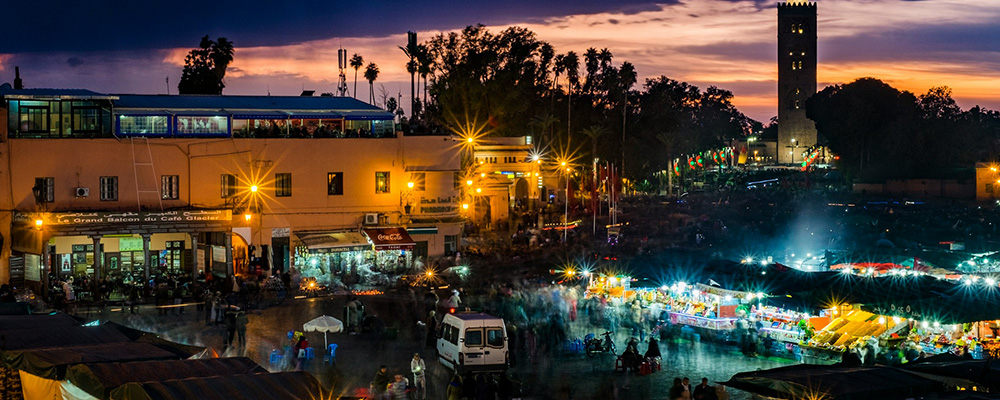
By the end of the walk, returning near Jemaa el-Fna, visitors perceive the square differently. The sounds, colors, and movement are now contextualized by what has been learned and experienced. The city is no longer just a tourist destination but a living, breathing entity that has shared its secrets. The Medina’s hidden streets, stories, gardens, workshops, and people remain vivid in memory, offering a lasting impression of Marrakech’s soul.
To fully experience Marrakech is to let the city reveal itself gradually, guided by knowledge, respect, and curiosity. Hidden walking tours provide the framework to achieve this, combining history, craft, cuisine, spirituality, and daily life into an immersive journey. Visitors leave not just with photographs but with a sense of connection and understanding.
Book this tour today and uncover the secret heart of the Red City with Rachid Boussalem, your trusted local guide with over 20 years of experience. Discover the stories, meet the artisans, and walk through the living history of the Medina. Book This Tour