
Hidden Gems of Marrakech: Discovering the Medina Beyond the Tourist Trail
.jpeg)
Hidden Gems of Marrakech: Discovering the Medina Beyond the Tourist Trail
Introduction
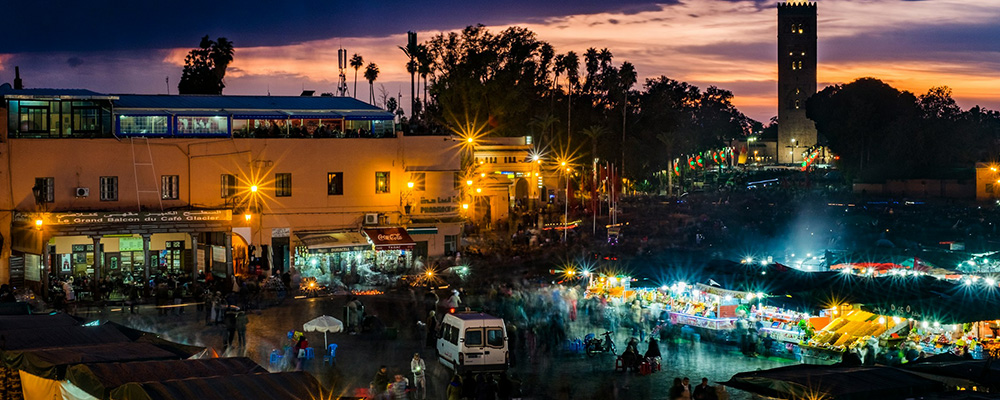
The vibrant city of Marrakech, known as the “Red City” for the hue of its ancient walls, is a destination that awakens every sense. Travelers come from all over the world to experience the hum of Jemaa el-Fna, the scents of saffron and cumin drifting through the souks, the stunning architecture of the Koutoubia Mosque, and the indulgent charm of its riads. Yet, while the famous highlights of Marrakech are indeed magical, there is another side to the city that many visitors miss entirely.
To truly discover the essence of Marrakech, you must go beyond the well-trodden tourist trail of the Medina and venture into the hidden gems: the tucked-away artisan workshops, the quiet neighborhood streets where daily life unfolds, and the secret courtyards that tell stories of centuries past. This guide is an invitation to immerse yourself in Marrakech’s Medina with the eyes of a local, peeling back the layers of history, culture, and craftsmanship that are often overshadowed by the city’s most popular attractions.
In this article, we’ll take you through the lesser-known treasures of Marrakech’s Medina. Whether you are a first-time visitor seeking authentic experiences or a seasoned traveler longing for deeper cultural immersion, this guide will reveal what makes the Medina not just a tourist stop, but a living, breathing world of heritage.
The Medina: A Living Labyrinth
Marrakech’s Medina is a UNESCO World Heritage Site, a sprawling maze of narrow alleys, souks, mosques, palaces, and hidden gardens. At first glance, it may feel chaotic: donkeys pulling carts through tight passages, motorbikes zipping by, vendors calling out their wares, and visitors trying to find their bearings. But beneath the surface chaos lies a delicate system, one that has evolved over centuries to accommodate life in the heart of Morocco’s most vibrant city.
Most tourists spend their time in the bustling core—the souks near Jemaa el-Fna or the well-known landmarks like Bahia Palace. Yet, the Medina stretches far beyond those areas. Wandering just a few streets off the main paths can lead you to quieter quarters where children play football in the alleys, women shop for fresh bread at local bakeries, and artisans work in small workshops that have been passed down through generations.
The Medina is not a museum but a living neighborhood. To appreciate it fully, you must see it as locals do: a space where history, commerce, and daily life all intertwine.
Souks Beyond the Souvenirs
The souks of Marrakech are legendary, but many visitors experience only a polished, touristic version. Hidden within the Medina are specialized markets and workshops that few tourists ever reach. These are the places where authentic craftsmanship thrives, and where your purchases directly support local families rather than tourist-oriented middlemen.
The Blacksmiths’ Souk (Souk Haddadine)
Located in the northern part of the Medina, Souk Haddadine is dedicated to blacksmithing. Here, sparks fly as artisans hammer metal into intricate designs for lanterns, locks, and decorative gates. The rhythm of hammer on anvil creates a unique soundtrack, one that has echoed for centuries. Unlike the souvenir-heavy stalls closer to Jemaa el-Fna, this is where Marrakchi families come for practical tools, and where you can still witness the raw craft in action.
The Slippers Souk (Souk Smata)
Morocco’s iconic babouches (leather slippers) are found everywhere in Marrakech, but Souk Smata is the real heart of this trade. Here, shoemakers dye leather in vibrant colors and stitch slippers by hand. Watching the artisans at work gives you a greater appreciation of these traditional shoes, which are more than just souvenirs—they’re part of Moroccan cultural identity.
The Spice Markets Outside the Center
While many tourists crowd into the central spice souks, locals often shop in quieter corners of the Medina. Here, you’ll find vendors selling not only exotic blends but also everyday staples like cumin, turmeric, and preserved lemons. Ask about traditional remedies: dried roses for tea, nigella seeds for digestion, or amber resin used as natural incense.
Artisan Workshops: Preserving Traditions
One of the greatest hidden gems of Marrakech lies in its artisan workshops. For centuries, Marrakech has been a hub of craftsmanship, from wood carving to zellige tilework. Sadly, globalization and mass-produced goods threaten many of these traditions. Yet, within the Medina, artisans continue to uphold these crafts with pride.
Wood Carving and Cedar Workshops
In small, dimly lit studios, master carvers transform blocks of cedar into elaborate doors, screens, and furniture. The designs often reflect centuries-old Andalusian and Berber motifs, blending geometry with floral patterns. Visiting these workshops gives you an intimate glimpse of Moroccan artistry that’s rarely showcased in tourist shops.
Zellige and Plaster Work
The stunning mosaics you see in palaces and riads are born from painstakingly detailed work. Zellige artisans hand-cut colored tiles into geometric shapes and assemble them like puzzles to form mesmerizing designs. Similarly, plaster masters carve intricate arabesques into walls and ceilings, a tradition that has adorned Moroccan architecture for centuries.
Cooperative Workshops for Women
In the Medina, you may also encounter women’s cooperatives that specialize in textiles, embroidery, or argan-based products. These cooperatives not only preserve cultural skills but also empower women economically. Supporting them means contributing directly to community sustainability.
Daily Life in the Medina
To uncover the true gems of Marrakech, you must also observe its everyday rhythm. Far from the tourist-heavy areas, the Medina is filled with micro-worlds of local life.
Bakeries: Every neighborhood has a communal oven where families bring their dough to be baked into fresh bread. Watching locals carry trays of dough wrapped in cloth is a timeless sight.
Hammams: Traditional bathhouses are still central to Medina life. Unlike spa-like hammams for tourists, local hammams are social hubs where neighbors meet, gossip, and cleanse.
Funduqs: These historic caravanserais once hosted traders and their animals. Many remain hidden in quiet alleys, some still functioning as workshops or storage spaces.
Spiritual and Architectural Secrets
While landmarks like the Koutoubia Mosque or Bahia Palace are famous, the Medina holds countless spiritual and architectural treasures that few visitors discover.
Zaouias (Religious Shrines)
Throughout the Medina, you’ll find zaouias, shrines dedicated to revered saints. These sacred spaces are often overlooked by tourists but hold deep cultural and spiritual significance for locals.
Hidden Gardens and Riads
Behind unassuming doors lie riads—traditional courtyard homes—that open into lush gardens with fountains and citrus trees. Some remain private family homes, while others welcome visitors as guesthouses. Exploring these riads reveals the genius of Moroccan design, where tranquility exists just steps away from the bustling streets.
The Jewish Quarter (Mellah)
Once home to Marrakech’s Jewish community, the Mellah is an area rich with history. Its narrow alleys lead to synagogues, spice markets, and jewelry shops, offering a glimpse into the city’s diverse past.
Practical Tips for Exploring Hidden Gems
Discovering the hidden side of the Medina requires curiosity and respect. Here are practical tips:
1. Hire a Local Guide: Navigating the Medina alone can be overwhelming. A knowledgeable local guide can show you authentic areas while ensuring you don’t get lost in the labyrinth.
2. Visit Early or Late: To avoid crowds, explore in the early morning when artisans begin work, or late afternoon when locals return from daily errands.
3. Engage Respectfully: Ask before taking photos, greet shopkeepers, and learn a few words of Arabic—it opens doors to genuine interactions.
4. Support Artisans: Buying directly from workshops ensures your money supports the people who keep traditions alive.
5. Take Your Time: The Medina is not to be rushed. Wander slowly, follow your senses, and allow space for unexpected discoveries.
Why Hidden Gems Matter
Exploring beyond the tourist trail isn’t just about avoiding crowds—it’s about connecting with the authentic spirit of Marrakech. By discovering hidden gems, you contribute to preserving traditions, supporting local communities, and experiencing the city in a way that’s deeper and more rewarding.
The Medina is often described as overwhelming, but in truth, it is a tapestry of life where each alley, workshop, and courtyard tells a story. Those stories don’t live in glossy brochures or tourist maps—they live in the daily rhythm of its people
Conclusion: Connect, Preserve, Return
Connect: Engage with Marrakech not as a tourist but as a participant. Connect with artisans, locals, and the traditions that make the Medina unique.
Preserve: Support the cultural heritage that globalization threatens. Every purchase from a workshop, every respectful interaction, helps preserve centuries of knowledge.
Return: The Medina is not just a place you visit—it’s a place that calls you back. Each time you return, you uncover new layers of its magic.
So, the next time you step into Marrakech’s Medina, don’t stop at the postcard views. Wander deeper, look closer, and discover the hidden gems that reveal the soul of the Red City.
Ready to explore Marrakech beyond the tourist trail? Book your authentic Medina walking tour today and discover the city’s hidden gems with a trusted local guide.
WhatsApp Morocco +212614905398