
Excellent Walking Tour in Marrakesh: A Complete Review
.jpeg)
Excellent Walking Tour in Marrakesh: A Complete Review
Introduction
Marrakesh is one of the most enchanting cities in the world, often called the “Red City” for the color of its ancient ramparts and walls. It is a destination where history, culture, and everyday life collide in ways that dazzle and overwhelm. Travelers come to Marrakesh for many reasons: to see its magnificent palaces, to shop in its labyrinthine souks, to hear the call to prayer echo through the Medina, and to taste the unforgettable flavors of Moroccan cuisine. Yet, there is one experience that consistently stands above the rest—the walking tour.
An excellent walking tour in Marrakesh is more than sightseeing. It is a journey through centuries of history, a chance to connect with locals, an introduction to artisan traditions, and an opportunity to immerse yourself in a world of colors, scents, and stories. In this complete review, we will explore in detail what makes a walking tour of Marrakesh so memorable, from the must-see highlights to the hidden corners that only expert guides know.
The Unique Charm of Walking Marrakesh
Unlike many cities where buses or taxis can quickly cover the main attractions, Marrakesh rewards those who explore on foot. Its Medina—recognized as a UNESCO World Heritage site—is a living, breathing maze of alleys that vehicles cannot enter. Here, donkeys carry goods, artisans work in tiny shops, and neighbors greet each other with smiles and conversations. To walk in Marrakesh is to be fully present in the heartbeat of the city.
A walking tour slows the pace and invites you to engage your senses. The smell of spices in the air, the intricate mosaics decorating the doorways, the sound of blacksmiths at work, and the feel of handcrafted leather under your fingers—all of these details are lost if you rush past them. Walking allows you to experience Marrakesh the way locals do: step by step, moment by moment.
Starting Point: Jemaa el-Fna
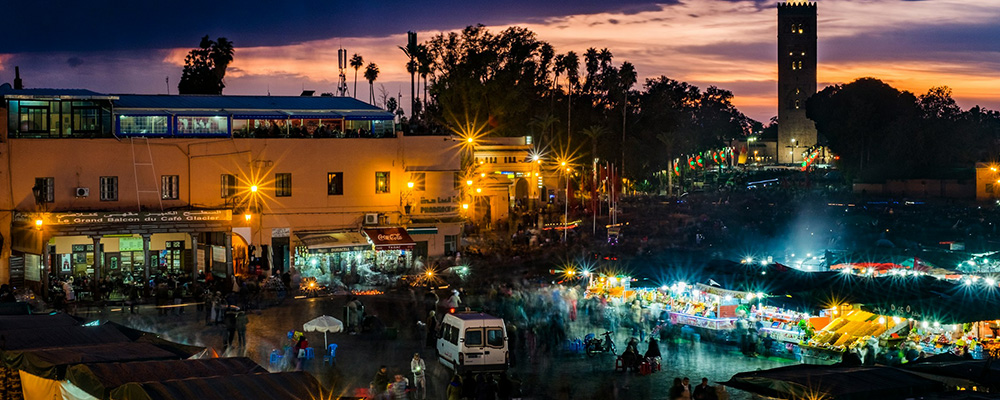
Most walking tours begin at Jemaa el-Fna, the central square and the city’s most iconic gathering place. In the daytime, it is lively but manageable, filled with orange juice vendors, henna artists, and snake charmers. At night, however, the square transforms into a chaotic theater of food stalls, storytellers, musicians, and acrobats. It is here that Marrakesh reveals its soul—a mix of tradition, entertainment, and community.
A guide helps you navigate this overwhelming spectacle, explaining the cultural importance of Jemaa el-Fna and how it has been a gathering place for centuries. You may learn how storytellers, once central to Moroccan oral tradition, still preserve their craft, or how herbalists and traditional healers offer remedies passed down through generations.
Diving Into the Medina
Leaving Jemaa el-Fna, the tour typically enters the Medina, a dense network of alleys that confuses even experienced travelers. This is where having a knowledgeable guide makes all the difference. Instead of feeling lost, you begin to understand the layout, the trades, and the traditions that give each quarter its identity.
The Medina is divided into specialized souks—areas dedicated to particular crafts. There are souks for leather, spices, carpets, woodwork, jewelry, and more. Walking through these areas with a guide transforms them from simple shopping zones into cultural classrooms. You learn not only what is being sold but how it is made, what symbols mean in Moroccan design, and how families have preserved these crafts for centuries.
Souks: A Living Marketplace
The souks are often the highlight of a Marrakesh walking tour. They are not tourist attractions created for visitors—they are living marketplaces where locals and artisans conduct real business every day.
The souk of the dyers is particularly striking. Bundles of brightly colored wool hang from beams, creating a rainbow canopy above the alley. Watching artisans dye wool with natural pigments—indigo for blue, henna for red, saffron for yellow—gives you insight into ancient practices that still survive today.
The leather souk is another unforgettable stop. Marrakesh has been famous for leather for centuries, and here you see the process up close. While the smell of tanning is strong, the sight of artisans crafting bags, slippers, and belts by hand is fascinating.
The carpet souk is equally mesmerizing. Guides explain the difference between rural Berber rugs and urban designs, showing how patterns carry meaning—representing fertility, protection, or family history. Instead of feeling pressured to buy, you gain appreciation for the artistry and time that goes into each piece.
Architectural Landmarks
An excellent walking tour also includes Marrakesh’s architectural wonders. The Koutoubia Mosque, with its 77-meter minaret, dominates the skyline and sets the tone for Islamic architecture across Morocco and Spain. Though non-Muslims cannot enter, guides explain its history and influence, making it more than just a photo stop.
The Bahia Palace is another must-see. Built in the late 19th century, it was designed to be the greatest palace of its time. Walking through its courtyards filled with fountains, gardens, and mosaics feels like entering a different world. Every room reveals craftsmanship in wood, tile, and stucco.
The Saadian Tombs, rediscovered in 1917 after centuries of being hidden, showcase the opulence of the Saadian dynasty. Their intricate marble work and stucco decorations are among the finest in Morocco.
Finally, Medersa Ben Youssef, an Islamic college dating back to the 14th century, offers one of the most serene and impressive courtyards in the Medina. Its carved cedar, colorful zellij tiles, and symmetrical design make it a masterpiece of Moroccan architecture.
Hidden Gems Beyond the Tourist Path
What sets an excellent walking tour apart from a basic one is the inclusion of hidden gems. Beyond the famous monuments and souks, Marrakesh is full of surprises. Skilled guides know where to find quiet zaouias (religious schools), traditional hammams, rooftop terraces with sweeping views, and neighborhood bakeries where locals bake their bread in communal ovens.
These hidden corners give you a sense of the everyday life of Marrakesh, far from the tourist crowds. They are the moments that often stay with travelers the longest—the warm smile of a baker offering fresh bread, the silence of a courtyard away from the chaos, or the sight of children playing football in an alley.
Food Experiences Along the Tour
No walking tour of Marrakesh is complete without tasting its flavors. Guides often incorporate food stops into the experience, whether it’s sipping mint tea in a hidden café, sampling olives from a market stall, or trying pastries such as chebakia or msemen.
Some tours go even further, combining the walk with a food tour. In this case, you may sit down for a tajine cooked in clay pots, enjoy couscous traditionally served on Fridays, or taste harira soup with dates. These experiences are not just about eating—they are about understanding the role of food in Moroccan hospitality and daily life.
Meeting the Artisans
The human connections are what make a walking tour excellent. Guides often introduce travelers to artisans who are masters of their craft. You might watch a blacksmith hammering copper into a lamp, a woodcarver shaping intricate designs, or a spice merchant preparing remedies.
These encounters go beyond shopping. They allow you to ask questions, to see the skill in action, and to appreciate the cultural heritage that artisans keep alive. For many travelers, these interactions are the highlight of their visit.
Private vs Group Walking Tours
Travelers often wonder whether to book a private walking tour or join a group. Both options have advantages, but the choice depends on your style and budget.
Group tours are generally more affordable, costing between 150–200 MAD per person. They are great for solo travelers looking to meet others. However, they may feel less personalized and move at a faster pace.
Private tours, which usually cost 250–400 MAD per person, offer flexibility. The guide adapts the itinerary to your interests, whether you want more time shopping, deeper historical explanations, or a slower pace. Families, couples, and those who want a more intimate experience often prefer this option.
Sample Walking Tour Itinerary
A half-day walking tour often includes Jemaa el-Fna, the souks, the Bahia Palace, and a hidden gem such as a bakery or artisan workshop.
A full-day walking tour expands to include the Saadian Tombs, Medersa Ben Youssef, more souks, and perhaps a food experience or rooftop sunset. This option gives travelers a comprehensive view of Marrakesh in just one day.
Practical Tips
To enjoy a walking tour in Marrakesh, wear comfortable shoes—cobblestones and uneven alleys are common. Dress modestly, with shoulders and knees covered, to respect local culture. Carry water and sunscreen, especially in summer. Bring small change for purchases, and keep valuables secure. Most importantly, stay open to the unexpected—the unplanned moments often become the best memories.
Reviews and Impressions
Travelers consistently describe Marrakesh walking tours as transformative. They speak of guides who not only explained history but also cared for their comfort, offered refreshments, and even helped with bargaining in the souks. Many reviews highlight how the tour gave them confidence to explore the Medina independently afterward.
These positive impressions confirm that a walking tour is not just a way to see Marrakesh—it is the key to understanding it.
Conclusion
An excellent walking tour in Marrakesh is the doorway to the city’s soul. It blends history, culture, architecture, food, and human connection into a single unforgettable experience. With the guidance of a knowledgeable local, you discover not just monuments and markets but also the hidden stories and personal encounters that make the Red City magical.
Whether you choose a private or group tour, whether you stay for half a day or a full day, the walking tour remains the essential way to experience Marrakesh. It transforms confusion into clarity, chaos into beauty, and strangers into friends. For any traveler, it is not just recommended—it is essential.
Book This Tour Today and Step Into the Real Marrakesh.