
Buying Moroccan Lanterns in Marrakech | A Local’s Complete Guide
Buying Moroccan Lanterns: A Local’s Advice
In Marrakech, there are few things more enchanting than the warm, golden light that spills from a Moroccan lantern at dusk. For centuries, these lamps have illuminated riads, courtyards, and narrow alleys of the Medina, creating a dance of shadow and color that feels almost alive. For visitors, buying a Moroccan lantern isn’t just shopping—it’s taking home a small piece of Marrakech’s soul. But how do you choose the right one? Where should you buy it, how do you know it’s authentic, and how can you make sure you get a fair price? As a Marrakech local who has spent years guiding travelers through the Medina, I’m here to give you the complete advice you need.
The Story Behind Moroccan Lanterns
Moroccan lanterns are not a modern invention—they’re an art form rooted in centuries of craftsmanship. Their origins trace back to Andalusian and Arab influences that blended geometric precision with North African creativity. Artisans in Marrakech’s metalworking quarter, known as Souk Haddadine, still use ancient techniques: hand-cutting brass, piercing intricate designs, and fitting glass panels one by one. Each lantern takes patience and skill, often requiring days to complete. The patterns you see—stars, flowers, and arabesques—are inspired by Islamic geometry and represent unity, infinity, and divine light. This is why Moroccan lanterns are not just decorations; they are symbols of harmony and reflection.
Why Lanterns Are an Essential Marrakech Souvenir
Many travelers ask, “What’s the one thing I should buy in Marrakech?” Without hesitation, locals often answer, “A lantern.” The reason is simple: it represents the spirit of the city. The moment you light one in your home, you’re reminded of the Medina’s mysterious alleys, the smell of spices, and the echo of the call to prayer. Beyond beauty, a lantern carries craftsmanship, history, and emotion. It’s something handmade by real people, not factory machines. Supporting these artisans means helping preserve a living heritage that has survived for centuries despite mass production pressures.
Where to Buy Moroccan Lanterns in Marrakech
The best place to start your search is in the heart of the Medina. Souk Haddadine, also known as the blacksmiths’ souk, is where the majority of metalworkers craft their lanterns. As you walk through, you’ll hear the rhythm of hammers tapping against metal and see sparks flying as artisans shape brass and copper into works of art. Each shop feels like a tiny workshop and gallery combined. You can also explore Souk Semmarine and Souk El Kebir, where many stalls sell finished lanterns in a variety of styles and sizes. If you want something a bit calmer and more curated, visit artisan cooperatives like Ensemble Artisanal near the Koutoubia Mosque. There, prices are usually fixed, but the quality is guaranteed.
Understanding the Different Types of Moroccan Lanterns
When you begin shopping, you’ll quickly notice the variety. Some lanterns are small enough to hold a candle; others are large hanging pieces meant for courtyards or patios. The most common materials are brass, copper, tin, and sometimes iron.
Brass Lanterns: Elegant, durable, and traditional. They age beautifully, developing a warm patina over time.
Copper Lanterns: Slightly reddish in tone, often heavier and more expensive, but prized for deep color and durability.
Tin Lanterns: More affordable, lightweight, and available in endless patterns—ideal for indoor decorative use.
Glass Lanterns: These feature colorful glass panes—blue, green, amber, or red—that create magical light when illuminated.
Each has its personality, and your choice depends on where you plan to place it at home. If you want subtle elegance, go for brass or copper. For a vibrant, cozy feel, colored glass lanterns are perfect.
How to Recognize Authentic Handcrafted Lanterns
One of the biggest challenges in the souks is distinguishing real handcrafted pieces from machine-made imitations. Here’s what to look for:
1. Imperfections are a good sign. Handmade lanterns have tiny irregularities—slightly uneven cuts or solder lines—that prove they weren’t made by machine.
2. Heft and material. Authentic brass or copper lanterns feel heavy and solid. Fake ones made of thin tin or aluminum are very light.
3. Detailed cutwork. The more intricate the pattern, the more time and skill went into making it. Genuine artisans often have small design variations in each piece.
4. Ask questions. Don’t hesitate to ask where the lantern was made, how long it took, or whether it’s handmade. Real artisans are proud of their work and will explain everything.
The Experience of Buying in the Souk
Shopping for a lantern is not a quick transaction—it’s an experience. When you step into a stall, take a moment to greet the shopkeeper. A friendly “Salam alaikum” goes a long way. Look around slowly, ask questions, and show genuine interest. You’ll likely be offered mint tea, and that’s part of the ritual. Don’t rush. Buying something in Marrakech is as much about the human connection as it is about the object itself. When you take your time, you’ll often be rewarded with better prices and better stories.
How to Bargain Like a Local
Bargaining is expected, so don’t feel uncomfortable doing it. It’s part of Moroccan culture and done with humor and respect. The first price you hear is rarely the final one. Here’s how to approach it:
Step 1: Ask for the price with a smile.
Step 2: Offer about 40% of that number. The vendor will laugh and counter.
Step 3: Gradually meet in the middle, around 60–70% of the original price.
Remember, the goal isn’t to “win”—it’s to find a fair deal that respects both sides. Keep it friendly, make jokes, and enjoy the back-and-forth. If you feel uncomfortable or pressured, simply say thank you and walk away; often, the vendor will call you back with a better offer.
Average Prices for Moroccan Lanterns
Prices vary depending on size, material, and craftsmanship.
Small tin lanterns can range from 100 to 300 MAD.
Medium brass or glass lanterns often cost 400 to 800 MAD.
Large or custom pieces can go from 1,000 to 2,500 MAD or more.
Keep in mind that in tourist-heavy areas, prices are inflated, but with polite bargaining, you can reach a fair deal. Always pay in cash if possible—it usually gets you a small discount.
How to Choose the Right Lantern for Your Home
Think about where you plan to place it. If it’s for a living room, choose a design that complements your interior—something warm and detailed. For outdoor patios, go for sturdier metals that resist weather. For indoor corners, colored glass lanterns add cozy light. If your home is minimalist, a single large brass pendant with geometric perforations makes a perfect statement piece.
The Light Within: Why Moroccan Lanterns Feel Magical
Part of what makes Moroccan lanterns so captivating is how they play with light. The small cutouts project patterns onto walls, ceilings, and floors, turning any space into a kaleidoscope of shadow and color. In Morocco, light has deep cultural meaning—it represents divine presence and wisdom. Lighting a lantern at night in Marrakech feels like connecting to something ancient and spiritual. When you bring one home, you’re not just lighting a room; you’re inviting that same atmosphere of calm and wonder into your daily life.
Avoiding Common Mistakes
Many travelers make the mistake of buying too quickly. Take your time to explore different stalls and compare styles. Be cautious of shops that claim everything is “antique” or “handmade” when it’s clearly mass-produced. If the price is unbelievably low, the quality likely is too. Also, inspect glass panes for cracks and make sure the door or latch opens smoothly. Avoid pieces that feel flimsy or uneven.
Packing and Shipping Your Lantern
If you’re buying a large lantern, ask the seller to pack it properly. Most artisans have experience wrapping items for travel and will use cardboard, newspaper, or foam. For delicate glass, request extra padding. If you’re purchasing several lanterns, consider shipping them directly from Marrakech. Many shops collaborate with shipping companies that can deliver to Europe, North America, or Asia for a reasonable fee. Always take photos of your lantern before shipping, and keep the seller’s contact information until it arrives safely.
Supporting Local Artisans
When you buy directly from a craftsman rather than a souvenir reseller, your money supports families who rely on traditional skills passed down through generations. Many young artisans learn from their fathers or uncles in small workshops hidden behind the souk stalls. Every purchase helps keep this heritage alive. Ask your guide to introduce you to a real artisan workshop instead of tourist-only shops—it’s a completely different experience. You’ll see how the lanterns are made, meet the people behind them, and often pay less for higher quality.
How Lanterns Are Made: Step by Step
Crafting a Moroccan lantern is a slow, patient process. First, the artisan selects a sheet of brass or tin and sketches the design by hand. Then, using small chisels and hammers, he cuts tiny holes to form patterns. Once the shape is ready, the pieces are soldered together with precision. Colored glass panels are cut and fitted from behind, then polished. The final step is cleaning and finishing, sometimes adding a protective coat or patina. What looks effortless in the souk actually takes years of experience to perfect. Watching an artisan at work is like seeing poetry in motion—each tap of the hammer has rhythm and purpose.
Modern Adaptations of Traditional Lanterns
Today, Moroccan lanterns have evolved to suit modern homes. Designers combine traditional patterns with minimalist shapes or use LED bulbs instead of candles. Some lanterns even incorporate electric wiring so you can hang them like chandeliers. Yet the heart of the craft remains unchanged: it’s still about light, geometry, and handmade beauty. Many visitors now commission custom designs—choosing metal color, size, and glass tone—to match their homes. This blend of old and new keeps the tradition relevant and alive.
How to Care for Your Lantern at Home
Caring for your lantern is simple but important.
Cleaning: Use a soft cloth to remove dust. Avoid harsh chemicals; warm water and mild soap are enough.
Polishing: Brass lanterns can be gently polished with lemon juice and baking soda or a soft brass cleaner.
Storage: If you live in a humid climate, keep the lantern dry to prevent rust.
Lighting: If you use candles, never leave them unattended. If electric, ensure safe wiring.
Bringing a Piece of Marrakech Home
Every lantern tells a story. Maybe it’s the one you found after wandering through ten different stalls, or the one a smiling craftsman personalized with your initials. Maybe it’s the lantern that caught your eye because of the way its light shimmered in the corner of a dark souk. Whatever your story, that lantern becomes a bridge between your home and Morocco. When you light it, even thousands of kilometers away, it brings back the colors, sounds, and warmth of Marrakech.
Why Buying Locally Matters
In an age of online shopping and mass production, buying directly from Moroccan artisans is an act of preservation. Every dirham you spend supports a traditional craft that faces extinction in some areas. When you choose handmade over machine-made, you become part of the lantern’s story—part of a centuries-old chain of creation and appreciation. And that’s something far more meaningful than any factory souvenir could ever be.
Tips for the Best Souk Experience
Go early in the morning or later in the evening when the souk is less crowded.
Dress modestly and comfortably.
Always ask before taking photos of artisans.
Bring small bills for easier negotiation.
Smile—it makes everything smoother.
The Glow That Lasts a Lifetime
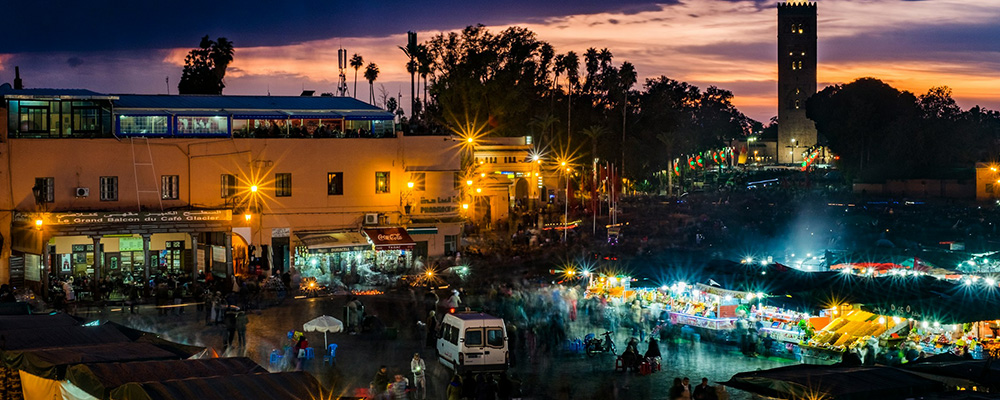
When the day ends in Marrakech and the sun disappears behind the ochre walls, lanterns begin to light up one by one. Their gentle glow transforms the Medina into something almost sacred. Buying a Moroccan lantern is not just a transaction; it’s participating in that ancient rhythm of light and darkness, craft and culture. It’s a memory that continues to shine long after you’ve left the Red City behind.
Book a Guided Shopping Tour
If you want a stress-free way to discover authentic lanterns, join a Marrakech Shopping Tour with a local expert who knows the best workshops and artisans. You’ll learn how each lantern is made, meet real craftsmen, and get fair prices without the tourist traps. It’s the perfect way to combine culture, craftsmanship, and discovery—all in one unforgettable experience.
Book This Tour today and bring home not just a lantern, but a story.