
Budget Shopping Route
.jpeg)
Budget Shopping Route: How to Shop Marrakech's Souks Without Overpaying
The first time a visitor asked me to help her find "the real prices" in the medina, we spent an entire afternoon zigzagging through alleys before I realized the problem wasn't finding good products — it was finding them in the right order, in the right souks, before the tourist markup kicked in. After years of guiding travelers through Marrakech on foot, I've built a route that does exactly that: hits the souks where locals actually shop, in an order that keeps prices honest and energy high. Here's the route, stop by stop.
What is the best budget shopping route in Marrakech?
The most budget-friendly route starts at Souk Cherratine (leather goods), moves through Souk Chouari (woodwork and baskets), continues into Souk Haddadine (metalwork), and ends at Rahba Kedima (spices and small souvenirs) — in that order, ideally before 11am when prices haven't adjusted upward for the midday tourist wave. Walking this loop takes about three hours at a relaxed pace, including tea breaks.
Why does the order matter?
Prices in the medina aren't fixed — they shift based on how many tourists a shopkeeper has already seen that day. Starting deep in the craft souks (away from Jemaa el-Fnaa) means you're negotiating with vendors who haven't yet adjusted their opening price for the day's foreign visitors. By the time you loop back toward the main square, you already know what things should cost.
The Route, Stop by Stop
Stop
What to buy
Why it's cheaper here
Souk Cherratine
Leather bags, belts, poufs
Direct from workshop, no middleman markup
Souk Chouari
Wooden boxes, baskets, small furniture
Craftsmen sell what they make on-site
Souk Haddadine
Lanterns, metal trinkets, keys
Wholesale-style pricing, less tourist traffic
Rahba Kedima
Spices, argan oil, small souvenirs
Locals shop here too, so prices stay grounded
How do you negotiate prices without offending anyone?
Start at roughly a third to half of the asking price and move up slowly and cheerfully — haggling is a social exchange here, not a confrontation. A smile and a bit of patience go further than a hard bargain. If a price genuinely feels fair to you, it's fine to agree quickly; not every negotiation needs to be a battle.
What should you avoid buying near Jemaa el-Fnaa?
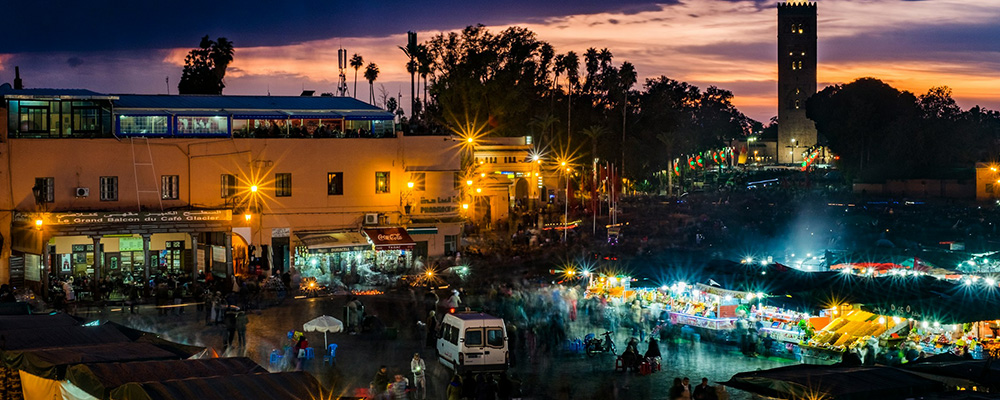
Skip anything sold directly around the main square — rugs, lanterns, and leather goods here are priced for tourists who won't venture further into the medina. The same items, often better quality, cost noticeably less two or three streets deeper in.
Tips From Guiding This Route for Years
Go early. Shops open around 9am, and the first hour is when prices are most flexible.
Bring cash in small bills. Vendors rarely have change for large notes, which weakens your negotiating position.
Ask "combien" before touching anything you're not ready to buy. Prices can shift once a vendor senses genuine interest.
Don't shop hungry or rushed. The best deals go to visitors who have time to chat, sip tea, and let the negotiation breathe.
Frequently Asked Questions
How much time should I budget for this route?
About three hours, including a tea stop — longer if you enjoy lingering with vendors.
Is it safe to shop alone as a tourist?
Yes, the medina's souks are generally safe during the day. Basic street awareness (bag close to your body, agree on prices before items change hands) is all you typically need.
Do I need a guide for this route?
Not strictly — the route above is written so you can follow it independently. That said, a local guide can help you find workshops one street back from the main paths, where prices are lowest.
What's the biggest mistake budget shoppers make?
Buying the first thing they like near Jemaa el-Fnaa instead of comparing prices a few streets deeper into the medina first.
WhatsApp Morocco +212 614905398