
Best Historical Tours in Marrakech for Culture Lovers
Best Historical Tours in Marrakech for Culture Lovers
Marrakech, the Red City of Morocco, is a treasure trove of history, culture, and architecture. For travelers who are passionate about exploring the past and immersing themselves in local traditions, historical tours in Marrakech offer a unique way to understand the city beyond its bustling markets and modern attractions. From centuries-old palaces and mosques to hidden riads and artisan workshops, Marrakech provides a rich tapestry of experiences for culture lovers. These tours are designed to transport visitors back in time, showcasing the city’s evolution from a medieval trade hub to a modern cultural capital.
The Medina: A Living Historical Labyrinth
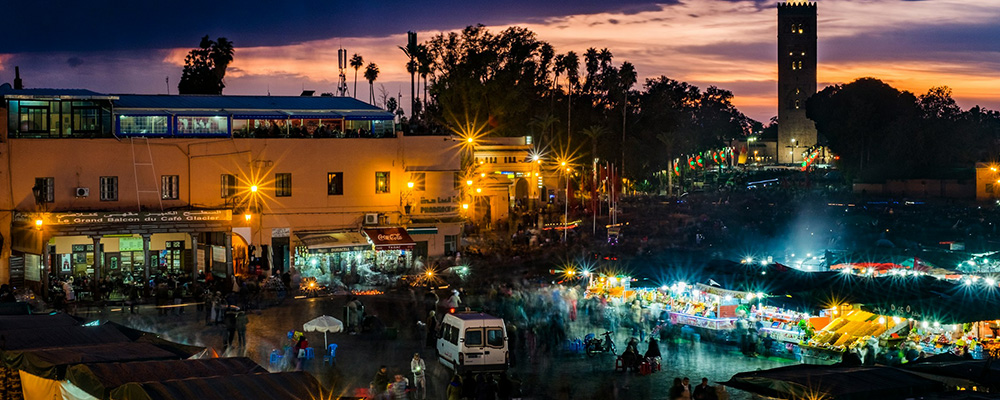
The Medina of Marrakech is the heart of the city and one of the best places to begin a historical tour. This UNESCO World Heritage Site dates back to the 11th century and is a labyrinth of narrow alleys, ancient gates, and bustling souks. Walking through the Medina is like stepping into a living museum. Every corner tells a story, from centuries-old stone carvings to hidden courtyards that have remained unchanged for generations. Guided tours through the Medina often include visits to:
Koutoubia Mosque: Built in the 12th century, this iconic mosque is famous for its towering minaret, intricate carvings, and historical significance in Islamic architecture. While non-Muslims cannot enter, the exterior and surrounding gardens are breathtaking.
Ben Youssef Madrasa: Once the largest Islamic college in North Africa, the madrasa features stunning tile work, carved cedar wood, and peaceful courtyards. It’s a testament to Marrakech’s educational and cultural history.
Bahia Palace: Built in the late 19th century, this palace showcases Moroccan architecture at its finest, with intricate mosaics, delicate stucco, and beautifully landscaped gardens. It reflects the wealth and artistry of the era.
Exploring the Medina with a knowledgeable local guide allows visitors to understand the stories behind each landmark, from historical figures to architectural innovations. Guides often share anecdotes about trade, daily life, and the historical significance of each neighborhood, making the tour both educational and immersive.
Majorelle Garden and Yves Saint Laurent Museum
Although slightly more modern, the Majorelle Garden and the adjacent Yves Saint Laurent Museum provide a glimpse into Marrakech’s historical evolution and its connection to global culture. The garden, created by French painter Jacques Majorelle in the 1920s, was later restored by fashion designer Yves Saint Laurent. Walking through the vibrant gardens, visitors can appreciate how Marrakech’s historical aesthetic blends with contemporary influences. The museum showcases not only Saint Laurent’s work but also exhibits on Moroccan culture, craftsmanship, and textile history, linking the past to the present.
Saadian Tombs: A Journey to the 16th Century
The Saadian Tombs, hidden near the Kasbah Mosque, date back to the reign of Sultan Ahmad al-Mansur in the late 16th century. Rediscovered in 1917, the tombs are known for their exquisite decoration, including intricate mosaics, marble carvings, and ornate stucco. Visiting the Saadian Tombs provides insight into the Saadian dynasty’s wealth, power, and artistic sensibilities. Guided tours explain the significance of each chamber, the historical context of the tombs, and the elaborate symbolism used in Moroccan funerary art.
El Badi Palace: The Glory of a Lost Era
El Badi Palace, now in ruins, was once one of the most magnificent palaces in Marrakech, built in the late 16th century by Sultan Ahmad al-Mansur. The palace’s original grandeur, including gold, marble, and intricate zellij tiles, has mostly disappeared, but the remaining walls and sunken gardens offer a glimpse into its former splendor. Walking through El Badi Palace with a guide helps visitors imagine the scale and luxury of the past, as well as understand the historical conflicts and conquests that shaped Marrakech’s political landscape.
Historical Museums: Immersing in Moroccan Culture
Marrakech boasts several museums dedicated to preserving and showcasing historical and cultural heritage:
Museum of Marrakech: Housed in the 19th-century Dar Menebhi Palace, the museum features Moroccan art, ceramics, jewelry, and textiles. Its architecture reflects traditional Moroccan design, with central courtyards, carved wooden ceilings, and vibrant mosaics.
Photography Museum of Marrakech: Focused on historical and contemporary Moroccan photography, this museum provides a visual journey through Marrakech’s social, cultural, and architectural history. Visitors can see how the city and its people have evolved over time.
Dar Si Said Museum: This museum, located in a former palace, specializes in Moroccan arts and crafts, including carpets, woodwork, and jewelry. It offers cultural context to the historical tours, linking artifacts to their traditional uses and meanings.
Visiting these museums complements walking tours by giving a more structured and curated understanding of Marrakech’s history, offering context that enhances the appreciation of landmarks in the Medina.
Historical Neighborhoods and Riads
Beyond famous landmarks, Marrakech’s historical neighborhoods and riads provide an intimate glimpse into daily life over the centuries. Guided tours often include:
Old Jewish Quarter (Mellah): The Mellah features narrow streets, synagogues, and traditional markets. It highlights the city’s multicultural history and the role of the Jewish community in Marrakech’s trade and culture.
Dar el Bacha and Hidden Riads: Visiting private riads, some open to the public for tours, offers insight into Moroccan domestic architecture, interior design, and lifestyle of historical elites.
Walking through these neighborhoods with a guide allows culture lovers to see how architecture, social structure, and community life evolved over centuries, beyond what is visible in official landmarks.
Culinary History Tours
Food is a fundamental part of culture and history in Marrakech. Historical culinary tours often combine visits to markets, kitchens, and traditional eateries, giving context to Moroccan gastronomy:
Spice Souks: Learn about centuries-old spice trade, the significance of saffron, cumin, and turmeric, and how these spices influenced Moroccan cuisine.
Traditional Moroccan Cooking Classes: Some tours include hands-on cooking in a riad or local kitchen, teaching visitors how to prepare tagines, couscous, and pastries using techniques passed down for generations.
Historic Cafés and Eateries: Sampling traditional dishes in centuries-old establishments offers a sensory connection to the city’s past.
Culinary tours allow visitors to taste history, connecting flavors and recipes to the social and cultural evolution of Marrakech.
Half-Day and Full-Day Historical Tours
Depending on your schedule and interests, Marrakech offers a variety of historical tours:
Half-day tours focus on key sites like the Koutoubia Mosque, Saadian Tombs, and Medina highlights. These are ideal for travelers with limited time who still want a rich historical experience.
Full-day tours allow exploration of more distant historical sites, including El Badi Palace, the Kasbah, Mellah, and select museums. They often include lunch in a traditional riad, providing a full immersion into Marrakech’s past.
Guided tours ensure visitors do not miss important details, anecdotes, and cultural insights that bring the history to life.
Expert Guides: Bringing History to Life
The quality of the guide can make or break a historical tour. Knowledgeable local guides:
Explain historical context, dynasties, and architectural styles.
Share stories and legends associated with landmarks and neighborhoods.
Offer insights into Moroccan customs, traditions, and daily life that are not documented in books.
Many guides also tailor tours for specific interests, whether it’s architecture, Islamic history, artisan craftsmanship, or Moroccan cuisine.
Seasonal Considerations
Historical tours in Marrakech are affected by the climate:
Spring (March–May) and Autumn (September–November): Ideal for walking tours, comfortable temperatures, and vibrant gardens.
Summer (June–August): Tours are possible but often scheduled early morning or late afternoon to avoid midday heat.
Winter (December–February): Cooler weather, fewer tourists, offering a more intimate historical experience.
Timing your tour can enhance comfort and provide a richer, more enjoyable experience.
Custom Historical Tours
For culture lovers seeking deeper immersion, many operators offer customized historical tours:
Extended tours of the Atlas Mountains and surrounding historical villages, exploring Berber architecture and traditions.
Private riad tours with historical storytelling, including visits to family-run artisan workshops.
Combined cultural and culinary experiences, where history is paired with local cuisine, music, and crafts.
Customized tours are particularly valuable for visitors with specific historical interests or limited time, providing flexibility and depth.
Tips for Choosing the Best Historical Tour
1. Check guide credentials: Look for certified guides with historical knowledge and positive reviews.
2. Focus on small groups or private tours: More personal attention and detailed explanations.
3. Combine sites wisely: Avoid cramming too many landmarks in one day; quality over quantity ensures a richer experience.
4. Include interactive experiences: Cooking classes, artisan workshops, and cultural demonstrations make history tangible.
5. Review logistics: Comfortable walking routes, shaded areas, and access to refreshments improve the overall experience.
Conclusion
For culture lovers, Marrakech is an open-air museum waiting to be explored. From the intricate architecture of palaces and mosques to the narrow streets of the Medina, from vibrant souks to serene gardens, historical tours offer an authentic and immersive way to understand the city. By combining landmark visits, museums, culinary experiences, and guided neighborhood walks, visitors can connect deeply with the past, learning not only about Morocco’s rich history but also about its living culture. Whether for a half-day exploration or a full-day immersion, the historical tours of Marrakech provide unforgettable insights and experiences for anyone passionate about culture, art, and heritage.
Book This Tour today and experience the history, culture, and timeless charm of Marrakech firsthand.
WhatsApp Morocco +212614905398