Authentic Argan Oil Shopping
Authentic Argan Oil Shopping Guide: How to Buy the Real Thing in Marrakech (Not the Tourist Trap Version)
Authentic Moroccan argan oil is cold-pressed from the kernels of the argan tree (native only to southwestern Morocco), has a nutty, golden-amber color, and costs roughly 150–350 MAD (about €14–33) for a 250ml bottle of cosmetic-grade oil when bought from a certified women's cooperative. If a souk vendor offers you a "huge deal" for a fraction of that price, it's cut with sunflower or another cheap oil.
I've walked hundreds of visitors through Marrakech's souks and argan cooperatives over the years, and the single most common question I get is: "Is this actually real argan oil?" Below is everything I tell my own guests, laid out so you can shop with confidence — whether you're with a guide or on your own.
My Experience as a Marrakech Guide
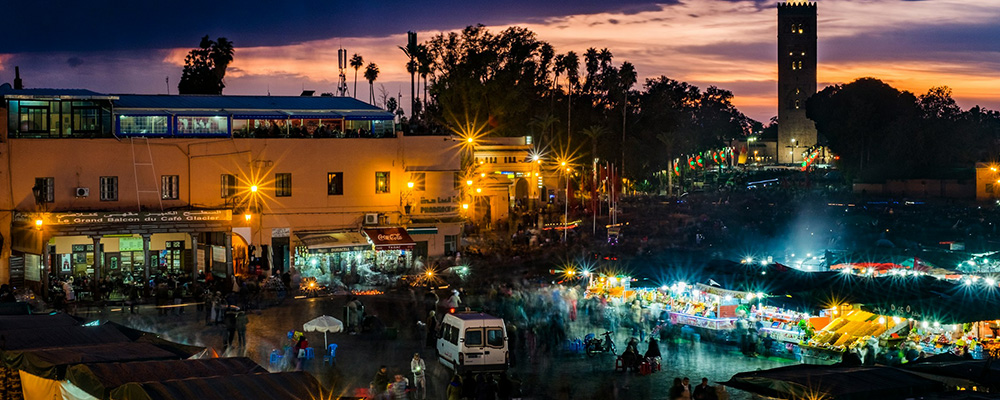
I've been guiding tourists through Marrakech's medina and surrounding areas for years, and argan oil questions come up on almost every tour. I regularly take small groups to women-run cooperatives outside the city, where I've watched the entire process — from cracking the hard argan nuts by hand to the slow stone-grinding and cold-pressing — more times than I can count. I've also seen the other side: souk sellers in the Jemaa el-Fnaa area pushing "argan oil" that's really just perfumed vegetable oil in a pretty bottle. That contrast is exactly why I put this guide together — not as a generic listicle, but as what I actually tell people standing next to me in the medina.
What Makes Argan Oil "Authentic"?
Real Moroccan argan oil comes only from argan trees, which grow almost exclusively in a UNESCO-protected biosphere reserve in southwestern Morocco (mainly around Essaouira and the Souss Valley). Authentic oil is:
Extracted from kernels cracked by hand
Either cold-pressed (cosmetic oil, light and nearly odorless) or made from roasted kernels (culinary oil, darker with a toasted, nutty smell)
Free of added fragrance, synthetic oils, or fillers
Usually produced by women's cooperatives, which is a big part of the product's cultural and economic story
How Can You Tell If Argan Oil Is Fake?
Sign
Authentic Oil
Likely Fake
Smell
Cosmetic oil: mild/nutty. Culinary oil: toasted, roasted smell
Strong perfume smell, or no smell at all
Price (250ml)
150–350 MAD
Under 80 MAD
Texture
Absorbs into skin within minutes, not greasy
Sits on skin, feels like generic vegetable oil
Packaging
Cooperative name, batch info, sometimes a certification label
Generic bottle, no producer info
Seller's answer
Can explain cold-press vs. roasted, cooperative name, region
Vague or changes the subject
A simple test I show my guests: rub a small drop between your fingers. Real cosmetic argan oil disappears into the skin quickly and doesn't leave a heavy, oily film.
Where Should You Buy Argan Oil in Marrakech?
Women's Cooperatives (Best Option)
Cooperatives are the most reliable source because they sell directly, at fixed and fair prices, and the profits support the women who produce the oil. Many are located just outside Marrakech on the road toward Essaouira or Ouirgane, and several also welcome visitors to watch the extraction process.
Why I recommend cooperatives over souk stalls:
Fixed pricing (no aggressive haggling)
You can see the production process
Money goes directly to the women producing it
Lower risk of dilution or fake product
Souks and Medina Shops
Some medina shops do sell genuine oil, but quality varies enormously stall to stall, and haggling is expected. If you buy here, use the fake-detection checklist above and don't be shy about asking where the oil comes from.
Supermarkets (Marjane, Carrefour)
A safe, if less charming, option. Brands sold in Moroccan supermarkets are regulated and reliably authentic, just less of an "experience" than visiting a cooperative.
What Should You Pay? (2026 Price Guide)
Product
Fair Price Range (250ml)
Cosmetic argan oil
150–350 MAD
Culinary (edible) argan oil
120–250 MAD
Argan oil soap/cosmetics blends
30–80 MAD per item
Prices vary with bottle size and packaging, but if a full-size bottle is offered at a fraction of these ranges, treat it as a red flag rather than a bargain.
Frequently Asked Questions
Is argan oil only from Morocco?
Yes. The argan tree grows almost exclusively in southwestern Morocco, and the region has UNESCO Biosphere Reserve protection specifically because of this.
What's the difference between cosmetic and culinary argan oil?
Cosmetic argan oil is pressed from raw, unroasted kernels and used on skin and hair. Culinary argan oil is pressed from roasted kernels, has a nuttier taste, and is used for cooking and dipping bread.
Can I bring argan oil home on a flight?
Yes, but bottles over 100ml need to go in checked luggage due to liquid restrictions in carry-on bags.
Is it rude to negotiate the price of argan oil in the souk?
No — bargaining is normal in souks. Cooperatives, however, usually have fixed prices, so negotiation isn't expected there.
How long does argan oil last once opened?
Around 6–12 months if stored away from direct sunlight and heat.
Final Tip From a Local Guide
If seeing the real production process matters to you, build a cooperative visit into your Marrakech itinerary rather than relying on souk shopping alone — it's the difference between buying a souvenir and understanding what you're actually buying. If you'd like this included as part of a guided day out, feel free to get in touch and I can build it into your itinerary.
WhatsApp Morocco +212 614905398