
Art & Architecture Tours in Marrakech | Palaces and Mosques
Art & Architecture Tours in Marrakech: From Palaces to Mosques
Marrakech is a city where every corner tells a story through intricate patterns, vibrant colors, and centuries-old architecture. From majestic palaces to serene mosques, the city offers a wealth of artistic and architectural wonders that reflect Morocco’s rich history and cultural diversity. Embarking on an art and architecture tour in Marrakech allows visitors to delve into the soul of the city, appreciating the creativity, craftsmanship, and heritage that have shaped its identity. This guide provides an in-depth look at the most remarkable sites, tips for navigating the city, and insights to fully experience Marrakech’s artistic landscape.
Understanding Marrakech’s Architectural Heritage
Marrakech’s architecture is a fusion of Berber, Arab, Andalusian, and French colonial influences. The city’s historical development over centuries has left a remarkable imprint on its buildings, gardens, and public spaces. Traditional Moroccan architecture is characterized by riads with internal courtyards, ornate plasterwork, carved wooden ceilings, zellij tile mosaics, and vibrant colors. Islamic art principles such as geometric patterns, calligraphy, and symmetry dominate religious structures, while palaces and public buildings display lavish decoration and intricate craftsmanship. Appreciating this artistry requires time, observation, and guided explanations that reveal the symbolism behind each design element.
Planning Your Art & Architecture Tour
Effective planning enhances your experience. Begin by identifying sites of interest: palaces, mosques, gardens, and historical monuments. Early morning is ideal for visiting outdoor locations, avoiding crowds and harsh sunlight. Comfortable walking shoes, sun protection, and water are essential. Decide whether you prefer a private guided tour for a personalized experience or a small group tour for shared insights. Professional guides provide context, historical anecdotes, and insider knowledge, making the tour both educational and memorable.
Must-Visit Palaces in Marrakech
Bahia Palace: A 19th-century palace renowned for its exquisite gardens, intricate stucco work, painted ceilings, and spacious courtyards. The palace exemplifies Moroccan craftsmanship and offers a glimpse into the opulent lifestyle of former nobility.
El Badi Palace: Once a grand palace adorned with gold and precious materials, now a captivating ruin where visitors can explore expansive courtyards, subterranean tunnels, and remnants of its former glory. The site also hosts seasonal events and exhibitions.
Royal Palace (Dar el Makhzen): Though non-Muslims cannot enter, the exterior walls, gates, and surrounding areas showcase architectural grandeur and historical significance. Guided explanations provide insights into royal traditions and urban planning in historical Marrakech.
Iconic Mosques to Explore
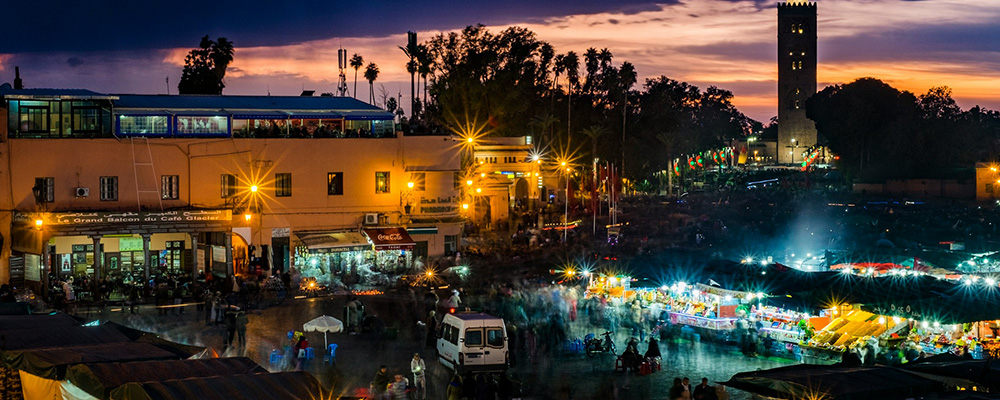
Koutoubia Mosque: The city’s largest mosque, famous for its 77-meter-tall minaret visible from many parts of Marrakech. Though non-Muslims cannot enter, the mosque’s exterior, gardens, and plaza are perfect for appreciation and photography.
Ben Youssef Mosque: Part of the historic Ben Youssef Madrasa complex, this mosque reflects classical Moroccan architecture and serves as a spiritual center within the Medina.
Ali ben Youssef Mosque and Other Hidden Gems: Small neighborhood mosques display understated beauty, intricate geometric patterns, and cultural significance. Guided tours often include visits to these lesser-known locations for a comprehensive experience.
Madrasas and Religious Schools
Visiting madrasas provides insight into the education and religious life of historic Marrakech. The Ben Youssef Madrasa is a highlight, known for its stunning courtyard, detailed tilework, carved cedar wood, and serene atmosphere. These schools were centers of learning for Islamic studies and played a crucial role in shaping Moroccan intellectual life. Guides explain the architectural symbolism, the purpose of various rooms, and the techniques used by artisans.
Gardens and Outdoor Architecture
Marrakech’s gardens are masterpieces of design, combining natural beauty with architectural elegance.
Majorelle Garden: Designed by French painter Jacques Majorelle, the garden features exotic plants, water features, and the iconic cobalt blue structures. It exemplifies harmony between art and nature.
Menara Gardens: Famous for olive groves and the pavilion overlooking a large reflecting pool, offering serene views and insight into historical irrigation techniques.
Secret Gardens and Courtyards: Hidden courtyards in riads showcase traditional Moroccan domestic architecture, with central fountains, tiled floors, and intricately carved woodwork. Guides can arrange visits to private spaces otherwise inaccessible to the public.
Artistic Techniques and Craftsmanship
Understanding the techniques behind Moroccan art enriches any architectural tour. Common elements include:
Zellij: Geometric mosaic tilework found on walls, fountains, and floors, created by skilled artisans using hand-cut pieces.
Stucco and Plaster Carvings: Elaborate decorative motifs often feature arabesques, floral patterns, and calligraphy.
Carved Cedar Wood: Doors, ceilings, and panels display intricate designs demonstrating both technical skill and artistic creativity.
Metalwork and Lanterns: Copper, brass, and silver are used to craft lamps, trays, and decorative pieces, reflecting light and adding ambiance.
Art Museums and Contemporary Spaces
For a modern perspective, Marrakech also offers contemporary art spaces:
Yves Saint Laurent Museum: Exhibits the designer’s work alongside Moroccan-inspired pieces, blending fashion, art, and architecture.
MACMA (Museum of Contemporary Art of Marrakech): Showcases contemporary Moroccan artists and occasional international exhibitions. Visiting museums provides a contrast between traditional and modern artistic expression.
Photography Tips for Architecture Tours
Capturing the beauty of Marrakech’s buildings requires attention to light, perspective, and detail. Early morning and late afternoon offer soft, dramatic lighting. Focus on patterns, textures, and symmetry to highlight intricate details. Wide-angle lenses help capture large courtyards and facades, while zoom lenses reveal delicate carvings. Respect religious spaces and seek permission when photographing people or interiors.
Cultural Etiquette and Respect
Many architectural sites are also religious or historically significant. Observing local customs is essential: dress modestly when visiting mosques, avoid loud behavior, and follow guidance on photography. Showing respect for artisans and caretakers enhances your experience and fosters goodwill.
Customizing Your Art & Architecture Tour
Tours can be tailored to individual interests. History enthusiasts may focus on palaces and museums, while design lovers may prioritize decorative arts and tilework. Private tours offer flexibility in pace, choice of sites, and time spent at each location. Group tours provide shared insights but may limit personalized experiences. An experienced guide can create an itinerary that balances education, aesthetics, and relaxation.
Hidden Gems and Off-the-Beaten-Path Sites
Beyond popular attractions, Marrakech offers lesser-known treasures: secluded courtyards, boutique riads, neighborhood mosques, and small artisan studios. Exploring these hidden gems provides a more intimate understanding of the city’s culture and architecture. Guides with local knowledge can lead you to these spots, providing context and stories that enrich your visit.
Seasonal Considerations
Weather affects how you experience Marrakech’s architecture. Spring and autumn offer moderate temperatures and comfortable outdoor touring conditions. Summer heat makes midday exploration challenging, while winter is cooler and occasionally rainy. Scheduling your tour around seasonal conditions ensures comfort and maximizes enjoyment.
Sustainable and Ethical Touring
Supporting ethical tourism preserves Marrakech’s cultural heritage. Choose guides who respect local communities, support artisans, and avoid contributing to overcrowding or environmental damage. Purchasing handcrafted souvenirs directly from artisans sustains traditional practices and promotes responsible tourism.
Conclusion
An art and architecture tour in Marrakech offers an immersive journey through centuries of Moroccan creativity and heritage. From majestic palaces to serene mosques, hidden courtyards, and vibrant gardens, the city’s artistic and architectural treasures reveal its rich cultural tapestry. Guided tours provide insight, context, and access to both famous landmarks and secret gems, ensuring a comprehensive and memorable experience. By understanding craftsmanship, respecting traditions, and embracing the city’s beauty, visitors gain a deep appreciation of Marrakech’s soul.
WhatsApp Morocco +212614905398